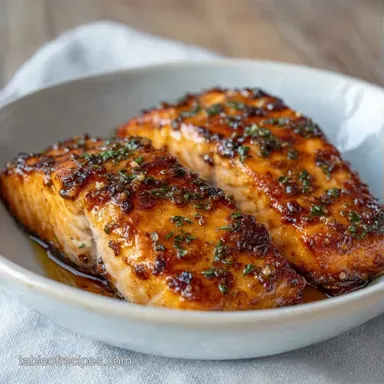
Top Rated Baked Salmon: Honey Butter Glazed
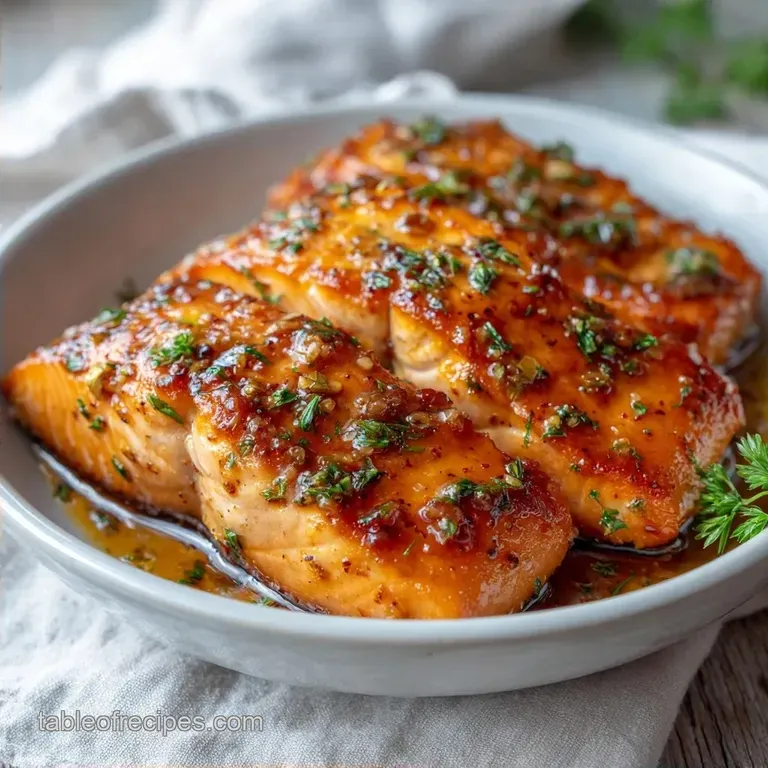
- Time: 5 min active + 15 min bake
- Flavor/Texture Hook: Sticky, sweet savory glaze with a velvety center
- Perfect for: Weeknight dinners for busy pros or a low effort date night
- Top Rated Baked Salmon
- Why This Result Works
- Component Analysis
- The Ingredient List
- Gear For Success
- Precise Cooking Steps
- Common Pitfalls Fixed
- Troubleshooting Common Issues
- Flexible Ingredient Swaps
- Adjusting Portion Sizes
- Common Kitchen Myths
- Fresh Storage Tips
- Best Serving Ideas
- Recipe FAQs
- 📝 Recipe Card
The scent of cedar smoke and salt air always takes me back to the Pacific Northwest. I remember these massive community feasts where salmon was the center of everything, usually grilled over open pits. There's something about that coastal tradition that makes you realize salmon isn't just a protein, it's a centerpiece.
It’s about that balance of fatty richness and bright acidity that cuts right through.
I spent years trying to mimic that richness in my own small kitchen without the fancy gear. I found that the secret isn't in the equipment, but in the heat management and a bit of sugar. This Top Rated Baked Salmon brings that same coastal energy to a standard baking sheet.
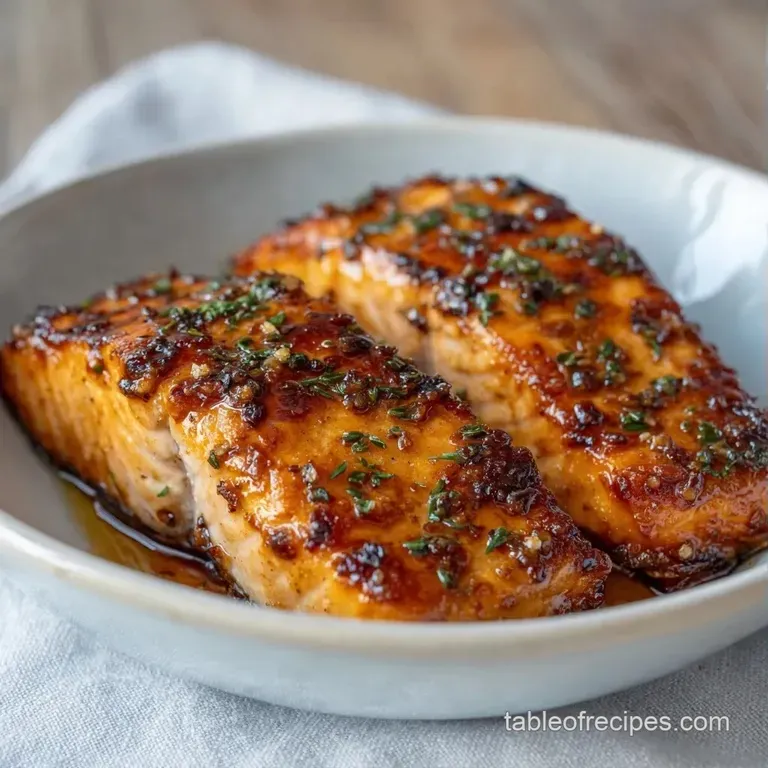
You can expect a fillet that's flaky and moist, topped with a glaze that actually sticks to the fish instead of sliding off into a puddle. It's fast, efficient, and doesn't leave you with a mountain of dishes.
Top Rated Baked Salmon
When you're staring at a piece of fish and worrying about overcooking it, the stress is real. We've all had that experience where the salmon turns into a dry, chalky block of protein. The trick here is using a high temperature for a short window.
By hitting it at 400°F, we get the edges to sizzle while the center stays tender.
Most people make the mistake of cooking salmon until it "looks done." By then, it's usually overdone. If you use a meat thermometer, you'll see that the fish continues to cook after it leaves the oven. This carryover heat is what actually finishes the job.
For those who prefer a different approach to moisture, you might like my parchment paper method, which steams the fish. But for this version, we want that slightly caramelized exterior that only a direct sheet pan bake can provide.
Why This Result Works
- Sugar Caramelization: Honey browns quickly at 400°F, creating a sticky barrier that prevents the fish from drying out.
- Fat Buffer: The melted butter carries the garlic and oregano flavors deep into the flesh while keeping the surface velvety.
- Acidic Balance: Lemon juice breaks down the heavy fats of the salmon, making the flavor feel light rather than greasy.
- Carryover Cooking: Pulling the fish at 135°F allows the internal temperature to glide up to 145°F without tightening the protein fibers.
The difference between a good fillet and a great one often comes down to the cooking method. Many people debate whether to sear first or just bake.
| Method | Time | Texture | Best For |
|---|---|---|---|
| Oven Bake | 15 mins | Uniform, tender | Large batches, low effort |
| Stovetop Sear | 8-10 mins | Crispy skin, varied center | Single fillets, skin on |
| Poaching | 12 mins | Soft, buttery | Salads, delicate plating |
Component Analysis
| Ingredient | Science Role | Pro Secret |
|---|---|---|
| Salmon Fillet | Main Protein | Pat bone dry to avoid steaming |
| Honey | Maillard catalyst | Use a light honey for subtle sweetness |
| Unsalted Butter | Emulsifier | Melt slowly to avoid separating |
| Lemon Juice | pH Balancer | Add at the end of mixing to keep zest bright |
The Ingredient List
- 4 (6 oz / 170g) salmon fillets Why this? Individual portions cook more evenly than one large side
- 1/2 tsp (3g) kosher salt Why this? Larger grains are easier to distribute evenly
- 1/4 tsp (1g) cracked black pepper Why this? Freshly cracked adds a floral heat
- 3 tbsp (42g) unsalted butter, melted Why this? Provides the fat needed for the glaze to cling
- 1 tbsp (21g) honey Why this? Creates the sticky, golden crust
- 2 cloves (6g) garlic, minced Why this? Pungency that balances the honey
- 1 tbsp (15ml) fresh lemon juice Why this? Cuts through the salmon's oil
- 1 tsp (2g) dried oregano Why this? Earthy note that prevents it from being too sweet
If you're out of honey, maple syrup works just as well, though it adds a more woody flavor. For the butter, you can use ghee if you want a higher smoke point and a nuttier taste.
Gear For Success
You don't need a professional kitchen for this, but a few things make it easier. A large rimmed baking sheet is a must so the glaze doesn't drip onto your oven floor and cause smoke. I always use parchment paper because it makes cleanup a five second job.
A digital meat thermometer is the only "non negotiable" tool. According to USDA Food Safety guidelines, fish is safe at 145°F, but reaching that number inside the oven means you've overcooked the exterior. You need to track the temp in real time.
Finally, use a small whisk or a fork for the glaze. You want the honey and butter to be fully integrated so one fillet doesn't end up with all the garlic and another with just butter.
Precise Cooking Steps
- Preheat the oven to 400°F (200°C) and line a large rimmed baking sheet with parchment paper.
- Pat the salmon fillets completely dry with paper towels. Note: Moisture on the surface creates steam, which stops the glaze from sticking.
- In a small mixing bowl, whisk together the melted butter, honey, minced garlic, lemon juice, and dried oregano.
- Place salmon fillets on the prepared baking sheet and season both sides with salt and black pepper.
- Spoon the honey butter glaze generously over each fillet, rubbing it into the sides. Top each fillet with a thin lemon slice.
- Bake on the center rack for 12–15 minutes until the glaze is bubbling and the fish is opaque.
- Use a thermometer to check the thickest part; remove when it hits 135°F (57°C).
- Remove from oven and let the salmon rest for 5 minutes until the internal temperature rises to 145°F (63°C).
Chef Note: If you see a white substance leaking out of the salmon, don't panic. That's just albumin, a protein that pushes out when the muscle fibers contract. It's harmless, but pulling the fish a few degrees earlier usually prevents it.
Common Pitfalls Fixed
Troubleshooting Common Issues
| Issue | Solution |
|---|---|
| Why Your Salmon Is Dry | This usually happens because the fish stayed in the oven too long. Salmon is lean in some areas and fatty in others, so the window between "perfect" and "cardboard" is tiny. Always pull at 135°F. |
| Why the Glaze Is Runny | If the glaze doesn't thicken, it's often because the oven wasn't fully preheated. The honey needs that immediate blast of heat to caramelize and grip the fish. |
| Why the Fish Sticks | Using a non rimmed pan or skipping the parchment paper is the culprit here. The sugars in the honey act like glue if they hit bare metal. |
Quick Success Checklist:
- ✓ Fillets patted bone dry
- ✓ Oven fully preheated to 400°F
- ✓ Temperature checked at the thickest point
- ✓ Rested for 5 minutes before serving
Flexible Ingredient Swaps
Since this is a Top Rated Baked Salmon recipe, it's designed to be a base. You can tweak the flavors without ruining the chemistry.
| Original Ingredient | Substitute | Why It Works |
|---|---|---|
| Honey (1 tbsp) | Maple Syrup (1 tbsp) | Similar sugar profile. Note: Adds a deeper, autumnal flavor |
| Dried Oregano (1 tsp) | Dried Dill (1 tsp) | Traditional pairing. Note: Tastes more "classic" and bright |
| Unsalted Butter (3 tbsp) | Olive Oil (3 tbsp) | Good fat source. Note: Less creamy, slightly less browning |
| Lemon Juice (1 tbsp) | Lime Juice (1 tbsp) | Similar acidity. Note: Gives it a zestier, more tropical vibe |
For a low carb or keto version, replace the honey with a monk fruit sweetener or a touch of allulose. Just be aware that sugar-free alternatives don't caramelize the same way, so you won't get that sticky crust.
Adjusting Portion Sizes
If you're cooking for a crowd or just yourself, you can't just multiply everything linearly.
Scaling Down (1-2 Fillets): Use a smaller baking sheet to keep the heat concentrated. Reduce the bake time by about 20%, but still rely on the thermometer. If you're using a half egg as a binder in other recipes, beat it first, but here, just halve the glaze.
Scaling Up (8+ Fillets): Don't crowd the pan. If the fillets are touching, they'll steam instead of roast. Work in batches or use two separate sheets. Only increase the salt and spices to 1.5x instead of 2x to avoid over seasoning.
If you need more ideas for high protein meals, check out my baked salmon recipe for a slightly different flavor profile.
Common Kitchen Myths
"Searing seals in the juices." This is a total myth. Searing creates a crust for flavor, but it doesn't create a waterproof seal. Moisture loss happens regardless of how you start the cook. The real key to moisture is the final internal temperature.
"Frozen salmon is lower quality." Actually, most "fresh" salmon at the store was frozen on the boat. The key is the flash freezing process. Just make sure you thaw it completely in the fridge before baking to ensure even heat distribution.
Fresh Storage Tips
Fridge Storage: Store leftover fillets in an airtight container for up to 3 days. To keep them from drying out, place a damp paper towel over the fish before sealing the lid.
Freezing: I don't recommend freezing already cooked salmon, as the texture becomes mushy. If you must, wrap them tightly in foil and freeze for up to 2 months.
Zero Waste Tips: Don't toss the lemon rinds! Zest them into your sugar for lemon sugar, or toss them into a jar of vinegar for a quick cleaning solution. If you have salmon scraps or skin, fry them in a pan with a bit of oil until they shatter they make an incredible salty garnish for salads.
Best Serving Ideas
This Top Rated Baked Salmon needs a side that can handle the sweetness of the honey. I love pairing it with something bitter or earthy to balance the plate.
The Fresh & Green Pairing: Roasted asparagus or sautéed spinach works best. The slight bitterness of the greens cuts through the buttery glaze. Toss them in the same oven for the last 8 minutes of the salmon's cook time for maximum efficiency.
The Hearty Comfort Pairing: If you want something filling, go with a wild rice blend or a quinoa salad. The nuttiness of the grains complements the richness of the fish. A side of garlicky mashed cauliflower is also a great low carb option that keeps the meal feeling fancy.
Recipe FAQs
How do you cook salmon in the oven?
Preheat your oven to 400°F (200°C) and line a baking sheet with parchment paper. Bake the fillets for 12 15 minutes until the internal temperature reaches 135°F.
How do I keep salmon moist when baking?
Pull the fish from the oven at 135°F. Resting the salmon allows carryover cooking to bring it to 145°F without overcooking the lean areas.
How can I cook salmon cheaply and easily?
Use a single baking sheet and basic pantry staples. Season fillets with salt and pepper, then glaze with honey, butter, garlic, lemon, and oregano for a fast, affordable meal.
Can I make this baked salmon without lemon?
Yes, you can omit the lemon juice and slices. The honey, butter, and garlic provide a rich flavor profile similar to our honey garlic version.
How do I bake salmon steaks in the oven?
Follow the same 400°F temperature and glaze method. Since steaks can be thicker than fillets, use a meat thermometer to ensure the center reaches 135°F.
What is the simplest way to bake delicious salmon?
Coat fillets in a honey butter glaze and bake for 12-15 minutes. This creates a caramelized crust while keeping the fish tender.
How do I cook a salmon fillet in the oven?
Pat the fillet completely dry with paper towels before seasoning. Removing surface moisture ensures the glaze grips the fish and prevents steaming.
Top Rated Baked Salmon