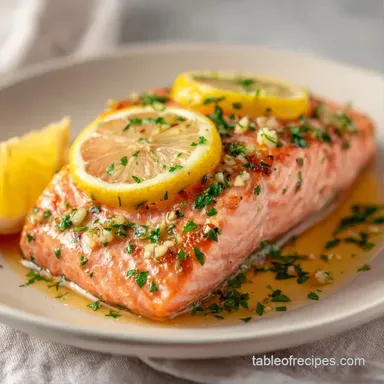
Parchment Paper Baked Salmon: Foolproof and Moist
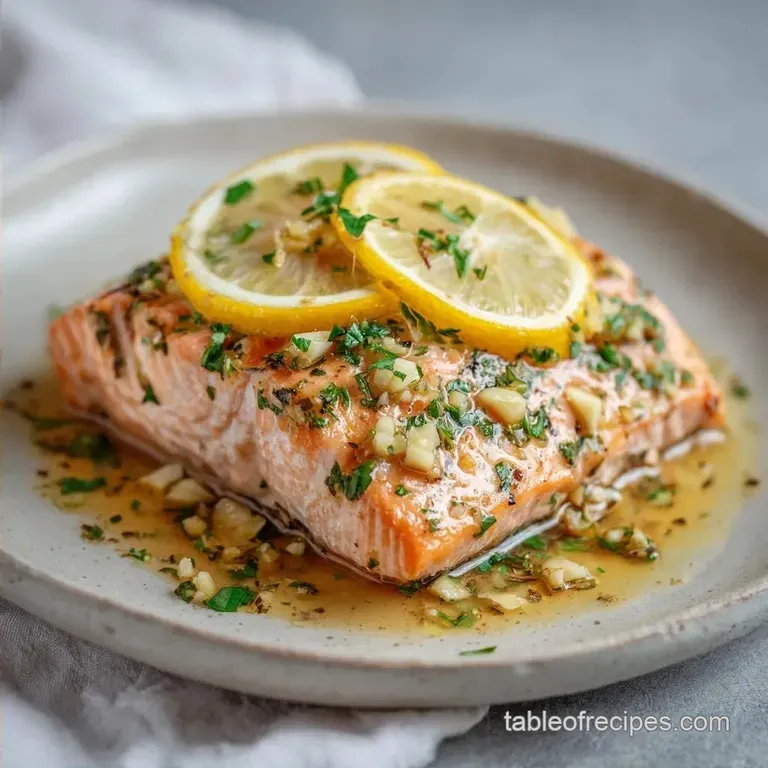
- Time: 10 min active + 15 min baking
- Flavor/Texture Hook: Velvety, buttery flakes with a bright citrus punch
- Perfect for: Busy weeknights or a healthy, zero cleanup date night
- Parchment Paper Baked Salmon
- The Steam Pouch Magic
- Ingredient Component Analysis
- Pantry and Produce List
- Essential Kitchen Tools
- Step by Step Flow
- Avoiding Common Errors
- Troubleshooting Common Issues
- Adjusting the Batch Size
- Salmon Cooking Truths
- Storage and Waste Tips
- Best Side Pairings
- Recipe FAQs
- 📝 Recipe Card
The first time I tried this, I was terrified the paper would catch fire. I remember the smell of the oven warming up and that slight panic when I saw the parchment start to puff up like a little balloon.
I thought, "Great, I've just made a fish flavored bomb," but when I finally snipped the seal, the aroma of garlic and lemon hit me like a wave. It was the most tender piece of fish I'd ever made at home.
Most of us are used to searing salmon in a pan, which is great for the crust, but one minute too long and you've got a piece of rubbery cardboard. This method is different. It's about gentle heat and trapped steam.
It turns the fish into something silky and tender, almost like it was poached, but with the depth of an oven bake.
You can expect a meal that takes almost no effort to clean up. Since the fish, the oil, and the lemon all stay inside their own little pouches, your baking sheet stays spotless. This is the go to move for anyone who hates scrubbing pans after a long day at work.
Parchment Paper Baked Salmon
The real hero of this dish isn't actually the fish, but the parchment paper. Most people treat paper as just a non stick liner, but here it acts as a pressurized cooking vessel. By folding it into a tight seal, you're creating a micro environment where the salmon cooks in its own juices and the aromatic steam from the lemon and garlic.
If you used foil, you'd get a similar effect, but parchment allows the heat to circulate more evenly and doesn't react with the acidic lemon juice the way some foils can.
I once tried substituting the parchment with a standard baking dish, and the difference was night and day. Without the seal, the moisture evaporated into the oven, leaving the top of the fillets slightly dry. The parchment keeps everything velvety.
It's the difference between a dry piece of protein and something that literally melts in your mouth.
Right then, let's get into why this actually works and how to make sure your packets don't leak. Trust me on this, the seal is everything.
The Steam Pouch Magic
Understanding the "how" makes you a better cook. Here is why this specific method produces such a different result than a standard tray bake.
- Moisture Trapping
- The sealed parchment prevents water vapor from escaping, effectively steaming the fish in its own juices.
- Aromatic Infusion
- Because the steam can't leave, the garlic and lemon oils are forced back into the flesh of the salmon.
- Gentle Heat Transfer
- The paper acts as a buffer, preventing the direct, harsh heat of the pan from overcooking the bottom of the fillet.
- Protective Bedding
- The baby spinach creates a physical barrier that keeps the fish from sticking and adds a layer of moisture.
| Method | Time | Texture | Best For |
|---|---|---|---|
| Parchment Pouch | 15 mins | Velvety & Moist | Quick weeknights |
| Pan Sear | 10 mins | Crispy Skin | Restaurant style |
| Oven Roast | 20 mins | Firm & Flaky | Large batches |
Ingredient Component Analysis
Not every ingredient is just for flavor; some are there to do a specific job in the pouch.
| Ingredient | Science Role | Pro Secret |
|---|---|---|
| Olive Oil | Heat Conductor | Rub it in well to prevent the garlic from burning |
| Lemon Slices | Acidic Tenderizer | Keep slices thin for faster flavor release |
| Baby Spinach | Moisture Base | Use a handful to lift the fish off the paper |
| Garlic | Flavor Volatiles | Mince finely so it distributes evenly in the steam |
Pantry and Produce List
I've kept this list lean because efficiency is the goal. Don't bother with fancy salts or oils; the quality of the salmon does the heavy lifting here.
- 4 salmon fillets (6 oz / 170g each) Why this? Standard size for even 15 minute cooking
- 2 tbsp olive oil Why this? High smoke point and neutral flavor
- 1/2 tsp kosher salt Why this? Larger grains for better surface seasoning
- 1/4 tsp cracked black pepper Why this? Coarse grind adds a sharp bite
- 1 large lemon, thinly sliced into rounds Why this? Provides both acidity and a visual garnish
- 4 cloves garlic, minced Why this? Fresh is non negotiable for that pungent aroma
- 2 tbsp fresh parsley, chopped Why this? Adds a bright, grassy finish
- 1 cup baby spinach Why this? Wilts quickly and absorbs the fish juices
For substitutions, if you're out of spinach, kale works but needs a bit more oil. If you don't have fresh parsley, a pinch of dried dill is a solid alternative that fits the salmon profile.
Essential Kitchen Tools
You don't need a professional setup for this, just a few basics.
- Parchment paper (precut 12" x 12" squares are the easiest)
- Large rimmed baking sheet (the rim prevents any accidental leaks from hitting your oven floor)
- Sharp knife and cutting board
- Small mixing bowl for the garlic and oil rub
Chef's Note: If you can't find parchment paper, you can use aluminum foil, but avoid letting the lemon slices touch the foil directly for long periods, as the acid can sometimes cause the foil to break down and leave a metallic taste.
Step by step Flow
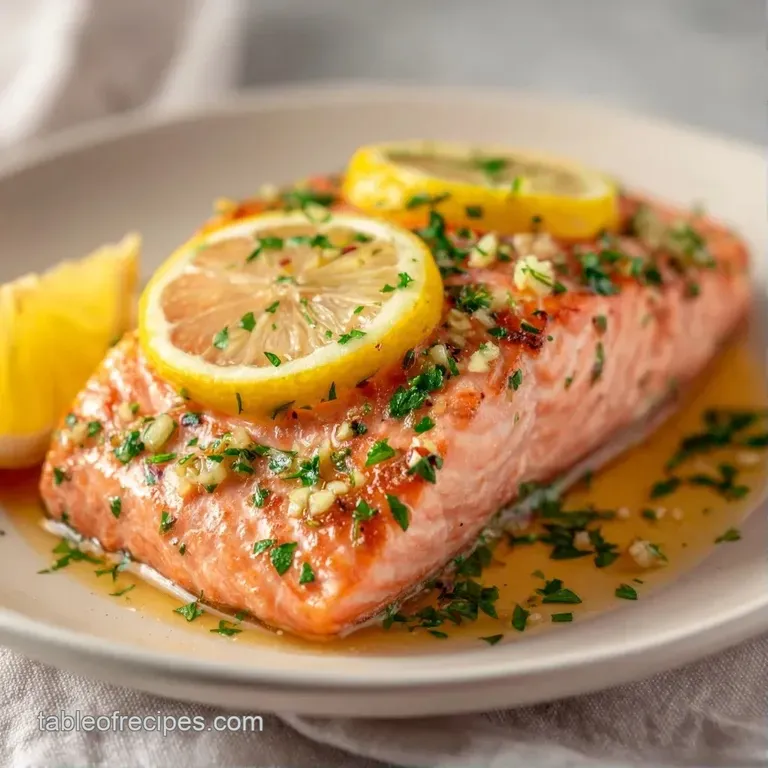
Let's crack on. The key to this Parchment Paper Baked Salmon recipe is the "fold and crimp" technique. If you leave a gap, the steam escapes and you lose the magic.
1. Preparing the Packet
Place a bed of baby spinach in the center of four 12" x 12" parchment paper squares. Set one salmon fillet on top of the spinach in each square. Note: The spinach prevents the fish from sticking to the paper.
2. Seasoning the Fish
Drizzle each fillet with olive oil. Rub the minced garlic, salt, and pepper directly onto the flesh. Note: Rubbing the garlic in ensures it doesn't just sit on top and burn.
3. Adding Aromatics
Top each fillet with two lemon slices and a sprinkle of chopped parsley. Ensure the lemon is pressed slightly into the fish.
4. Sealing the Steam Chamber
Fold the parchment paper over the fish to create a half moon shape. Twist and crimp the edges tightly to create a secure seal that prevents steam from escaping. Note: This is the most important step for moisture.
5. The Oven Bake
Place the packets on a large rimmed baking sheet. Bake at 375°F (190°C) for 12–15 minutes until the parchment is puffed and the fish feels firm but gives slightly when pressed.
6. The Final Rest
Remove from the oven and let the packets rest for 2–3 minutes before opening. Note: This allows the internal temperature to stabilize so you don't overcook the fish while eating.
Avoiding Common Errors
The most common issue people have with this recipe is either "leaky pouches" or "rubbery fish." Both are easy to fix if you know what to look for.
Troubleshooting Common Issues
| Issue | Solution |
|---|---|
| Why Your Salmon Is Dry | Overcooking is the enemy. Because the fish is steamed, it doesn't change color as drastically as a seared fillet. If you leave it in for 20 minutes, you've gone too far. |
| Why Your Pouch Leaked | If you don't crimp the edges like a giant dumpling, the steam will blow the seal open. Use small, tight folds. |
| Why the Garlic Tastes Bitter | This happens if the garlic is too chunky and sits directly on the paper where it hits the hottest point. Mince it into a paste or mix it with the oil before rubbing it on the fish. |
Mistakes Checklist:
- ✓ Checked that the oven is fully preheated to 375°F before sliding the tray in.
- ✓ Ensured the parchment seal is airtight with no visible gaps.
- ✓ Used fresh garlic instead of the jarred stuff for a cleaner flavor.
- ✓ Let the fish rest for 3 minutes to avoid "carryover" overcooking.
- ✓ Sliced lemons thin enough to steam through.
Adjusting the Batch Size
Scaling this recipe is straightforward because each fillet is in its own "pod." You don't have to worry about the fish crowding the pan and steaming each other.
Cooking for Two (Downscaling): Use two 12" x 12" squares. You can use the same oven temperature, but keep a close eye on the timer. Since there is less mass in the oven, they might be done 1-2 minutes faster. Reduce the garlic and parsley by half.
Cooking for a Crowd (Upscaling): If you're making 8 fillets, work in batches or use two separate baking sheets. Do not crowd the packets too tightly, or the airflow will be blocked, and the centers won't cook. Keep the salt and spices to about 1.5x rather than 2x to avoid over salting.
If you're using two trays, rotate them halfway through the 15 minute cook time.
| If you want... | Do this... |
|---|---|
| Extra Veggies | Add thin carrots or zucchini under the spinach |
| More Intensity | Double the garlic and add a pinch of paprika |
| Lower Calories | Swap olive oil for a light spray of avocado oil |
Salmon Cooking Truths
There are a few things people say about fish that just aren't true. Let's clear those up.
The "Seal In" Myth: You'll hear that searing salmon "seals in the juices." It doesn't. Searing creates flavor and texture, but the moisture loss is actually higher in a pan than in a pouch. The moisture in this recipe stays because of the physical barrier of the paper.
The "Room Temp" Myth: Some say you must let salmon reach room temperature before cooking. For a thick steak, maybe. For a 6oz fillet in a steam pouch, it's not necessary. The steam environment is efficient enough to cook it through without the center staying cold.
Storage and Waste Tips
Parchment Paper Baked Salmon is best eaten immediately, but it handles leftovers well if you're careful.
Fridge and Freezer: Store leftovers in an airtight container for up to 3 days in the fridge. I don't recommend freezing cooked salmon, as the texture becomes mealy.
If you want to freeze it, freeze the raw seasoned fillets in their parchment pouches and bake them directly from frozen (just add 5-7 minutes to the cook time).
Zero Waste Hacks: Don't toss the leftover lemon halves! Squeeze them into your pasta or over a salad. The baby spinach that didn't wilt completely can be tossed into a morning smoothie. If you have parchment scraps, use them to line your cookie sheet for the next batch of treats.
For those who enjoy this style of cooking, you might also like my Pan Salmon with Asparagus recipe for a more roasted finish, or try the Pan Salmon with Potatoes recipe if you need a heartier meal.
Best Side Pairings
Since the salmon is light and citrusy, you want sides that either complement the brightness or provide a creamy contrast.
The Fresh Route: A simple quinoa salad with cucumber, feta, and a splash of red wine vinegar works wonders. The grains soak up any extra lemon garlic butter that leaks from the pouch.
The Comfort Route: Roasted baby potatoes or a side of wild rice. The earthy tones of the rice balance the sharp acidity of the lemon.
The Green Route: While there is spinach in the pouch, a side of steamed broccolini or sautéed snap peas adds a necessary crunch to the meal, since the fish and spinach are both very soft.
When you finally open that packet and see the steam rise, you'll realize why this is the most efficient way to eat healthy. It's fast, it's clean, and it's virtually impossible to mess up as long as you keep that seal tight. Enjoy!
Recipe FAQs
Should you use parchment paper when baking salmon?
Yes, it is highly recommended. Parchment creates a sealed environment that traps steam, ensuring the fish stays moist and making cleanup effortless.
Is it better to bake fish on parchment paper or foil?
Parchment paper is superior for steaming. While foil works, parchment allows for a more controlled steam release and prevents the fish from sticking without needing excess oil.
How do you cook salmon in the oven using this method?
Place fillets on baby spinach inside parchment squares. Season with olive oil, garlic, salt, pepper, lemon, and parsley, then seal the pouches and bake at 375°F for 12 15 minutes.
Is it true that baking salmon at 400°F or 425°F ensures better tenderness?
No, this is a common misconception. Baking at 375°F provides a gentler heat that prevents the proteins from tightening too quickly, which keeps the fillet tender.
How do you cook salmon cheaply and easily?
Use a simple parchment pouch technique. This method requires minimal ingredients just oil, salt, pepper, and lemon and eliminates the need for expensive cookware or complex prep.
What are some good salmon recipes without lemon?
Try a salt and pepper seasoning. For a minimalist approach, our salt and pepper salmon removes the acidity while keeping the natural flavor of the fish.
Why did my baked salmon turn out dry?
You likely overcooked it. Because steamed fish doesn't change color as drastically as a seared fillet, leaving it in the oven for 20 minutes or more will dry it out.
Parchment Paper Baked Salmon