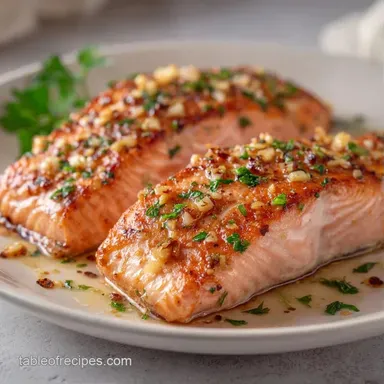
Oven Roasted Salmon Fillet: Moist and Silky
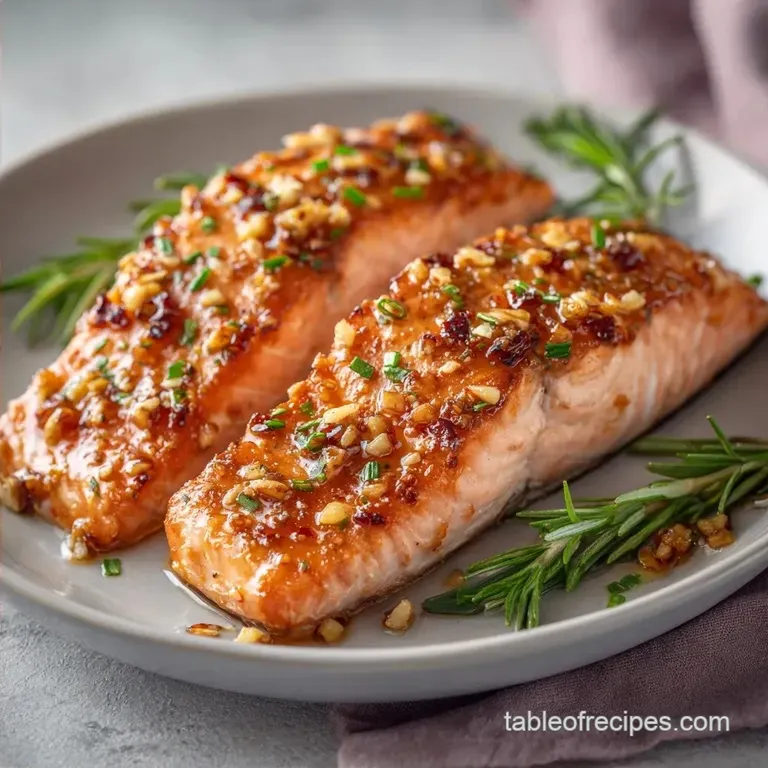
- Time: 10 min active + 15 min roasting
- Flavor/Texture Hook: Velvety center with a buttery, garlicky crust
- Perfect for: Busy weeknight dinners or a low stress date night
- Oven Roasted Salmon Fillet
- The Secret to Silky Fish
- Recipe Specs
- Essential Kitchen Tools
- Step-by-Step Cooking Guide
- Fixing Common Salmon Issues
- Troubleshooting Common Issues
- Flavor Twists and Swaps
- Decision Shortcut
- Scaling Your Batch
- Fish Facts and Myths
- Storage and Waste Tips
- Plating for the Wow
- Critical Sodium Level
- Recipe FAQs
- 📝 Recipe Card
That sound of the fish hitting the parchment paper, followed by the smell of garlic and lemon hitting a 400°F oven, is my favorite part of the week. I remember one Tuesday where I had exactly 30 minutes to get dinner on the table before a Zoom call.
I was terrified of overcooking the fish which usually turns salmon into a piece of dry cardboard but I decided to trust the thermometer.
The result was the first time I actually felt like I knew what I was doing in the kitchen. The salmon was opaque pink and just barely flaking apart. It’s the kind of meal that makes you feel like a pro without actually requiring any professional skills.
If you've struggled with salmon in the past, it's probably not your fault. Most recipes are too vague about timing. This oven roasted Salmon Fillet approach is all about precision and speed, giving you a moist result every single time without the stress of flipping fillets in a pan.
Oven roasted Salmon Fillet
When you're roasting fish, the biggest enemy is carryover cooking. Salmon keeps cooking for several minutes after you pull it out of the oven. If you wait until it "looks done," you've already overcooked it. The secret is pulling it at 130°F and letting the residual heat do the final work.
According to the guides at Serious Eats, internal temperature is the only way to guarantee consistency. I’ve stopped relying on "fork flaking" because every fillet has a different thickness. A thermometer doesn't lie.
This recipe is built for efficiency. We use a mix of butter and oil because butter provides that rich, nutty flavor, but oil has a higher smoke point, which helps the fish brown without burning the garlic. It's a simple trick that makes the crust taste better.
The Logic Behind the Method
- High Heat: 400°F creates a fast sear on the outside, locking in moisture before the middle gets too hot.
- Surface Dryness: Moisture on the skin creates steam, which makes the fish boil instead of roast.
- Fat Buffer: The butter oil coating prevents the protein from sticking to the pan and protects the delicate flesh.
- Controlled Rest: A 5 minute rest allows the fibers to relax, ensuring the juices stay in the fish rather than running all over your plate.
| Method | Time | Texture | Best For |
|---|---|---|---|
| Oven Roast | 15 min | Uniform & Silky | Large batches, low effort |
| Stovetop | 8 min | Crispy Skin/Sear | Single fillets, high control |
| Poached | 12 min | Soft & Tender | low-fat diets, delicate flavor |
The Secret to Silky Fish
Before we get to the ingredients, let's look at what's actually happening in the pan. Most people just throw the fish in and hope for the best, but there are a few "invisible" things making this work.
Component Analysis
| Ingredient | Science Role | Pro Secret |
|---|---|---|
| Unsalted Butter | Flavor/Browning | Use melted butter for even coverage |
| Lemon Juice | Acid Balance | Cuts through the fatty omega-3s |
| Kosher Salt | Protein Bind | Draw out surface moisture for a better crust |
| Garlic | Aromatic | Mince finely so it doesn't burn at 400°F |
Right then, let's talk about the fish itself. I prefer skin on fillets. Even if you don't like eating the skin, it acts as a heat shield for the bottom of the fillet, keeping the flesh from overcooking while the top gets that golden glow.
Recipe Specs
For this recipe, we are focusing on a fast prep flow. You want everything ready to go before the oven hits temperature.
The Arsenal
- 4 salmon fillets, 6 oz each, skin on
- 2 tbsp unsalted butter, melted
- 1 tbsp extra virgin olive oil
- 3 cloves garlic, minced
- 1 tsp kosher salt
- 1/2 tsp freshly cracked black pepper
- 1 medium lemon (half sliced into rounds, half juiced)
- 1 tbsp fresh parsley, chopped
Quick Substitutes
| Original Ingredient | Substitute | Why It Works |
|---|---|---|
| Unsalted Butter | Ghee or Coconut Oil | Similar fat content. Note: Coconut oil adds a slight sweetness |
| Lemon Juice | Lime Juice | Similar acidity. Note: Shifts the flavor profile toward Mexican/Thai |
| Fresh Parsley | Fresh Dill | Complementary herb. Note: Dill is a classic pairing for salmon |
| Kosher Salt | Sea Salt | Works identically. Note: Use slightly less if using fine table salt |
Honestly, don't even bother with low-fat butter substitutes here. The fat is what carries the garlic flavor into the fish. If you're avoiding dairy, just use a bit more olive oil, but the butter really does make it feel like a treat.
Essential Kitchen Tools
You don't need a professional kitchen for this, but a few tools make it way faster. I use a rimmed baking sheet the rim is important so the butter doesn't drip into your oven and start a grease fire.
Parchment paper is non negotiable. I've had salmon stick to "non stick" pans before, and trying to scrape a fillet off a tray is a great way to ruin dinner. Parchment ensures the oven roasted Salmon Fillet slides right off.
Finally, get an instant read digital thermometer. It's the only way to stop guessing. If you don't have one, you're playing a dangerous game with your dinner.
Step-by-step Cooking Guide
Let's crack on. Follow these steps exactly to avoid the "dry fish" trap.
- Preheat your oven to 400°F (200°C) and line a baking sheet with parchment paper. Note: Preheating is key for that initial sear.
- Pat the salmon fillets bone dry on all sides with paper towels. until the surface feels tacky, not wet.
- Place fillets skin side down on the prepared baking sheet.
- In a small bowl, whisk together the melted butter, olive oil, minced garlic, lemon juice, salt, and pepper.
- Brush the garlic butter mixture generously over the top and sides of each fillet.
- Place one lemon slice on top of each piece of fish. Note: This protects the top from drying out.
- Roast in the center rack of the oven for 12 to 15 minutes until the fish is opaque pink.
- Pull the tray out when a thermometer hits 130°F-135°F (54°C-57°C) in the thickest part.
- Transfer the fillets to a plate and let them rest for 5 minutes. Note: This lets the juices redistribute.
- Garnish with chopped fresh parsley and serve immediately.
Fixing Common Salmon Issues
Even with a plan, things can go sideways. Usually, it's a temperature or moisture issue.
Troubleshooting Common Issues
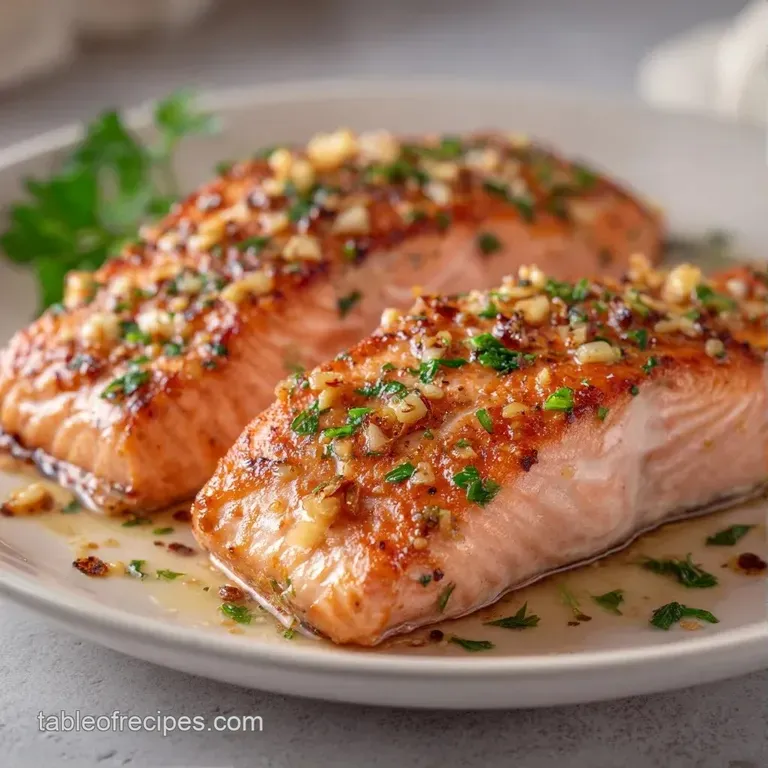
| Issue | Solution |
|---|---|
| Why Your Salmon Is Dry | Overcooking is the number one killer. If you leave the fish in until it reaches 145°F in the oven, carryover cooking will push it to 150°F+, which is far too high. Always pull it early. |
| Why There Is White Stuff on Your Fish | That white substance is called albumin. It's just a protein that squeezes out of the muscle when it cooks too fast or too hot. |
| Why the Fillets Stick to the Pan | This happens if the pan wasn't greased or if you didn't use parchment. If you're not using parchment, make sure you brush the pan itself with oil, not just the fish. |
Common Mistakes Checklist
- ✓ Pat skin dry with paper towels before oiling
- ✓ Use the center rack for even heat distribution
- ✓ Check internal temp at the thickest part
- ✓ Let the fish rest for 5 full minutes
- ✓ Avoid overcrowding the pan (leave space between fillets)
Flavor Twists and Swaps
Once you've nailed the basic oven roasted Salmon Fillet, you can start playing with the toppings. The butter oil base is a great canvas.
If you're looking for a one pan meal, my sheet pan salmon beans is a great way to get veggies in without adding more dishes.
- - Maple Glaze
- Mix 1 tbsp maple syrup with the melted butter for a sweet savory crust.
- - Pesto Punch
- Replace the butter/garlic mix with 2 tbsp of basil pesto.
- - Spicy Kick
- Add 1/2 tsp of smoked paprika or a pinch of cayenne to the butter.
If you're in an even bigger rush, you might prefer my baked salmon in 20 minutes version, but this roasted method gives a more consistent finish.
Decision Shortcut
- If you want Medium Rare: Pull the fish at 125°F.
- If you want Crispy Skin: Place the fillets on a wire rack over the baking sheet.
- If you have Thick Fillets (over 1.5"): Increase roast time by 3-5 minutes.
Scaling Your Batch
When you're cooking for a crowd, don't just double the time. The oven can only handle so much moisture at once.
Scaling Down (1-2 Fillets) Use a smaller baking sheet to keep the heat concentrated. You can usually reduce the roasting time by about 20%, but still rely on your thermometer.
Scaling Up (8+ Fillets) Work in batches. If you crowd the pan, the fillets will steam instead of roast, and you'll lose that golden crust. When doubling the ingredients, only increase the salt and pepper to 1.5x too much salt can draw out too much moisture in large batches.
For those who prefer a different prep style for their sides, my Sourdough Blueberry Muffins make a surprisingly great brunch pairing if you're doing a salmon heavy breakfast.
Fish Facts and Myths
There are a lot of old wives' tales in the kitchen. Let's clear some up.
The "Sealing" Myth Many people think searing salmon "seals in the juices." This is false. Searing creates flavor through browning, but it doesn't create a waterproof barrier. Moisture loss happens regardless of how you sear it; the real trick is not overcooking the center.
The Skin Myth Some think you should remove the skin before roasting to let the heat penetrate. In reality, the skin protects the fish from the direct heat of the pan, preventing the bottom from drying out before the top is finished.
Storage and Waste Tips
Salmon is delicate, so handle it with care after it leaves the oven.
Storage Guidelines Place leftovers in an airtight container. They'll stay good in the fridge for 3 days. I don't recommend freezing cooked salmon, as the texture becomes mushy and the flavor degrades.
Reheating Without Drying Out Avoid the microwave if you can. The best way to reheat is in a 275°F (135°C) oven for about 10 minutes, covered loosely with foil. This warms it through without pushing it past the "dry" point.
Zero Waste Tips
- Lemon Rinds: Don't toss the lemon halves. Use the remaining zest in a salad or freeze the rinds for cleaning the microwave later.
- Parsley Stems: Chop the stems finely and toss them into a vegetable stock or a soup base for extra flavor.
- Salmon Scraps: If you trim the edges of your fillets, save them in a bag in the freezer for a fish stock.
Plating for the Wow
You've done the hard work, so make it look good. Because the oven roasted Salmon Fillet is a simple, clean look, you want a pop of color on the plate.
Place the fillet on a bed of sautéed spinach or quinoa. The bright green of the spinach contrasts beautifully with the pink of the salmon. Make sure to put the lemon slice back on top it looks professional and gives the guest a fresh squeeze of acid right before they eat.
Drizzle any leftover garlic butter from the parchment paper over the fish just before serving. It adds a final layer of shine and flavor that makes the dish feel like it came from a bistro. For a final touch, a sprinkle of flaky sea salt on top makes the flavors pop.
Critical Sodium Level
1180 mg 1,180 mg of sodium per serving (51% 51% of daily value)
The American Heart Association recommends a daily sodium limit of no more than 2,300 mg, and an ideal limit of 1,500 mg for most adults to lower blood pressure.
Ways to Lower Sodium in Your Salmon
-
Reduce Kosher Salt-25%
The kosher salt is the primary sodium source; replace it with a salt free seasoning blend or reduce the amount by half.
-
Enhance Acidic Brightness-10%
Increase the lemon juice and zest to provide a sharp, acidic flavor that mimics the taste of salt on the palate.
-
Amplify Aromatics-5%
Double the minced garlic and increase the black pepper to add bold flavor depth without adding sodium.
-
Boost Fresh Herbs
Increase the fresh parsley or add fresh dill to enhance the natural flavor of the salmon.
Recipe FAQs
Is it best to cook salmon at 350 or 400?
Use 400°F (200°C). This higher temperature ensures a better exterior and prevents the fillets from drying out during the roast.
How long to cook salmon fillet in the oven?
Roast for 12 to 15 minutes. Remove the fillets from the oven when an instant read thermometer hits 130°F-135°F in the thickest part.
How do you cook salmon in the oven?
Preheat oven to 400°F and line a baking sheet with parchment. Pat fillets dry, brush with the garlic butter mixture, and roast on the center rack until opaque pink.
How to bake salmon for gastritis?
Omit the garlic and black pepper. Stick to the olive oil and salt to keep the seasoning gentle on the stomach lining.
What are some good salmon recipes without lemon?
Focus on fats and herbs for flavor. If you prefer a version without acidity, try an olive oil salmon for a rich, savory profile.
How to cook salmon cheaply and easily?
Use a single baking sheet and simple pantry staples. Patting the fish dry and using a basic garlic butter glaze requires minimal prep and cleanup.
Is grilled salmon good for high blood pressure?
Yes, salmon is generally heart healthy. Its omega-3 fatty acids support cardiovascular health, regardless of whether it is grilled or roasted.
oven roasted Salmon Fillet