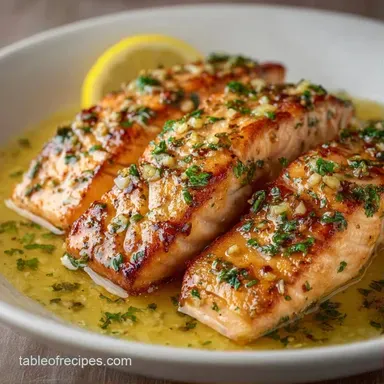
30 Minute Salmon Meal with Lemon and Garlic
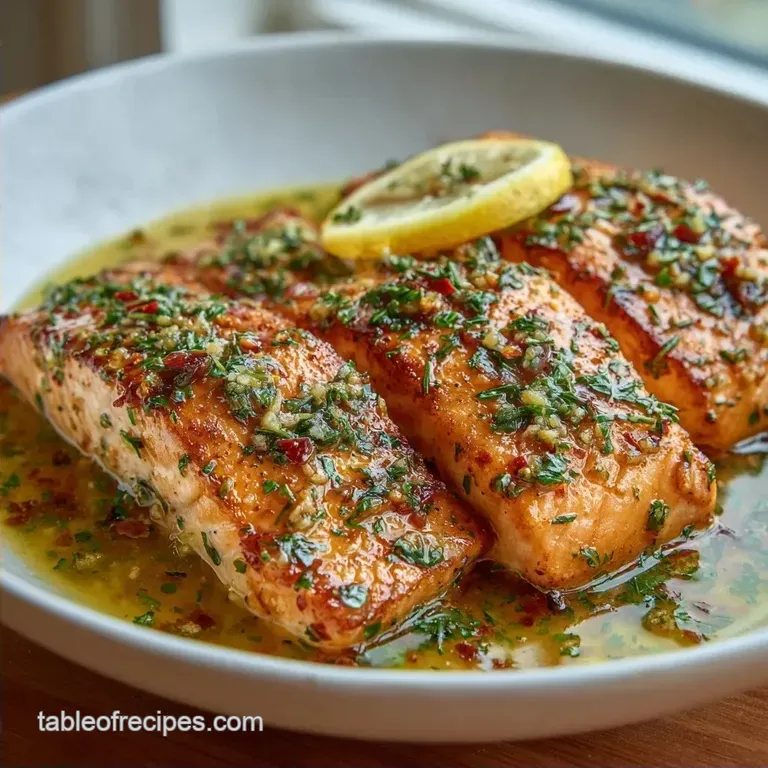
- Time:10 minutes active + 20 minutes cooking
- Flavor/Texture Hook: Velvety garlic butter with a mahogany, shatter crisp skin
- Perfect for: Busy professionals needing a low effort, high protein dinner
- 30 Minute Salmon Meal with Lemon and Garlic
- Quick Timing and Serving Details
- Secrets for Better Results
- Essential Ingredients and Smart Swaps
- Minimal Tools for Fast Cooking
- Simple Steps for Perfect Salmon
- Fixing Common Salmon Mistakes
- Changing the Recipe for Everyone
- Adjusting the Batch Size
- Common Cooking Misconceptions
- Storage and Reducing Waste
- Plating and Serving Ideas
- Recipe FAQs
- 📝 Recipe Card
30 Minute Salmon Meal with Lemon and Garlic
Sizzle. That's the sound of a hot cast iron pan hitting the salmon skin, and honestly, it's the best part of my entire day. I remember the first time I tried to make a "fancy" salmon dinner.
I spent two hours prepping a complex glaze, used a thermometer every thirty seconds, and somehow still ended up with a piece of fish that had the texture of a chalkboard. I was so frustrated that I almost gave up on seafood entirely.
But then I stopped trying to be a chef and started being a home cook. I realized that the secret isn't in the complexity, it's in the heat management. This 30 Minute Salmon Meal with Lemon and Garlic is the perfect quick and flavorful dinner.
It strips away the fluff and focuses on the three things that actually matter: a dry surface, a hot pan, and a rich butter baste.
You don't need a kitchen full of gadgets or a culinary degree to get that restaurant style finish. You just need a few basic ingredients and about half an hour of your time. By the time you finish your first glass of wine, dinner is on the table, and your kitchen doesn't look like a disaster zone.
Quick Timing and Serving Details
When you're racing against the clock after a long workday, every minute counts. This recipe is designed for efficiency, meaning we aren't wasting time on tedious prep or unnecessary steps. We're moving fast but with precision, ensuring the salmon stays juicy while the skin gets that satisfying crunch.
The beauty of this approach is that it's incredibly reliable. Whether you're cooking for yourself or a small group, the timing remains consistent. You aren't guessing if it's done; you're following clear sensory cues that tell you exactly when to flip and when to pull the pan off the heat.
Below is a quick look at how this streamlined method compares to the classic, slower roasting techniques you often see in cookbooks.
| Feature | Fast Pan Sear | Classic Oven Roast | Impact |
|---|---|---|---|
| Total Time | 30 minutes | 45-60 minutes | Saves 15-30 mins |
| Skin Texture | Shatter crisp | Soft/Soggy | Better mouthfeel |
| Effort Level | Medium Low | Low | Slightly more active |
| Flavor Profile | Intense/Buttery | Mild/Clean | More depth of flavor |
Secrets for Better Results
I've spent a lot of time wondering why some salmon comes out silky and others come out dry. It usually comes down to a few simple physics principles that we can use to our advantage without needing a lab coat.
- Surface Moisture: Water is the enemy of a sear. When the fish is damp, the pan spends its energy evaporating water instead of browning the skin, which is why we pat it bone dry.
- Heat Transfer: Butter has a lower smoke point than oil, so we start with olive oil for the over high heat sear and add butter later to create a velvety emulsion.
- Carryover Cooking: Protein continues to cook after it leaves the pan. Pulling the fish at 125°F (52°C) ensures it hits the target temperature without becoming rubbery.
- Acidic Balance: Lemon juice cuts through the richness of the salmon's fats, brightening the whole dish and preventing it from feeling too heavy.
Right then, let's look at what each ingredient is actually doing in the pan.
| Ingredient | Science Role | Pro Secret |
|---|---|---|
| Kosher Salt | Protein Breakdown | Season 10 mins early to draw out moisture |
| Unsalted Butter | Heat Medium | Use cold butter for a thicker, foamier baste |
| Lemon Zest | Aromatic Oil | Zest first, then juice for maximum yield |
| Garlic | Flavor Base | Mince finely to avoid large, burnt chunks |
Essential Ingredients and Smart Swaps
I'm a big believer in using what you have, but for this recipe, a few specific items really make the difference. I use unsalted butter because it allows me to control the salt levels exactly, which is key when you're using kosher salt for the seasoning.
For the Salmon 4 salmon fillets, 6 oz (170g) each Why this? Standard size for even cooking across all fillets 1 tsp (5g) kosher salt Why this? Larger grains mean you won't accidentally over salt ½ tsp (2g) cracked black pepper
Why this? Freshly cracked has more punchy aroma 1 tbsp (15ml) olive oil Why this? High smoke point for the initial sear
For the Garlic Butter Glaze 3 tbsp (42g) unsalted butter Why this? Creates the velvety basting liquid 3 cloves (15g) garlic, minced Why this? Provides a sharp, savory contrast 1 medium lemon, juiced and zested Why
This? Essential for cutting through the fat 1 tbsp (4g) fresh parsley, finely chopped Why this? Adds a fresh, grassy finish
If you're missing something, don't panic. You can still make a killer meal with a few adjustments.
| Original Ingredient | Substitute | Why It Works |
|---|---|---|
| Unsalted Butter | Ghee (Clarified Butter) | Higher smoke point. Note: Less creamy, more nutty flavor |
| Olive Oil | Avocado Oil | Very high smoke point. Note: Neutral taste, great for high heat |
| Fresh Parsley | Fresh Chives | Similar mild onion flavor. Note: Adds a different, sharper note |
| Lemon Juice | Lime Juice | Similar acidity level. Note: Gives it a slight tropical twist |
Minimal Tools for Fast Cooking
You don't need a fancy kitchen to make this work. In fact, the fewer tools you use, the faster the cleanup, which is the real goal here. I highly recommend a 12 inch cast iron skillet if you have one, as it holds heat better than almost anything else, giving you that mahogany crust every single time.
If you don't have cast iron, a heavy bottomed non stick pan works perfectly fine. Just avoid thin pans that warp under high heat, as they'll create "cold spots" where your salmon won't sear properly.
A meat thermometer is the only "special" tool I insist on. Guessing the doneness of salmon is a gamble I'm no longer willing to take. It's the difference between a velvety center and a dry, chalky piece of fish.
Simple Steps for Perfect Salmon
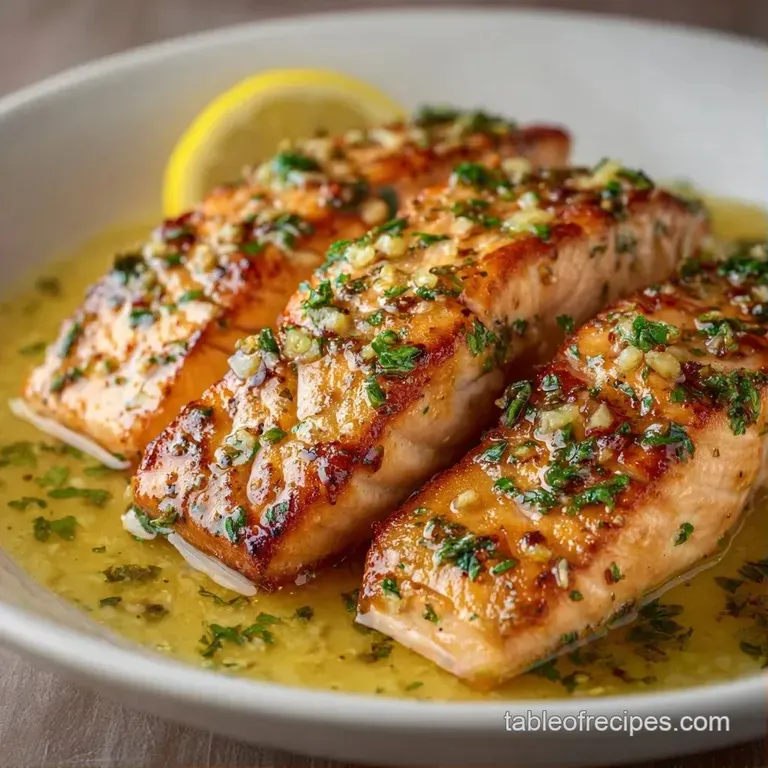
Let's crack on with the actual cooking. Remember, the goal is efficiency. Get everything prepped and sitting in little bowls before you even turn on the stove.
- Pat the salmon fillets completely dry with paper towels. Note: Even a little moisture will prevent the skin from crisping
- Season both sides generously with kosher salt and cracked black pepper.
- Heat olive oil in a 12 inch cast iron or heavy bottomed non stick skillet over medium high heat until the oil shimmers.
- Place fillets skin side down in the pan. Press firmly with a spatula for 10 seconds to ensure maximum surface contact.
- Sear undisturbed for 4-5 minutes until a mahogany crust forms and the fish releases naturally from the pan. Flip the fillets carefully.
- Reduce heat to medium. Add unsalted butter and minced garlic to the skillet.
- Once the butter foams, stir in the lemon juice and lemon zest.
- Tilt the pan and use a spoon to continuously pour the bubbling garlic butter over the salmon for the final 2-3 minutes until the internal temperature reaches 125°F (52°C).
- Remove from heat and let rest briefly to reach a final internal temperature of 135°F (57°C).
- Garnish with finely chopped fresh parsley.
Chef's Tip: If you find your salmon is curling up in the pan, it's usually because the skin is contracting. Pressing it down firmly for those first 10 seconds is the best way to stop this from happening.
Fixing Common Salmon Mistakes
Even with a simple recipe, things can go sideways. Usually, it's just a matter of temperature or timing. If your salmon isn't behaving, it's almost always one of these three issues.
The Salmon is Sticking to the Pan
This usually happens if you put the fish in before the oil is hot enough, or if you try to flip it too early. Salmon has a natural way of "releasing" from the pan once the crust is fully formed. If you tug and it resists, give it another 30 to 60 seconds.
The Fish is Overcooked and Rubbery
Overcooking happens in a flash. If you see white, albumin like proteins leaking out of the sides of the fillet, you've gone too far. This is why the 125°F pull temperature is so critical.
The Garlic Burnt and Tastes Bitter
Garlic burns quickly at high heat. This is why we reduce the heat to medium before adding the butter and garlic. If your garlic is turning dark brown instead of golden, move the pan off the heat for a few seconds.
| Problem | Root Cause | Solution |
|---|---|---|
| Soggy Skin | Pan wasn't hot enough | Wait for oil to shimmer before adding fish |
| Dry Interior | Cooked past 135°F | Pull fish at 125°F and let it rest |
| Bitter Sauce | Garlic cooked too long | Add garlic only after reducing heat to medium |
Common Mistakes Checklist
- ✓ Did you pat the salmon bone dry?
- ✓ Did you press the fillets down for 10 seconds?
- ✓ Did you wait for the fish to release naturally?
- ✓ Did you pull the fish at 125°F (52°C)?
- ✓ Did you use a medium heat for the garlic butter?
Changing the Recipe for Everyone
This recipe is quite flexible. If you're looking to change things up, you can easily adapt the method without losing the core flavor. For example, if you're hosting a dinner party and don't want to stand over the stove, you can do a 30 minute salmon meal with lemon and garlic in oven.
Just sear the skin for 3 minutes, then move the whole pan into a 400°F (200°C) oven for about 8-10 minutes.
For those avoiding dairy, you can swap the butter for a high-quality vegan butter or even a bit more olive oil mixed with a teaspoon of miso paste for that same rich, savory depth.
If you're serving this as part of a larger meal, I highly recommend pairing it with Creamy Garlic Baby Potatoes to tie the garlic flavors together. Alternatively, if you want something with a bit more crunch, Parmesan Potatoes provide a great textural contrast to the flaky fish.
Low Carb Options
Since salmon is naturally low carb, this recipe is already keto friendly. To keep it that way, avoid serving it with rice or pasta. Instead, try sautéed spinach or roasted asparagus.
The Herb Heavy Twist
If you want a more "garden" feel, add a teaspoon of dried thyme or dill to the butter baste. Salmon is packed with omega-3s, and adding fresh herbs makes it feel like a complete, nutrient dense meal.
Adjusting the Batch Size
Cooking for one is different than cooking for four. When you scale this recipe, you have to be careful with the pan surface area.
Scaling Down (1-2 fillets) Use a smaller skillet (8 or 10 inches). If you use a massive pan for one piece of fish, the butter will spread too thin and burn before you can baste the salmon. Reduce the butter and garlic by half, and keep an eye on the timing, as smaller fillets can cook slightly faster.
Scaling Up (6-8 fillets) Do not crowd the pan. If you put too many fillets in at once, the temperature of the pan will drop, and you'll end up steaming the fish instead of searing it. Work in two batches.
When scaling the butter and garlic, only increase them by 1.5x rather than 2x, as you only need enough liquid to coat the bottom of the pan for basting.
Common Cooking Misconceptions
There are a few things people always say about salmon that just aren't true. Let's set the record straight.
"Searing seals in the juices" This is a classic myth. Searing doesn't create a waterproof barrier; moisture loss happens throughout the cooking process. The sear is purely for flavor and texture. The "juiciness" comes from not overcooking the internal temperature.
"Salmon must be cooked until opaque" While some people prefer their salmon well done, cooking it until it's completely opaque often means you've overshot the mark. Medium rare to medium (130°F-135°F) is where you get that velvety, buttery texture.
Storage and Reducing Waste
If you happen to have leftovers (which is rare in my house), store the salmon in an airtight container in the fridge for up to 3 days. To reheat, avoid the microwave if you can, as it will make the fish rubbery. Instead, gently warm it in a pan over low heat with a tiny bit of butter.
Freezing Guidelines I don't recommend freezing the cooked salmon with the garlic butter, as the emulsion will break and the texture of the fish will change. However, you can freeze raw fillets for up to 3 months. Just thaw them in the fridge overnight before using this recipe.
Zero Waste Tips Don't toss those lemon scraps! After juicing, you can put the spent lemon halves in a jar of white vinegar to make a quick citrus cleaner for your countertops.
Also, if you bought a whole side of salmon and trimmed the edges, save those scraps in the freezer for a homemade salmon cake or a fish chowder.
Plating and Serving Ideas
The way you present this dish can make it feel like a fancy bistro meal or a casual Tuesday dinner. Since the salmon has such a rich, golden color, I like to use a dark or neutral plate to make the colors pop.
The Plating
Place the fillet skin side up to show off that mahogany crust. Spoon a generous amount of the remaining garlic butter from the pan directly over the top. The parsley should be sprinkled at the very end so it stays bright green and doesn't wilt from the heat.
Perfect Pairings
To balance the richness of the butter, serve this with something acidic or crisp. A simple arugula salad with a lemon vinaigrette is a classic choice. If you're looking for something heartier, a side of quinoa or wild rice works well, as the grains soak up the extra garlic butter from the plate.
Recipe FAQs
How to cook salmon cheaply and easily?
Season with salt and pepper and pan-sear. This method uses basic pantry staples like olive oil and butter to create a restaurant quality meal without expensive equipment.
How to keep salmon moist while cooking?
Baste the fillets with foaming garlic butter. Continuously spooning the sauce over the fish for the final 2-3 minutes ensures it stays juicy until it hits 125°F.
Is it true that baking is the easiest way to get a tender fillet?
No, this is a common misconception. Pan-searing with a butter baste is faster and produces a superior crust while keeping the interior more tender than roasting.
How to cook a salmon fillet in a pan?
Heat olive oil over medium high heat and sear skin side down. Press firmly with a spatula for 10 seconds and cook undisturbed for 4-5 minutes before flipping.
What are some good salmon recipes without lemon?
Omit the lemon juice and zest. You can rely on the garlic and butter for a savory flavor, or try a salt and pepper profile for something even simpler.
How to cook salmon steaks in a pan?
Increase the searing time on each side. Because steaks are thicker than fillets, ensure the internal temperature reaches 125°F before letting them rest to a final 135°F.
What is the most delicious but simple recipe for salmon?
A garlic butter baste paired with a high heat sear. This combination creates a mahogany crust and a rich, aromatic finish in only 30 minutes.
Lemon Garlic Salmon Meal