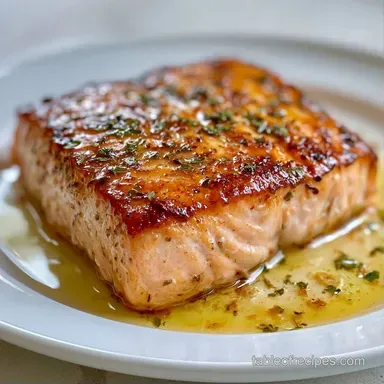
Healthy Olive Oil Salmon: Golden and Velvety
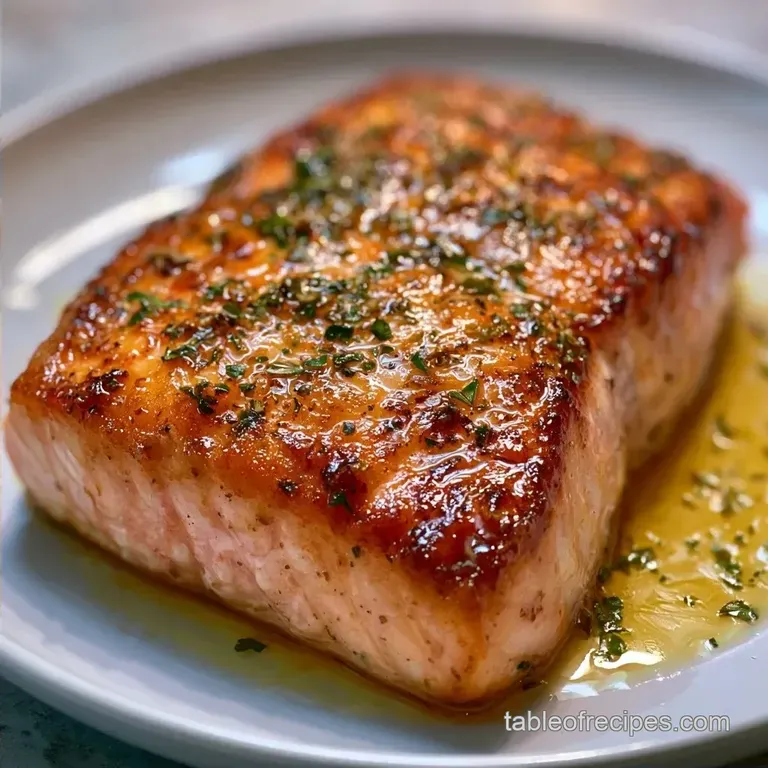
- Time: 5 min active + 15 min cook = 20 min total
- Flavor/Texture Hook: Zesty, smoky, and velvety
- Perfect for: Weeknight dinner, meal prep, beginner friendly
- The Best Olive Oil Salmon Guide
- Why This Method Actually Works
- Ingredient Breakdown and Secrets
- Essential Tools for Success
- Step By Step Cooking Process
- Solving Common Salmon Issues
- Swaps and Flavor Twists
- Adjusting For Different Sizes
- Fact Checking Salmon Logic
- Storage and Reheating Tips
- Vibrant Pairing Suggestions
- Recipe FAQs
- 📝 Recipe Card
That specific smell of garlic and lemon hitting a hot oven is a total trigger for me. It takes me right back to my first "adult" apartment, where I tried to impress a date by making something that looked fancy but took zero effort.
I remember the sizzle as the fillets hit the tray and that golden orange hue of the paprika starting to caramelize. It smelled like a Mediterranean vacation in a tiny kitchen.
I used to overthink this. I'd try these complicated crusts or sous vide methods that took hours. But honestly, once I realized that a high temp blast with the right fat does all the heavy lifting, I stopped overcomplicating it.
You get this gorgeous contrast where the fish is barely translucent in the center and the edges are just slightly charred.
This Olive Oil Salmon approach is all about speed and vibrancy. We aren't doing anything fussy here. It's just a few high impact ingredients and a very specific temperature target. If you've struggled with dry fish or that weird white stuff leaking out of the fillets, we're going to fix that right now.
The Best Olive Oil Salmon Guide
The biggest mistake I see people make is treating salmon like a steak. They sear it too long or bake it until it's a dry brick. The secret is the fat. Olive oil doesn't just add flavor, it acts as a heat conductor, wrapping the fish in a layer of warmth that cooks it evenly.
When you combine the acidity of lemon with the richness of the oil, it breaks down the "fishy" edge and leaves you with something clean and bright. It's a mission to keep the nutrients intact while maximizing the flavor, which is why we use a high temp for a short time.
Why This Method Actually Works
- Heat Transfer: The oil creates a continuous bridge between the oven air and the fish, ensuring the heat penetrates the protein quickly.
- Surface Dehydration: Patting the skin dry removes surface moisture, which allows the oil to sizzle instead of steam.
- Acidic Tenderizing: The lemon juice slightly denatures the surface proteins, making the fillets feel more velvety.
- Aroma Infusion: Garlic and oregano are fat soluble, meaning the oil carries those scents deep into the flesh as it cooks.
| Source | Time | Texture | Best For |
|---|---|---|---|
| Fresh Fillets | 12-15 min | Flaky & Moist | Immediate dinner |
| Frozen (Thawed) | 14-17 min | Softer | Meal prep |
| Pre marinated | 12-14 min | Saltier | Ultra quick nights |
Ingredient Breakdown and Secrets
Understanding what each part does helps you tweak the recipe without ruining the dish. I've spent a lot of time playing with ratios, and these are the ones that actually hold up.
| Ingredient | Science Role | Pro Secret |
|---|---|---|
| Extra Virgin Olive Oil | Heat Conduit | Use a fruity oil for a more vibrant finish |
| Lemon Juice | pH Balancer | Rub it on last to prevent "cooking" the fish prematurely |
| Smoked Paprika | Color & Aroma | Adds a "grilled" scent even in a standard oven |
| Sea Salt | Moisture Control | Salt the fish 10 mins before oiling to draw out excess water |
Essential Tools for Success
You don't need a professional kitchen for this, but a few things make it way easier. A rimmed baking sheet is non negotiable because the oil and lemon juice can run. I always use parchment paper not just for cleanup, but because it prevents the skin from sticking and tearing.
If you don't have a brush, just use your hands. I actually prefer it because you can feel if the salmon is evenly coated. The most important tool, though, is an instant read thermometer. According to Serious Eats, internal temperature is the only way to truly guarantee you haven't overcooked your fish.
Step by step Cooking Process
Right then, let's get into it. Follow these steps exactly, and you'll avoid the common pitfalls of dry, rubbery fish.
- Preheat oven to 400°F (200°C) and line a rimmed baking sheet with parchment paper. Note: Preheating ensures the oil starts sizzling the moment the tray goes in.
- Use paper towels to pat the salmon fillets completely dry on all sides until the skin feels tacky. Note: Wet fish steams; dry fish sears.
- In a small bowl, whisk together the 3 tbsp extra virgin olive oil, 1 tbsp fresh lemon juice, 2 cloves minced garlic, and 1 tsp dried oregano.
- Season the flesh of the fillets by rubbing 1/2 tsp sea salt, 1/2 tsp cracked black pepper, and 1/2 tsp smoked paprika directly onto the fish.
- Coat the fillets generously with the prepared olive oil mixture using a brush or your hands. Note: Ensure the sides are covered to prevent drying.
- Place the fillets skin side down on the parchment lined baking sheet.
- Bake for 12–15 minutes. until the edges are golden and the aroma of garlic is fragrant.
- Use an instant read meat thermometer to remove the Olive Oil Salmon when the internal temperature reaches 125°F-130°F.
Solving Common Salmon Issues
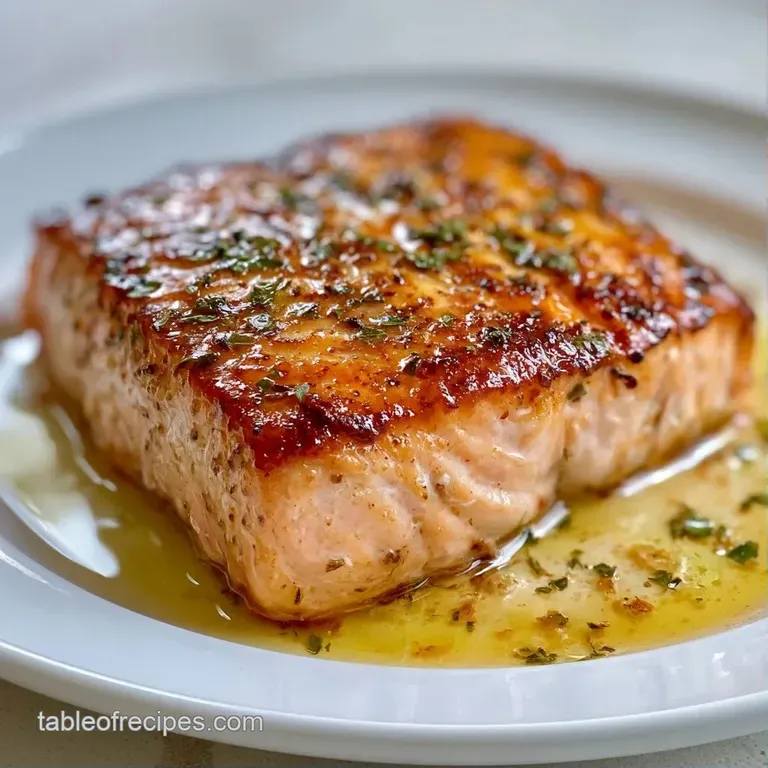
We've all been there: the fish looks done on the outside but is raw inside, or it's covered in those weird white clumps. Let's sort that out.
Why Your Salmon Has White Clumps
That white stuff is called albumin. It's just a protein that pushes out when the muscle fibers contract too quickly from high heat. It's harmless, but it looks unappealing. To minimize this, don't overcook the fish and let it sit at room temperature for 15 minutes before baking.
Why Your Salmon Is Dry
Usually, this happens because the oven is too hot or the fillets are too thin. If you're using 6 oz fillets, 15 minutes is the absolute limit. If your fillets are thinner, start checking them at 10 minutes.
| Problem | Root Cause | Solution |
|---|---|---|
| Sticking Skin | Moisture on tray | Use parchment paper or silicone mats |
| Dull Color | Not enough paprika | Rub the spices in firmly before oiling |
| Rubbery Texture | Overcooked | Pull at 125°F; carryover heat hits 130°F |
Common Mistakes Checklist
- ✓ Patting fish dry with paper towels (don't skip this!)
- ✓ Using a thermometer instead of a timer
- ✓ Skin side down for the entire cook
- ✓ Room temperature fillets (not ice cold)
- ✓ Using extra virgin oil for flavor, not just any oil
Swaps and Flavor Twists
If you want to change the vibe, you can easily swap a few things. For a more global profile, try replacing the oregano with cumin and coriander for a North African feel. If you prefer a different texture, you might want to try a Stovetop Salmon Fillet to get a more aggressive skin crisp.
| Original Ingredient | Substitute | Why It Works |
|---|---|---|
| Extra Virgin Olive Oil | Avocado Oil | Higher smoke point. Note: Less vibrant flavor than EVOO |
| Dried Oregano | Fresh Thyme | Earthy, herbal notes. Note: Use 3x the amount of fresh |
| Smoked Paprika | Ancho Chili Powder | Adds a deeper, smokier heat. Note: Slightly spicier |
| Lemon Juice | Lime Juice | Brighter, more tropical tang. Note: Pairs great with cilantro |
For those who want a more traditional pan fry, my Pan Seared Salmon is a great alternative. But for a healthy, hands off dinner, this Olive Oil Salmon is the way to go.
Adjusting For Different Sizes
When you're cooking for a crowd or just yourself, you can't just multiply everything and hope for the best.
Scaling Down (1-2 fillets): Use a smaller baking sheet. If the pan is too large, the oil can spread too thin and burn. Reduce the bake time by about 2 minutes since there is less mass in the oven to absorb the heat.
Scaling Up (8+ fillets): Don't crowd the pan. If the fillets are touching, they'll steam instead of roasting, and you'll lose that golden crust. Work in batches or use two separate trays.
I recommend lowering the temperature by 25°F (to 375°F) and extending the time by 3-5 minutes to ensure the middle fillets cook through without burning the outer ones.
Fact Checking Salmon Logic
I hear a lot of myths in the kitchen, and some of them actually make your food worse. Let's clear the air.
Myth: Searing "seals in" the juices. This is a total lie. Searing creates flavor and texture, but it doesn't create a waterproof barrier. Moisture loss happens throughout the entire cooking process. The only way to keep the juices is to not overcook the fish.
Myth: You must cook salmon until it flakes easily with a fork. By the time it "flakes" effortlessly, it's often overdone. Use a thermometer. The fish should be just barely opaque in the center for that velvety feel.
Storage and Reheating Tips
If you have leftovers, store them in an airtight glass container in the fridge for up to 3 days. Don't freeze cooked salmon it ruins the texture and makes it mushy.
To reheat, avoid the microwave at all costs. It'll turn your Olive Oil Salmon into rubber. Instead, put it in a 275°F (135°C) oven for about 10 minutes, or gently warm it in a pan with a tiny bit of butter.
For zero waste, save your lemon rinds! I toss them into a jar of vodka or white vinegar to make a quick cleaning solution, or zest them into a freezer bag for future baking.
Vibrant Pairing Suggestions
Since this dish has those smoky, zesty notes, you want sides that provide a crisp contrast. I love serving this with a wild rice blend or a simple quinoa salad with cucumbers and feta.
For something more indulgent, a creamy polenta works wonders to soak up the leftover garlic lemon oil from the pan. If you're keeping it strictly healthy, steamed asparagus or roasted broccolini with a squeeze of lemon is the move.
The brightness of the greens cuts through the richness of the fish, making the whole meal feel light but satisfying.
Recipe FAQs
Is salmon cooked in olive oil healthy?
Yes, it is a heart healthy combination. The omega-3 fatty acids in salmon paired with the monounsaturated fats in olive oil support overall cardiovascular health.
How do you cook salmon in the oven?
Preheat your oven to 400°F (200°C) and bake for 12 15 minutes. Pat the fillets dry, coat them in the olive oil mixture, and remove them when the internal temperature reaches 125°F-130°F.
How do you cook salmon on the stovetop?
Sear the fillets in a pan over medium high heat. Start skin side down to achieve a crisp texture, then flip to finish. This dish pairs perfectly with crispy potatoes.
How to ensure salmon doesn't get dry in the oven?
Use an instant read thermometer to track the internal temperature. Pull the fish from the oven at 125°F-130°F, as carry over cooking will finish the process without drying out the flesh.
Is it true that you must remove the skin before baking salmon?
No, this is a common misconception. Keeping the skin on protects the fillet from direct heat, helping the fish stay moist and tender during roasting.
What's an easy and delicious way to prepare salmon?
Coat the fillets in a mix of olive oil, lemon juice, garlic, and oregano. Season with salt, pepper, and smoked paprika before roasting at 400°F for a fast, flavor packed meal.
How to reheat leftover salmon without it becoming rubbery?
Warm it in a 275°F (135°C) oven for about 10 minutes. Avoid using the microwave, as high intensity waves quickly overcook the proteins and ruin the texture.
Healthy Olive Oil Salmon