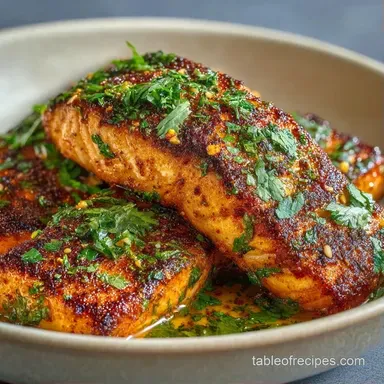
Indian Spiced Salmon Fillet: Crispy and Velvety
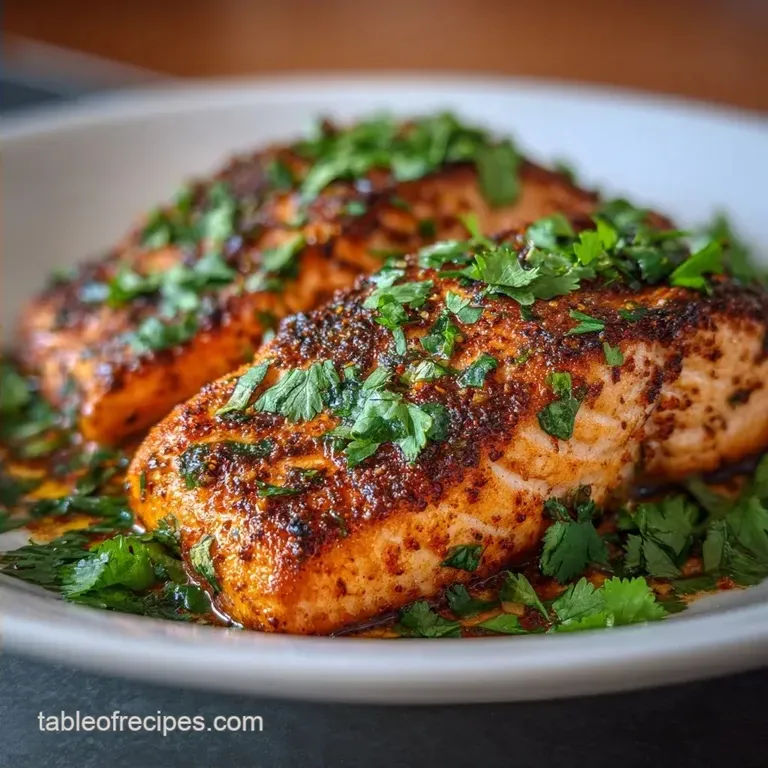
- Time: 10 min active + 30 min chilling
- Flavor/Texture Hook: Shatter crisp skin with a creamy, spiced crust
- Perfect for: A healthy weeknight dinner that feels like a treat
- Tips for Great Indian Spiced Salmon
- Component Analysis
- Gathering Your Essentials
- Tools for the Job
- Step by Step Cooking Guide
- Fixing Common Cooking Issues
- Troubleshooting Common Issues
- Switching Ingredients and Flavors
- Adjusting the Serving Size
- Debunking Kitchen Myths
- Storage and Waste Reduction
- Best Sides and Pairings
- High in Sodium
- Recipe FAQs
- 📝 Recipe Card
The second that salmon hits the hot oil, the kitchen fills with this incredible smell. It is a mix of toasted cumin, sharp ginger, and that warm, citrusy hit of lime. I remember the first time I made this for a friend who thought fish was "boring." I watched her face change as she took the first bite, mostly because she couldn't believe something so healthy could taste this loud.
This isn't some overly complicated restaurant dish. It is a straightforward, home cooked meal that relies on a few smart moves. We are using a yogurt based marinade to keep the fillets juicy, which is the secret to avoiding that dry, chalky texture some people associate with cooked salmon.
When you make this Indian Spiced Salmon, you're getting a balance of heat and acidity. The Kashmiri chili gives a gorgeous red color and a mild glow, rather than an aggressive burn. It is all about those layers of flavor hitting you at once.
Tips for Great Indian Spiced Salmon
To understand why this works, you have to look at what's happening in the pan. Most people just throw spices on fish and hope for the best, but that usually leads to burnt powder. By mixing the spices into yogurt first, we create a protective barrier.
Lactic Acid Tenderizing: The yogurt's mild acidity breaks down the surface proteins of the salmon. This makes the fish more tender and helps the spices penetrate deeper than a dry rub would.
The Spice Bloom: When the marinated fillets hit the shimmering oil, the fat soluble flavors in the cumin and garam masala "bloom." This means the heat unlocks the aromatic oils, making the scent way more intense.
Moisture Control: Patting the fish dry is the most important step. Any water on the skin creates steam, which prevents that shatter crisp texture and leads to sticking.
Temperature Buffer: The Greek yogurt acts as a heat shield. It allows the salmon to cook through without the spices scorching instantly at medium high heat.
| Method | Prep Time | Texture | Best For |
|---|---|---|---|
| Quick Sear (No Marinate) | 2 mins | Charred/Firm | Ultra fast lunch |
| Classic Marinate (This Recipe) | 40 mins | Velvety/Crispy | Proper dinner |
Component Analysis
The ingredients here aren't just for flavor; they each have a job to do. If you skip the lime, the dish feels heavy. If you skip the ginger garlic paste, it tastes flat.
| Ingredient | Science Role | Pro Secret |
|---|---|---|
| Greek Yogurt | PH Regulator | Use full fat for a creamier crust |
| Kashmiri Chili | Color & Mild Heat | Swap for paprika if you want zero heat |
| Ghee | High Smoke Point | Brush on at the end for a nutty finish |
| Lime Juice | Flavor Brightener | Fresh is mandatory; bottled is too bitter |
Gathering Your Essentials
For this Indian Spiced Salmon, quality matters. I always suggest skin on fillets. The skin acts as a natural insulator, protecting the delicate flesh from the direct heat of the pan.
For the Salmon
- 4 Salmon fillets, 170g each, skin on Why this? Skin on prevents overcooking and adds texture
- 1 tbsp neutral oil Why this? High smoke point prevents burning
- 1 tbsp melted ghee Why this? Adds a rich, buttery finish
For the Indian Spice Masala
- 1/2 cup Greek yogurt, plain Why this? Thick consistency keeps marinade on the fish
- 1 tbsp lime juice, freshly squeezed Why this? Cuts through the fatty oils of the salmon
- 1 tbsp ginger garlic paste Why this? Essential aromatic base for Indian flavors
- 1 tsp garam masala Why this? Provides a warm, complex spice blend
- 1 tsp turmeric powder Why this? Earthy base and vibrant gold color
- 1 tsp cumin powder Why this? Adds a smoky, nutty depth
- 1/2 tsp Kashmiri red chili powder Why this? Bright red color with mild heat
- 1 tsp salt Why this? Draws out moisture and enhances spices
For the Garnish
- Fresh cilantro leaves, chopped
- Lime wedges
If you find yourself wanting an extra dip on the side, a healthy salmon sauce recipe works beautifully here to add more moisture to the plate.
Tools for the Job
You don't need a professional kitchen, but a few specific tools make this much easier. A cast iron skillet is my go to because it holds heat better than anything else, which is how you get that perfect sear. If you don't have one, a heavy stainless steel pan works too.
Avoid non stick pans if you can. While they are easy to clean, they often can't handle the heat needed to get the skin truly crispy. You also want a flexible fish spatula. Salmon is fragile when it's nearly done, and a wide, thin spatula lets you flip the fillets without breaking the spiced crust.
Finally, grab some heavy duty paper towels. I cannot stress this enough. If the fish is damp, you are steaming it, not searing it.
Step by step Cooking Guide
Now, let's get into it. This process is fast once the chilling is done, so have your pan ready.
Phase 1: The Aromatic Infusion
- Whisk together the Greek yogurt, lime juice, ginger garlic paste, garam masala, turmeric, cumin, Kashmiri red chili powder, and salt in a medium bowl. Whisk until the paste is thick and uniform.
- Pat the salmon fillets completely dry with paper towels. Note: This ensures the marinade sticks and the skin crisps.
- Coat each fillet generously with the spice marinade on all sides. Use your hands to press it into the flesh.
- Place the marinated fillets in the refrigerator for 30 minutes. Note: This lets the salt penetrate the fish and the flavors meld.
Phase 2: The over High heat Sear
- Heat neutral oil in a cast iron skillet over medium high heat. Wait until the oil is shimmering but not smoking.
- Place fillets skin side down in the pan. Press down lightly with a spatula for 10 seconds. Note: This prevents the skin from curling and ensures total contact.
- Sear for 4-5 minutes without moving them. Listen for a steady sizzle and look for the edges to turn golden brown.
- Flip the fillets carefully. Cook for another 3-4 minutes. Check for a slight give in the center for a medium finish.
Phase 3: The Finishing Touch
- Drizzle with melted ghee right before you pull them off the heat. Garnish with chopped cilantro and fresh lime wedges.
Chef's Note: Don't be tempted to flip the fish too early. If the skin is sticking, it's not ready. Once it's crispy, it will release from the pan naturally.
Fixing Common Cooking Issues
Even experienced cooks hit a snag with Indian Spiced Salmon. Usually, it comes down to temperature or moisture.
Troubleshooting Common Issues
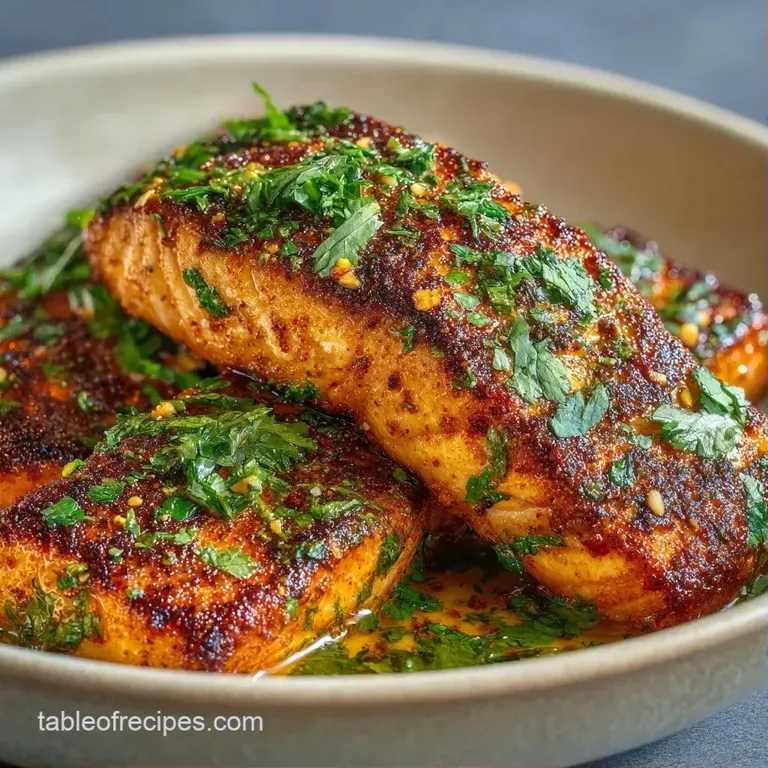
| Issue | Solution |
|---|---|
| Why Your Salmon Sticks | This usually happens because the pan wasn't hot enough or the fish was too wet. When the protein hits the metal, it bonds. |
| Why The Spices Burnt | If your pan is screaming hot (smoking), the yogurt will burn before the fish cooks. Keep it at a medium high shimmer. If you see black flakes, your heat is too high. |
| Why The Fish Is Dry | Overcooking is the enemy. Salmon continues to cook for a few minutes after it leaves the pan. Pull it off when it's just slightly under your preferred doneness. |
Common Mistakes Checklist
- ✓ Did you pat the fish bone dry before marinating?
- ✓ Did you wait for the oil to shimmer before adding the fish?
- ✓ Did you press the fillets down for 10 seconds?
- ✓ Did you avoid flipping the fish more than once?
- ✓ Did you let the fish rest for 2 minutes before serving?
Switching Ingredients and Flavors
This Indian Spiced Salmon is versatile. If you don't have Kashmiri chili, you can use a mix of paprika and a pinch of cayenne. The paprika provides the color, and the cayenne brings the heat.
If you need a dairy-free version, swap the Greek yogurt for a thick coconut cream. It changes the flavor profile to something a bit more tropical, but the lactic acid effect is similar enough that the fish stays tender. For a different protein, this same marinade works wonders on shrimp or cauliflower steaks.
For those who love a bit more luxury, try pairing this with a creamy salmon sauce on the side. The richness of the cream balances the zingy spices of the marinade.
| Original Ingredient | Substitute | Why It Works |
|---|---|---|
| Greek Yogurt | Coconut Cream | Similar thickness. Note: Adds a subtle coconut sweetness |
| Ghee | Unsalted Butter | Similar fat content. Note: Lower smoke point, burns faster |
| Kashmiri Chili | Smoked Paprika | Similar color. Note: Less heat, more wood smoke flavor |
Adjusting the Serving Size
When you're scaling this recipe, you can't just multiply everything by four and expect it to behave the same way.
Scaling Down (1-2 Fillets) Use a smaller skillet. If the pan is too large, the oil spreads too thin and you won't get that deep sear. Reduce the total cooking time by about 20% because the pan will heat up and cool down faster with less mass.
Scaling Up (8+ Fillets) Do not crowd the pan. If you put too many fillets in at once, the temperature drops and the fish will boil in its own juices instead of searing. Work in batches.
For the marinade, only increase the salt and spices by 1.5x rather than 2x, as these flavors concentrate during the sear.
If you're baking a larger batch in the oven, lower the temp to 180°C (350°F) and extend the time by 5-8 minutes to ensure the centers are cooked without burning the yogurt crust.
Debunking Kitchen Myths
There are a few things people tell you about cooking fish that just aren't true.
First, the idea that searing "seals in the juices." This is a total myth. Searing creates a crust and adds flavor, but moisture loss happens regardless of how you start the cook. The reason we sear this Indian Spiced Salmon is for the texture and the smell, not to lock in water.
Second, some people think you have to cook salmon until it's opaque all the way through. Honestly, that's a recipe for dry fish. Medium rare or medium salmon is where the flavor is. If the center is slightly translucent, it's usually the sweetest, most velvety part.
Storage and Waste Reduction
If you have leftovers, store the Indian Spiced Salmon in an airtight container in the fridge for up to 2 days. To reheat, avoid the microwave. It makes the fish rubbery and ruins the crust. Instead, pop it in an air fryer or oven at 150°C (300°F) for about 5 minutes.
For freezing, you can actually freeze the salmon in the marinade. Just place the coated fillets in a freezer safe bag. They'll last about a month. Thaw them in the fridge overnight before searing.
Regarding zero waste, don't toss the leftover marinade in the bowl. It's basically a spiced yogurt dip. You can use it as a dressing for a cucumber salad or mix it into some chickpeas for a quick snack. Using spices instead of heavy salt in these marinades also helps promote heart health by reducing sodium reliance.
Best Sides and Pairings
To make this a full meal, you need sides that can stand up to the bold spices. Basmati rice is the obvious choice, but I love serving this with a side of sautéed spinach or roasted cauliflower. The earthiness of the vegetables balances the acidity of the lime.
If you're feeling fancy, a quick mango chutney or a dollop of mint raita adds a cool, sweet contrast to the heat of the Spiced Salmon Fillet. It turns a simple dinner into something that feels like a celebratory feast.
For a lighter option, a crisp cucumber and red onion salad with a splash of apple cider vinegar works well. It cleanses the palate between bites of the rich, fatty salmon.
Ultimately, the Indian Spiced Salmon is all about contrast: the heat of the chili against the cool yogurt, and the crispy skin against the tender fish. Once you get the hang of the sear, you'll find yourself making this every time you have a fillet in the fridge.
It's a vibrant, global way to enjoy a healthy protein without ever feeling like you're on a "diet."
High in Sodium
890 mg 890 mg of sodium per serving (39% 39% of daily value)
The American Heart Association recommends a daily sodium limit of no more than 2,300 mg for most adults to maintain heart health.
Tips to Reduce Sodium
-
Reduce Added Salt-25%
The 1 tsp of salt is the primary sodium source; cut this amount in half or omit it entirely, as the lime and spices provide significant flavor.
-
Make Fresh Paste-10%
Replace store-bought ginger garlic paste with freshly grated ginger and garlic to avoid hidden sodium often found in processed pastes.
-
Low-Sodium Yogurt-5%
Check labels and choose a plain Greek yogurt with the lowest sodium content per serving.
-
Increase Acidity-5%
Add an extra squeeze of fresh lime juice both during marination and before serving to mimic the taste of salt.
-
Boost Aromatics
Use more fresh cilantro and toasted cumin to add depth and richness to the dish without adding any sodium.
Recipe FAQs
What Indian spices go well with salmon?
Garam masala, turmeric, cumin, and Kashmiri red chili powder. These warm, earthy spices balance the natural richness of the salmon fillets.
What herbs, spices or toppings are good on salmon?
Fresh cilantro and lime wedges. The brightness of the citrus cuts through the creamy yogurt, similar to the fresh finishes used in our easy air fryer salmon.
What makes this an Indian style salmon dish?
The combination of a yogurt based marinade and aromatic spices. This technique is inspired by tandoori preparations to tenderize the fish and infuse deep, complex flavor.
How to cook salmon for diabetics?
Use the Greek yogurt and spice marinade. This preparation avoids added sugars and focuses on lean protein and healthy fats to help maintain stable blood glucose levels.
How to get the skin perfectly crispy?
Pat the fillets completely dry with paper towels. Press them skin side down in shimmering oil for 10 seconds to ensure full contact with the pan.
How to reheat leftover spiced salmon without it becoming rubbery?
Heat in an air fryer or oven at 150°C (300°F) for 5 minutes. Avoid the microwave, as it ruins the crust and makes the fish rubbery.
Is it true that a dry rub is better than a yogurt marinade for salmon?
No, this is a common misconception. The lactic acid in the yogurt tenderizes the fish and creates a protective barrier that prevents the spices from burning in the pan.
Indian Spiced Salmon: Crispy Skin