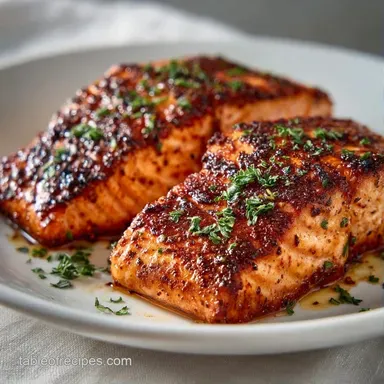
Best Air Fryer Salmon: Crispy and Velvety
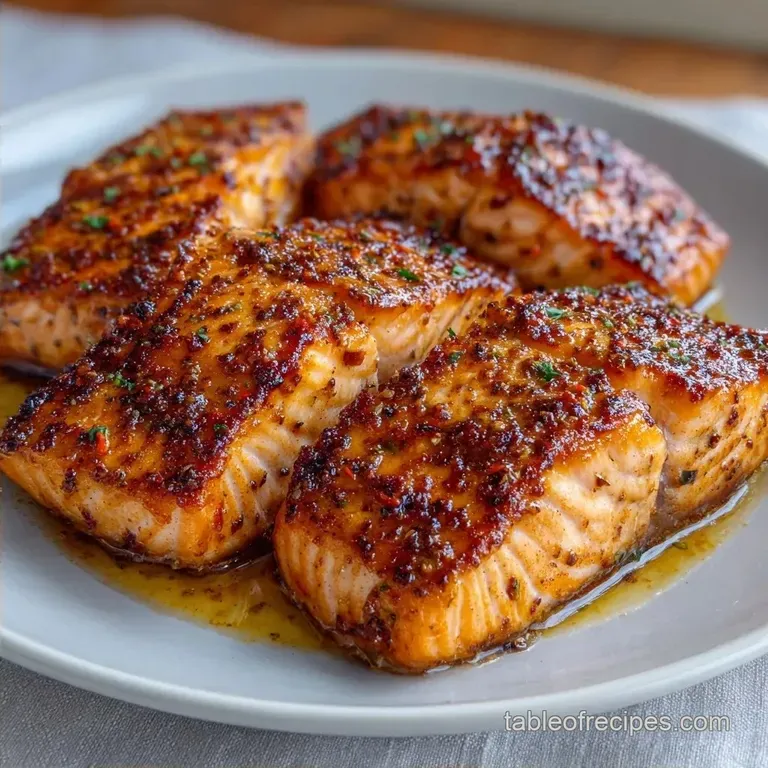
- Time: 5 min active + 10 min cook
- Flavor/Texture Hook: Smoky, salty crust with a buttery center
- Perfect for: Low effort weeknight dinners or high protein meal prep
- The Texture Logic
- Component Analysis
- Simple Ingredient Guide
- The Essential Salmon Gear
- Step-by-Step Cooking Process
- Fixing Common Salmon Problems
- Troubleshooting Common Issues
- Swaps and New Twists
- Adjusting Your Batch Size
- Salmon Myths
- Storage and Waste Tips
- Serving Your Salmon
- Recipe FAQs
- 📝 Recipe Card
Sizzle. That's the sound of the skin hitting the hot basket, and it's exactly what you want. Most people struggle with salmon in the air fryer because they end up with a rubbery, overcooked exterior and a center that's still cold, or worse, they get that weird white gunk leaching out of the fish.
I've spent too much time eating dry salmon to let you do the same.
The fix is actually pretty simple. It comes down to moisture control and temperature precision. When you get the surface bone dry and hit it with high heat, the air fryer acts like a mini convection oven, searing the outside before the inside overcooks.
This recipe for the Best Air Fryer Salmon is built for speed. We're talking about a dinner that goes from the fridge to the plate in about 20 minutes. No fancy equipment, no complicated sauces, just a few pantry staples and a bit of heat.
The Texture Logic
The secret to this recipe isn't a special ingredient, but how the air fryer handles the fish. Unlike a standard oven, the air fryer moves heat rapidly around the fillet, which prevents the salmon from steaming in its own juices.
Surface Dehydration: Patting the fish dry removes surface water that would otherwise turn into steam, allowing the oil to fry the skin instead of boiling it.
Over High heat Searing: Setting the temp to 390°F (200°C) triggers a fast sear. This creates a crust that locks in the internal moisture.
Carry over Cooking: Pulling the fish at 135°F (57°C) is the pro move. The internal temperature continues to rise while the fish rests, reaching the safe 145°F (63°C) mark without drying out.
Fat Distribution: Using avocado oil, which has a high smoke point, ensures the seasoning doesn't burn and turn bitter under the intense heat.
| Method | Time | Texture | Best For |
|---|---|---|---|
| Air Fryer | 10 mins | Shatter crisp skin, juicy center | Weeknights |
| Oven | 15-20 mins | Evenly cooked, softer skin | Large batches |
| Stovetop | 12 mins | Hard sear, risk of sticking | Single fillets |
The air fryer wins on efficiency. You get the speed of the stove with the hands off ease of the oven.
Component Analysis
Not every spice in this mix is just for show. We're building layers of flavor that complement the natural richness of the fish.
| Ingredient | Science Role | Pro Secret |
|---|---|---|
| Avocado Oil | Heat Conductor | High smoke point prevents acrid smells |
| Smoked Paprika | Color & Depth | Adds a "grilled" flavor without a grill |
| Lemon Juice | Acid Balance | Cuts through the fatty omega-3s |
| Kosher Salt | Moisture Draw | Draws out surface proteins for a better crust |
When you're looking for the Best Air Fryer Salmon, the choice of oil is a big deal. I use avocado oil because it doesn't impart a strong flavor and it can handle the heat. If you use extra virgin olive oil, you might notice it smoking more, which can leave a slightly burnt taste on the paprika.
Simple Ingredient Guide
Keep it simple. You probably have most of this in your cupboard already.
- 4 salmon fillets, 6 oz each, skin on Why this? Skin protects the flesh from drying out
- 1 tbsp avocado oil Why this? Stable at high temperatures
- 1/2 tsp kosher salt
- 1/4 tsp black pepper
- 1 tsp garlic powder
- 1 tsp smoked paprika
- 1/2 tsp dried oregano
- 1/2 tsp onion powder
- 1 fresh lemon, cut into wedges
- 1 tbsp fresh parsley, chopped
For the salt, I always go with kosher. The larger grains are easier to distribute evenly, so you don't end up with one bite that's a salt bomb and another that's bland. If you only have table salt, cut the measurement in half.
The Essential Salmon Gear
You don't need a kitchen full of gadgets, but a few specific tools make this process much smoother.
First, you need a decent air fryer. Any brand works, but make sure the basket is clean. I use a Ninja, but a Cosori or Instant Pot version does the job just as well. A meat thermometer is non negotiable here. Relying on "time" is how you get dry fish. You need to know the actual internal temp.
Paper towels are actually your most important tool. If the salmon is wet, it will not crisp. I usually use two or three sheets per fillet just to be sure. For the seasoning, a small bowl is fine, but a spice shaker helps you get a more even coat without clumps.
Step-by-step Cooking Process
Right then, let's get into it. Follow these steps exactly to ensure you get the Best Air Fryer Salmon every single time.
- Pat the salmon fillets bone dry on all sides using paper towels. Note: This is the most important step for a crispy skin.
- Rub avocado oil evenly over the flesh and skin of each fillet.
- Combine garlic powder, smoked paprika, dried oregano, and onion powder in a small bowl. Sprinkle the mixture over the fillets, pressing gently to adhere.
- Preheat the air fryer to 390°F (200°C). Note: Preheating ensures the sear starts the second the fish hits the basket.
- Place fillets in the air fryer basket, skin side down, leaving at least one inch of space between them for air circulation.
- Cook for 8 to 10 minutes. Check the internal temperature at 8 minutes; remove when it reaches 135°F (57°C). until the edges are opaque and the crust is browned.
- Transfer fillets to a plate and let them rest for 5 minutes to allow carry over cooking to reach an internal temperature of 145°F (63°C).
- Squeeze fresh lemon wedges over the salmon and garnish with chopped parsley.
According to Serious Eats, pulling fish slightly early is the only way to avoid the "chalky" texture that comes with overcooking. Trust the thermometer, not the clock.
Fixing Common Salmon Problems
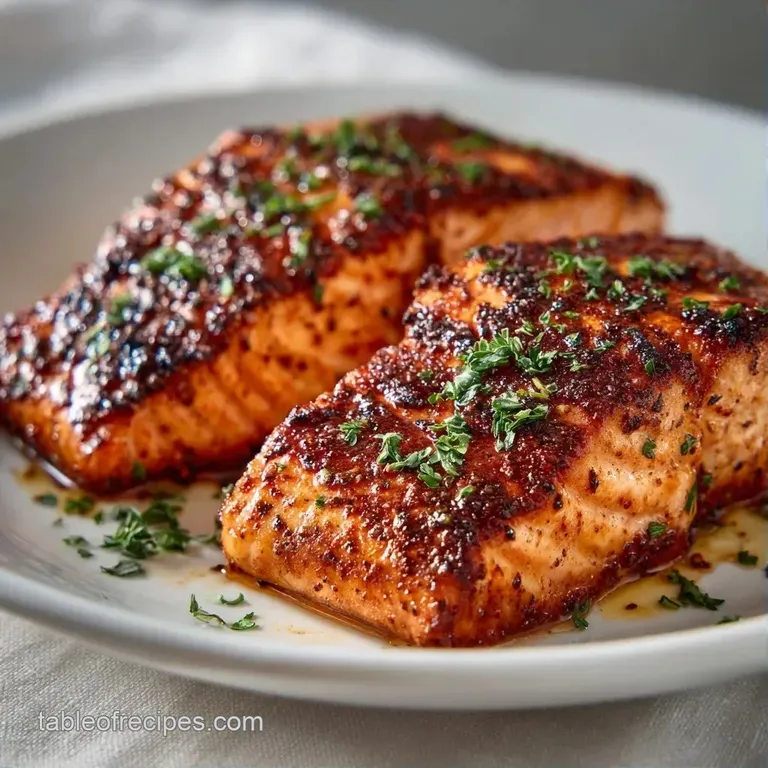
Even with a good plan, things can go sideways. Most salmon issues are caused by temperature or moisture.
Troubleshooting Common Issues
| Issue | Solution |
|---|---|
| Why Your Salmon is Rubbery | This usually happens when the fish is cooked too slowly or too long. If the temperature is too low, the proteins tighten up and squeeze out the moisture. |
| Why Your Salmon Has White Gunk | That white stuff is called albumin. It's just protein that's been pushed out of the muscle fibers. While it's safe to eat, it's not pretty. |
| Why Your Salmon Sticks | If your fillets are sticking to the basket, you probably didn't use enough oil or your basket needs a deeper clean. I recommend rubbing the oil directly on the skin, not just the basket. |
Common Mistakes Checklist
- ✓ Using cold fillets (let them sit for 10 mins to take the chill off)
- ✓ Overcrowding the basket (blocks airflow)
- ✓ Skipping the rest period (results in juice loss)
- ✓ Ignoring the internal temp (leads to dry fish)
- ✓ Using low smoke point oils (creates smoke)
Swaps and New Twists
The Best Air Fryer Salmon is a great base, but you can change the vibe depending on what's in your fridge. If you're looking for more variety, you might also enjoy a quick air fryer dinner for other protein options.
For a sweet and savory glaze, mix 1 tbsp honey and 1 tsp soy sauce. Brush this on during the last 2 minutes of cooking. The sugar will caramelize quickly, so don't put it on at the start or it will burn.
If you want a Mediterranean twist, swap the paprika for dried thyme and add a few kalamata olives to the basket. For those following a stricter diet, check out my healthy air fryer salmon for some lighter seasoning ideas.
For Air Fryer Salmon Bites
Cut the raw fillets into 1 inch cubes. Toss them in the oil and seasoning. Cook at 390°F for only 5 to 7 minutes. These are great for appetizers or putting on top of a salad.
For a Keto Friendly Version
This recipe is already very keto, but you can swap the lemon for a dollop of herb infused butter on top of the resting fish. This adds healthy fats and keeps the fish velvety.
Adjusting Your Batch Size
Scaling this recipe requires a bit of caution because the air fryer relies on airflow. If you block the air, you lose the crisp.
Cooking Smaller (1-2 Fillets) The cook time usually drops by about 1 to 2 minutes. Since there's more room for air to circulate, the heat hits the fish more efficiently. Check the temp at 6 or 7 minutes.
Cooking Larger (6+ Fillets) Do not try to cram more fish into the basket. Work in batches. If you overlap the fillets, they will steam instead of sear, and you'll lose that shatter crisp skin.
For the seasoning, you can double it, but I find that spices like smoked paprika can become overwhelming. I usually scale spices to about 1.5x when doubling the meat. If you're cooking for a crowd, you can keep the first batch warm in a low oven (around 170°F/75°C) while the second batch finishes.
Salmon Myths
There are a lot of "rules" about salmon that are actually just myths. Let's clear a few up.
The "Searing Seals Juices" Myth You'll hear people say searing the salmon "seals in the juices." It doesn't. Searing creates flavor and texture through a chemical reaction, but it doesn't stop moisture from leaving the fish. The only way to keep salmon juicy is to not overcook it.
The "Skin is Only for Protection" Myth Some people peel the skin off before cooking. Don't do that. The skin acts as a heat shield, preventing the delicate flesh from overcooking while the bottom is exposed to the high heat of the basket. Plus, the crisp skin is the best part.
Storage and Waste Tips
If you have leftovers, you're in luck. Salmon is one of the few proteins that actually tastes great cold.
Fridge and Freezer Store leftover salmon in an airtight container for up to 3 days. If you need it to last longer, it can be frozen for up to 2 months, though the texture will change slightly. To reheat, avoid the microwave if possible.
Put the fillet back in the air fryer at 350°F (175°C) for 3 to 4 minutes. This refreshes the skin without drying the center.
According to the USDA, cooked fish should be refrigerated promptly to avoid bacterial growth.
Zero Waste Ideas Don't toss the lemon ends. Squeeze the remaining juice into a jar of olive oil with some herbs to make a quick vinaigrette. If you have leftover parsley stems, chop them finely and add them to a compound butter or a pasta sauce.
Even the salmon skin, if it didn't get crispy enough, can be chopped up and fried in a pan to make "salmon cracklings" for a salad topping.
Serving Your Salmon
The way you present the Best Air Fryer Salmon determines if it's a quick snack or a full meal.
The Power Bowl
Place your fillet on a bed of quinoa or brown rice. Add steamed broccoli, sliced avocado, and a drizzle of tahini or a squeeze of the lemon from the recipe. This is the go to for meal prep because the flavors hold up well for a few days.
The Classic Plate
Pair the salmon with roasted asparagus or sautéed spinach. A side of garlic mashed potatoes or a simple cucumber salad provides a cool contrast to the smoky, warm fish.
The Fresh Salad
Flake the salmon into large chunks and place them over a mix of arugula and spinach. Add cherry tomatoes, feta cheese, and a light lemon olive oil dressing. Since the salmon is already seasoned with paprika and garlic, you don't need much extra dressing.
Right then, you've got everything you need. Just remember: pat it dry, watch the temp, and let it rest. Your dinner is sorted in 20 minutes. Trust me, once you go air fryer, you'll never go back to the oven.
Recipe FAQs
How do I cook salmon in an air fryer?
Preheat the air fryer to 390°F (200°C). Pat fillets bone dry, rub with avocado oil and spices, and cook skin side down for 8 to 10 minutes until the internal temperature reaches 135°F.
What are common mistakes when air frying salmon?
Overcooking the fish and skipping the drying step. Leaving moisture on the surface prevents a crisp crust, while cooking beyond 135°F before resting leads to a dry texture.
Is it true that air frying salmon can lower cholesterol?
No, this is a common misconception. While air frying uses less oil than deep frying, the appliance does not change the inherent cholesterol content of the salmon.
How do I stop salmon from becoming rubbery?
Maintain a high cooking temperature of 390°F (200°C). Cooking the fish too slowly causes proteins to tighten and squeeze out moisture, which ruins the texture.
What is the white substance that appears on the fish?
It is called albumin. This is simply a protein that is pushed out of the muscle fibers during cooking; it is completely safe to eat.
How do I reheat leftover salmon?
Air fry the fillet at 350°F (175°C) for 3 to 4 minutes. This method refreshes the skin without drying out the center.
Can I use other seasonings for a different taste?
Yes, a simple salt and pepper blend is a classic. If you loved the flavor balancing here, see how the same principle works in our salt and pepper salmon.
Best Air Fryer Salmon