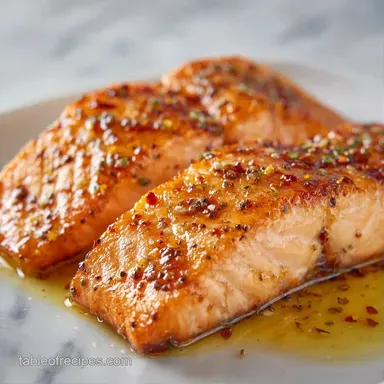
Easy Glazed Salmon Fillet: Caramelized and Tender
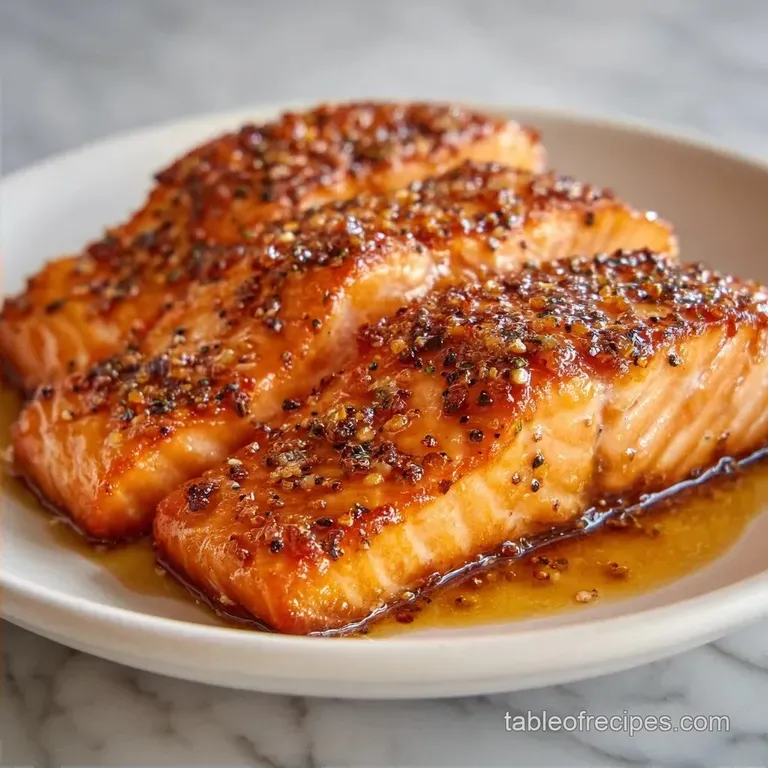
- Time: 5 min active + 15 min cook
- Flavor/Texture Hook: Sticky, caramelized glaze with a tender, flaky center
- Perfect for: Busy weeknight dinners or low effort hosting
- Easy Glazed Salmon Fillet
- The Secret to Great Texture
- Ingredient Breakdown
- Necessary Kitchen Gear
- The Cooking Process
- Fixing Common Problems
- Troubleshooting Common Issues
- Dietary Adaptations
- Adjusting the Batch Size
- Kitchen Myths
- Storage and Reheating Guide
- Best Serving Ideas
- Recipe FAQs
- 📝 Recipe Card
That smell of bubbling honey and garlic hitting a hot oven is something else. It's a scent that fills the whole house and immediately tells everyone dinner is ready. I used to be terrified of salmon, though.
I always ended up with that rubbery, chalky texture where the fish just bounces back when you poke it, mostly because I was too scared to take it out while it still looked a bit translucent.
The secret is trusting the heat. When you blast the oven at 400°F, you get a race between the sugar in the glaze caramelizing and the fish cooking through. If you go too low, the fish dries out before the glaze ever gets sticky.
This Easy Glazed Salmon Fillet is my answer to that struggle, focusing on speed and surface dryness to get a result that actually tastes like something from a bistro.
You don't need a fancy sous vide machine or a professional kitchen to get this right. All you need is a baking sheet and a few pantry staples. By the time we're done, you'll have fillets that are velvety inside and shatter crisp on the edges.
Easy Glazed Salmon Fillet
The real magic here is in how we treat the surface of the fish. Most people just throw the fillets on a pan and pour the sauce over them, but that's a mistake. Any leftover water on the salmon turns into steam, and steam is the enemy of a good crust.
I've spent way too many nights staring at pale, soggy fish because I skipped the paper towel step.
Once you pat that salmon bone dry, the olive oil and salt create a barrier that helps the glaze cling. The result is a thick, tacky coating that doesn't slide off in the oven. It's a low effort way to get a high impact dinner without spending an hour scrubbing pans.
Trust me on the timing, too. Salmon carries over a lot of heat. If you wait until it looks "done" in the oven, it'll be overcooked by the time it hits your plate. Pull it out when it's just barely opaque in the center, and let the resting period do the heavy lifting.
The Secret to Great Texture
Instead of a slow roast, we use a high temperature blast. This ensures the outside transforms into a candy like shell while the inside stays moist.
- Surface Dryness
- Patting the fish removes surface moisture, which prevents steaming and lets the glaze stick.
- The Sugar Race
- High heat caramelizes the honey quickly, creating a crust before the internal proteins toughen.
- Acid Balance
- Lemon juice breaks down the heavy fats in the salmon, making the final bite feel lighter.
- Carryover Heat
- The internal temperature rises by about 5°F after removal, so pulling it early prevents rubberiness.
| Method | Prep Time | Texture | Best For |
|---|---|---|---|
| Fast Bake | 5 minutes | Sticky crust, tender center | Weeknight speed |
| Classic Pan Sear | 15 minutes | Crispy skin, seared edges | Restaurant style |
| Slow Roast | 20 minutes | Uniformly soft, buttery | Large crowds |
Ingredient Breakdown
Not every honey or soy sauce is the same. I prefer low sodium soy because the honey already concentrates the flavors, and too much salt can mask the natural taste of the fish.
| Ingredient | Science Role | Pro Secret |
|---|---|---|
| Honey | Caramelization | Use a runny honey; thick honey clumps and burns unevenly |
| Low Sodium Soy | Umami Base | Adds depth and salt without overpowering the ginger |
| Lemon Juice | Fat Cutter | Use fresh lemon; bottled juice lacks the bright zest needed |
| Ginger Powder | Warmth | Adds a subtle heat that balances the sweetness of the honey |
Necessary Kitchen Gear
Keep it simple. You don't need a gadget for every step. A rimmed baking sheet is non negotiable here so the glaze doesn't drip onto the bottom of your oven and start a fire. Parchment paper is your best friend for cleanup, as burnt honey is a nightmare to scrub off a metal pan.
A small whisk or even a fork works for the glaze. If you have a pastry brush, use it to get a thick, even layer on the fillets. If not, just use a spoon and spread it with the back. It's not about being pretty; it's about getting that coverage.
The Cooking Process
Right then, let's get into it. This is a fast process, so have your glaze mixed before the oven hits temperature.
1. Preparing the Base
Preheat your oven to 400°F (200°C) and line your baking sheet with parchment paper. Pat the salmon fillets completely dry with paper towels. Note: This is the most important step for a sticky crust. Rub each fillet with olive oil, sea salt, and cracked black pepper.
2. Applying the Glaze
In a small bowl, whisk together the honey, low sodium soy sauce, lemon juice, minced garlic, and ginger powder until smooth. Using a brush or spoon, generously coat the top and sides of each fillet. Don't be shy with the sauce, but make sure it's an even layer so it browns uniformly.
3. Mastering the Bake
Place the fillets on the sheet and roast for 12-15 minutes. Cook until the glaze bubbles and turns a deep golden brown and the fish flakes easily with a fork.
4. The Final Touch
If you want a darker, almost charred crust, toggle the broiler for the final 60 seconds. Watch it like a hawk. Honey goes from "perfectly browned" to "burnt charcoal" in about ten seconds. Let the fish rest for 3 minutes before serving.
Fixing Common Problems
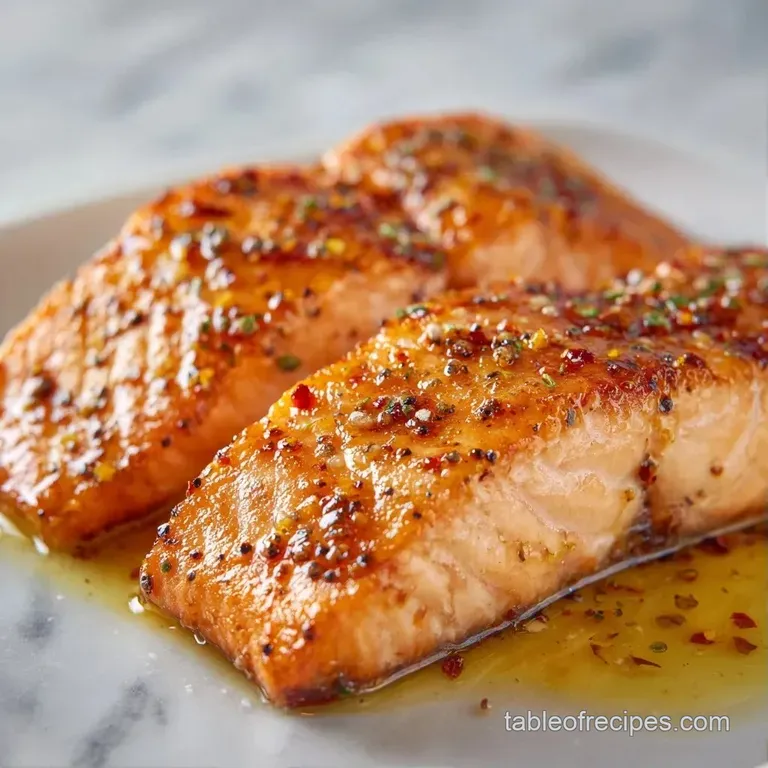
Even with a simple Easy Glazed Salmon Fillet, things can go sideways. Usually, it's a temperature or moisture issue.
Troubleshooting Common Issues
| Issue | Solution |
|---|---|
| Why Your Salmon Is Rubbery | This happens when the proteins tighten up from too much heat. You've likely left it in for 2-3 minutes too long or didn't account for carryover cooking. |
| Why Your Glaze Burnt | If the honey turns black but the fish is raw, your oven might be running hot or your fillets are too thin. For thinner cuts, reduce the oven temp to 375°F and add 2 minutes to the cook time. |
| Why Your Fish Sticked | This is almost always due to skipping the parchment paper or not using enough olive oil on the base. The honey in the glaze acts like glue once it hits the metal. |
Quick Quality Checklist:
- ✓ Fillets were patted bone dry before oiling.
- ✓ Glaze was whisked until no honey clumps remained.
- ✓ Oven was fully preheated to 400°F.
- ✓ Fish was removed while still slightly translucent in the center.
- ✓ Rested for 3 minutes to lock in juices.
Dietary Adaptations
Depending on what's in your pantry, you can tweak this recipe without losing the vibe. If you're looking for a different flavor profile, you can easily create an easy maple glazed salmon recipe by swapping the honey for pure maple syrup. It adds a woodsy sweetness that's great in the fall.
For those avoiding soy, an easy soy glazed salmon recipe can be made "soy free" by using coconut aminos. According to USDA FoodData, coconut aminos provide a similar savory profile but with significantly less sodium.
Transitioning to Keto
To make this low carb, swap the honey for a sugar-free maple syrup or a combination of allulose and a drop of vanilla extract. Note that sugar-free substitutes don't caramelize as deeply, so you'll definitely want to use the broiler at the end to get some color.
Going Plant Based
While this is a fish recipe, the glaze itself is naturally vegan if you use a vegan friendly honey alternative or agave nectar. You can apply this exact glaze to thick slices of cauliflower or tofu steaks for a similar savory sweet result.
Adjusting the Batch Size
When you're cooking for more than four people, don't just crowd the pan. If the fillets are touching, they'll steam instead of roast, and you'll lose that shatter crisp glaze.
Scaling Down (2 Fillets): Use a smaller baking sheet. Reduce the bake time by about 20% (around 10-12 minutes) since there's less mass in the oven to absorb the heat.
Scaling Up (8 Fillets): Work in batches. If you must use two pans, rotate them halfway through the cooking process. Only increase the salt and pepper to 1.5x, not 2x, as the soy sauce provides plenty of sodium. For a full meal prep, check out my Salmon Dinner for 4 recipe for ideas on adding veggies to the mix.
| Batch Size | Pan Strategy | Temp Adjustment | Time Change |
|---|---|---|---|
| Half (2) | Small sheet | None | -2 to 3 mins |
| Double (8) | Two sheets | None | Rotate pans |
| Triple (12) | Three sheets | Lower 25°F | +5 mins |
Kitchen Myths
Myth: Searing salmon "seals in the juices." This is a total lie. Searing creates flavor and texture through browning, but moisture loss happens regardless of how you start the cook. The glaze here isn't sealing anything; it's just adding a layer of savory sweetness.
Myth: Frozen salmon is lower quality than fresh. Actually, most "fresh" salmon at the store was frozen on the boat anyway. The trick is thawing it slowly in the fridge and patting it incredibly dry. If you thaw it in the microwave, you'll ruin the texture.
Storage and Reheating Guide
Leftover Easy Glazed Salmon Fillet is great, but it can get dry if you're not careful. Store it in an airtight container in the fridge for up to 3 days. If you need to freeze it, wrap each fillet tightly in foil and then a freezer bag for up to 2 months.
For zero waste, don't toss the salmon skin if you bought skin on fillets. You can crisp them up in a pan with a bit of oil to make "salmon chips," which are great on top of a salad.
Reheating for Best Texture: Avoid the microwave if you can. It turns salmon into rubber. Instead, put the fillet in a 300°F oven for about 10 minutes. If the glaze looks a bit dull, brush on a tiny bit of extra honey and soy before popping it back in.
Best Serving Ideas
This dish is rich, so you need something bright or neutral to balance it out. A scoop of fluffy jasmine rice or a bed of sautéed spinach works brilliantly. If you want a richer finish, try this Garlic Butter Salmon Sauce drizzled over the top.
The Nutrient Dense Pairing
Pair the fillets with roasted asparagus or broccolini. Since you already have the oven at 400°F, you can toss the greens in olive oil and salt and roast them on the same tray as the salmon. Just give the veggies a 5 minute head start.
The Light & Zesty Pairing
A cold cucumber salad with rice vinegar and sesame seeds provides a sharp contrast to the sticky honey glaze. It cleanses the palate between bites and makes the whole meal feel more balanced.
Whether you're making this for a date or just a Tuesday night, the Easy Glazed Salmon Fillet is a reliable win. It's fast, uses almost no dishes, and tastes like you put in way more effort than you actually did. Trust the timer, pat the fish dry, and enjoy that golden crust.
Recipe FAQs
What is a good glaze to put on salmon?
A combination of honey, low-sodium soy sauce, lemon juice, garlic, and ginger powder. These ingredients create a sweet and savory crust that complements the rich flavor of the fish.
How to cook salmon for diabetes or kidney disease?
Substitute low-sodium soy sauce and reduce the honey. Focus on the lemon juice and garlic to maintain a bold flavor profile while keeping sodium and sugar levels low.
What is the best method to cook salmon fillets?
Roasting at 400°F on a parchment lined sheet. This ensures the fish cooks evenly in 12-15 minutes and prevents it from sticking to the pan.
How to make a simple, yet tasty salmon marinade?
Whisk together honey, low-sodium soy sauce, lemon juice, garlic, and ginger powder. Brush this mixture generously over the fillets before baking for a deep golden finish.
Why is my salmon rubbery?
You likely overcooked the fillets. Proteins tighten up from too much heat, so remove the fish from the oven the moment it flakes easily with a fork.
Is it true that salmon fillets always stick to the baking sheet?
No, this is a common misconception. Lining your baking sheet with parchment paper and rubbing the fillets with olive oil prevents sticking entirely.
What are some other easy ways to cook salmon fillets?
Try an air fryer for faster results. If you enjoyed the simplicity of this bake, see how the same speed principle works in our air fryer salmon.
Easy Glazed Salmon Fillet in 20 Minutes