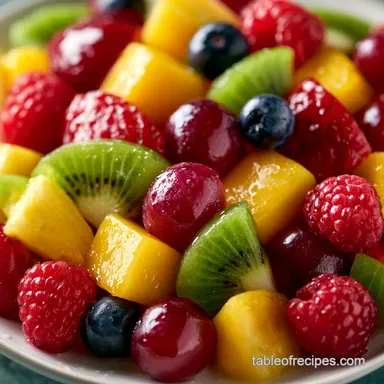
Better Fruit Salad: Bright and Zesty
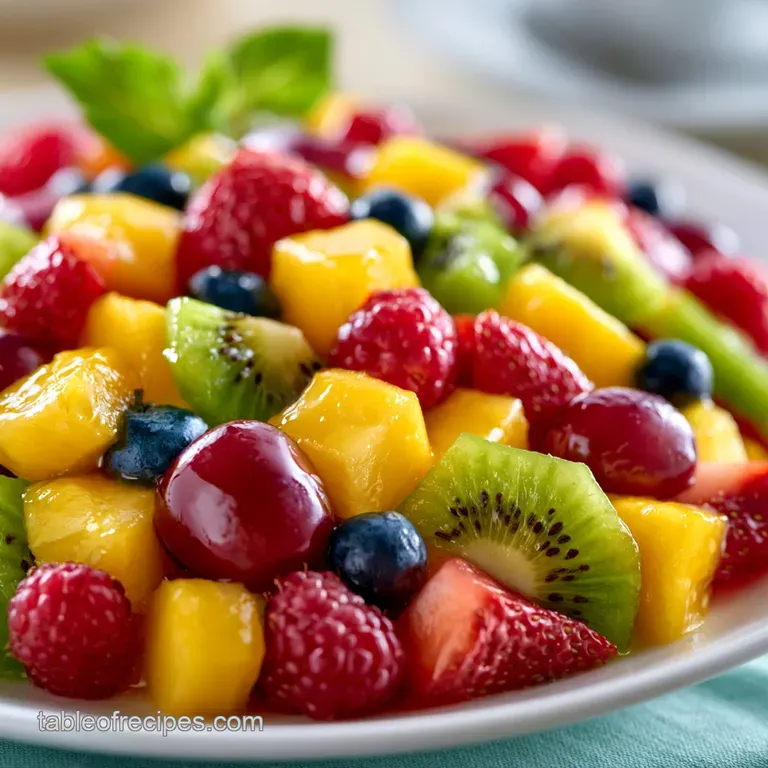
- Time:20 minutes active = Total 20 minutes
- Flavor/Texture Hook: Bright, zesty, and snap fresh
- Perfect for: Weekend brunches, baby showers, or easy meal prep
- The Secret to a Better Fruit Salad
- The Trick Behind the Texture
- Component Analysis
- Gathering Your Essentials
- Equipment Needed
- How to Make It
- Avoiding Kitchen Disasters
- Troubleshooting Common Issues
- Make It Your Own
- Freezing and Reheating Guide
- Serving Suggestions
- Storage Guidelines
- Recipe FAQs
- 📝 Recipe Card
The Secret to a Better Fruit Salad
The smell of fresh lime zest hitting a bowl of chilled mangoes is, for me, the official scent of summer. I remember this one disastrous family reunion a few years back where the fruit salad was basically a lukewarm soup of brown bananas and weeping melons. It was a tragedy in a plastic bowl.
I realized then that just tossing fruit together isn't enough if you want something that actually tastes fresh an hour later.
The key is all in the dressing and the cut. When you get the proportions right, you don't just have a bowl of chopped produce, you have a cohesive dish where every bite is balanced. This better fruit salad approach focuses on the contrast between the tart citrus and the floral sweetness of honey.
If you're looking for a way to impress guests without spending hours in the kitchen, this is it. It's the kind of side dish that looks fancy on a platter but takes almost no effort. Trust me on this, once you stop using store-bought syrups and start using a simple lime honey glaze, you'll never go back.
The Trick Behind the Texture
To get that professional look, we have to think about how the ingredients interact. Here is what's actually happening in the bowl:
- The Honey Barrier: Honey is a natural humectant. It creates a thin, velvety coating around the fruit that slows down the release of juices.
- Citrus Stabilization: Lime juice provides the acidity needed to keep the fruit from oxidizing, which is why the apples or kiwis stay bright.
- Uniform Surface Area: Cutting everything into 1/2 inch pieces ensures that the dressing hits every surface equally.
- Low Impact Mixing: Folding instead of stirring prevents the delicate blueberries from bursting and leaking purple streaks everywhere.
| Premium Fruit | Budget Alternative | Impact | Savings |
|---|---|---|---|
| Fresh Mangoes | Frozen (Thawed) | Softer texture, less "snap" | Moderate |
| Fresh Pineapple | Canned (in juice) | Sweeter, slightly mushier | Low |
| Fresh Berries | Frozen Berries | Best for smoothies, not bowls | High |
The difference between a soggy mess and a better fruit salad usually comes down to the water content of your fruit. If you use overly ripe melons or peaches, they'll collapse under the weight of the dressing. Stick to fruit that is ripe but still holds its shape when you press it.
Component Analysis
Understanding how the dressing works is the first step to mastering this. According to Serious Eats, acidity is crucial for balancing the natural sugars in fruit.
| Ingredient | Science Role | Pro Secret |
|---|---|---|
| Honey | Viscosity Agent | Use a runny honey for easier mixing |
| Lime Juice | pH Balancer | Room temp juice blends better with honey |
| Lime Zest | Aroma Booster | Rub zest into the honey for deeper flavor |
| Pineapple | Natural Enzyme | Adds a slight "tang" that cuts through sweetness |
Gathering Your Essentials
Right then, let's look at what you need. I've kept this list simple, but the quality of the fruit is everything here. If you find your blueberries are a bit tart, you can lean a little heavier on the honey.
- 1 lb fresh strawberries, hulled and quartered Why this? Adds a classic, juicy base (Sub: Raspberries, but they're more fragile)
- 1 cup fresh blueberries Why this? Provides a pop of color and texture (Sub: Blackberries)
- 2 cups fresh pineapple, cubed Why this? Tropical acidity (Sub: Mango or Papaya)
- 2 cups seedless grapes, halved Why this? Clean, crisp snap (Sub: Green apple cubes)
- 3 kiwis, peeled and sliced Why this? Vibrant green contrast (Sub: Green grapes)
- 2 large mangoes, cubed Why this? Velvety sweetness (Sub: Peach)
- 1/4 cup honey Why this? Binds the dressing (Sub: Maple syrup - adds woody notes)
- 2 tbsp fresh lime juice Why this? Brightness (Sub: Lemon juice)
- 1 tsp lime zest Why this? Concentrated oils (Sub: Orange zest)
Equipment Needed
You don't need a professional kitchen for this, but a few specific tools make the process way faster. I personally use a large glass bowl because plastic can sometimes hold onto smells from previous meals, and you want the fruit to taste clean.
A sharp chef's knife is non negotiable. If your knife is dull, you'll crush the strawberries instead of slicing them, which leads to a mushy better fruit salad. I also highly recommend a silicone spatula. It's much gentler than a metal spoon when you're folding in the berries.
How to Make It
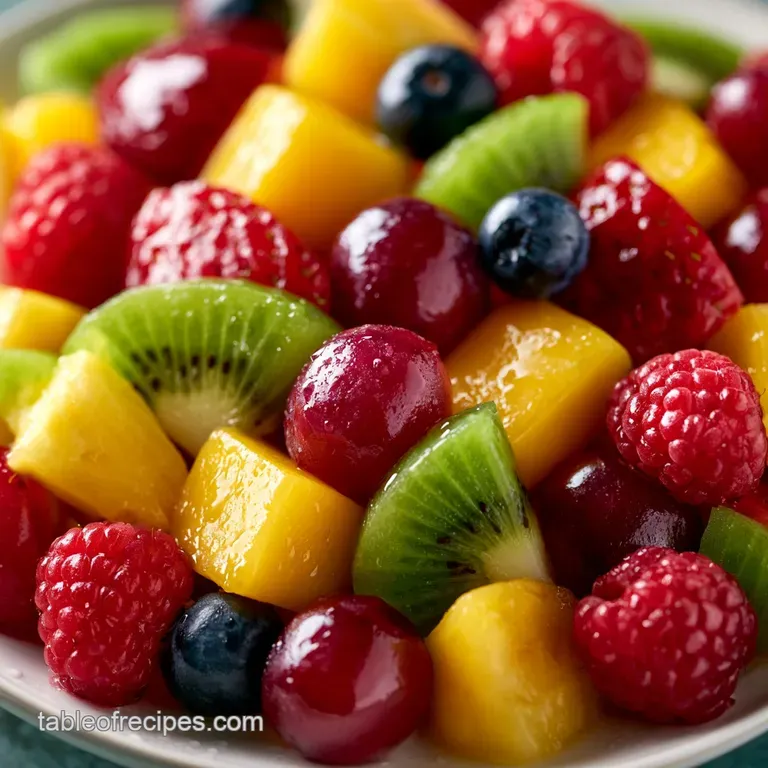
Let's crack on with the actual assembly. The goal here is precision in the cut and gentleness in the mix.
Phase 1: The Precision Prep
- Wash all fruit thoroughly under cold running water. Note: Dry them well so the dressing doesn't slide off.
- Dice the pineapple, mango, and kiwi into uniform 1/2 inch (1.3cm) pieces.
- Slice the strawberries into quarters and halve the grapes.
- Place all prepared fruit into a large glass mixing bowl.
Phase 2: Emulsifying the Glaze
- Pour the honey, lime juice, and lime zest into a small separate bowl.
- Whisk vigorously for about 1 minute until the honey is fully incorporated and the mixture is a glossy, pale gold syrup. Note: If the honey is too thick, microwave it for 5 seconds.
Phase 3: The Final Fold
- Drizzle the honey lime dressing evenly over the top of the fruit.
- Using a silicone spatula, gently fold the fruit from the bottom up.
- Repeat the folding motion 3-4 times until every piece of fruit has a slight glisten.
Chef's Tip: If you're serving this later, don't add the dressing until 30 minutes before. This keeps the fruit from releasing too much liquid.
Avoiding Kitchen Disasters
Even a simple better fruit salad can go wrong if you're not careful with the ripeness or the mixing. I've seen people turn a beautiful bowl of fruit into a purple mush just by over mixing.
Troubleshooting Common Issues
| Issue | Solution |
|---|---|
| Why Your Fruit Gets Mushy | This usually happens because the fruit was over ripe or you stirred too aggressively. When the cell walls of the fruit are already weak, the weight of the other ingredients crushes them. Use a spatula |
| Why The Dressing Separates | If your honey is cold, it won't emulsify with the lime juice. This leaves you with a glob of honey at the bottom and sour juice at the top. Always whisk until the syrup is completely smooth. |
| Why Your Fruit Is Bitter | This is almost always caused by including the white pith of the lime zest. Only grate the green outer layer. The white part contains bitter oils that can ruin the whole batch. |
Common Mistakes Checklist:
- ✓ Avoided using a metal spoon to stir berries
- ✓ Ensured fruit is dried after washing
- ✓ Cut all pieces to a uniform 1/2 inch size
- ✓ Used only the green part of the lime zest
- ✓ Whisked the dressing until glossy
Make It Your Own
Once you've mastered the basic better fruit salad, you can start playing with the combinations. If you're serving this alongside something like Honey Butter Corn, you might want to lean into a more savory sweet profile.
For a Creamy Fruit Salad If you prefer something richer, whisk in 2 tablespoons of Greek yogurt or a dollop of mascarpone to the honey lime dressing. This turns it into a velvety cream salad that feels more like a dessert.
For a Tropical Twist Swap the strawberries for chunks of fresh papaya and add a sprinkle of toasted coconut flakes on top. You could even add a pinch of chili powder for a Mexican style "Ambulancia" vibe.
For a Low Sugar Swap If you're watching your sugar, replace the honey with a splash of agave or a monk fruit syrup. Note that the thickness will change, so you might need to add a teaspoon of cornstarch slurry if you want that same glossy look.
Decision Shortcut: If you want it as a breakfast side, add a handful of fresh mint. If you want it as a dessert, serve it with a scoop of vanilla bean ice cream. If you want it for a party, use a wider, shallower platter to show off the colors.
Freezing and Reheating Guide
While you can't really "reheat" a fruit salad, you can definitely preserve the ingredients. Honestly, don't bother freezing the assembled better fruit salad; the textures will be ruined once it thaws.
If you have leftover fruit, freeze the individual pieces on a baking sheet before bagging them. These are great for smoothies or as a topping for Sourdough Blueberry Lemon Poppy Seed Muffins if you're baking them fresh.
For the dressing, you can freeze the honey lime mixture in ice cube trays. Just pop one out and melt it in the microwave when you're ready to make a fresh batch.
Serving Suggestions
To make this feel like a weekend worthy treat, presentation is everything. Instead of a deep bowl, use a wide ceramic platter. This prevents the fruit at the bottom from being crushed by the weight of the fruit on top.
Pair this with a crisp Prosecco or a chilled mint tea. If you're serving it as part of a larger brunch spread, place the bowl on a bed of ice to keep the temperature low. This ensures the fruit stays snappy and the flavors stay bright.
Storage Guidelines
Store your better fruit salad in an airtight glass container in the fridge. It'll stay fresh for about 2-3 days. After that, the fruit starts to break down and lose its structural integrity.
- Fruit Scraps
- Save the pineapple cores and mango pits. You can blend the pineapple core into a smoothie or use the mango pit to make a concentrated syrup.
- Lime Shells
- After zesting and juicing your limes, toss the peels into your compost or simmer them with water and sugar to make a simple lime syrup for drinks.
- Leftover Juice
- If you have liquid at the bottom of the bowl the next day, don't pour it out! It's a concentrated fruit syrup that's amazing drizzled over plain Greek yogurt or oatmeal.
Recipe FAQs
What can I add to a fruit salad to make it better?
Whisk together honey, lime juice, and lime zest. This creates a glossy syrup that balances the natural sugars of the mango and pineapple with a bright, acidic finish.
How to elevate your fruit salad?
Dice the pineapple, mango, and kiwi into uniform 1/2 inch pieces. Consistent sizing ensures a balanced variety of flavors in every spoonful and gives the dish a professional appearance.
Is this fruit salad suitable for diabetics?
No, this recipe contains honey. While the fresh berries and kiwis are nutrient dense, the added honey increases the overall glycemic load.
What fruit should not be mixed in fruit salad?
Exclude overripe fruits. Their weak cell walls collapse under the weight of other ingredients, which quickly leads to a mushy, unappealing texture.
Why did my fruit salad become mushy?
Aggressive stirring or overripe fruit is usually the cause. Gently fold the mixture from the bottom up using a silicone spatula to avoid crushing the delicate berries.
How to prevent the dressing from separating?
Whisk the honey and lime juice vigorously until a glossy, pale gold syrup forms. Cold honey often fails to emulsify with the juice, leaving a sticky residue at the bottom.
How long can I store fruit salad in the fridge?
Store in an airtight glass container for 2-3 days. For other fresh, fridge stable options, try our mason jar salads for easy meal prep.
Better Fruit Salad