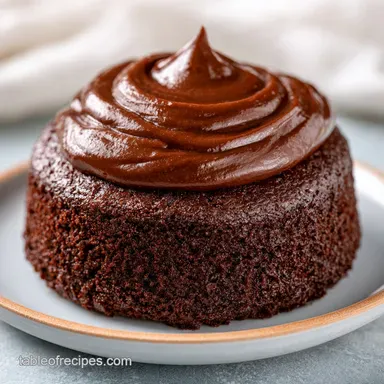
Mississippi Mud Cake: Moist and Rich
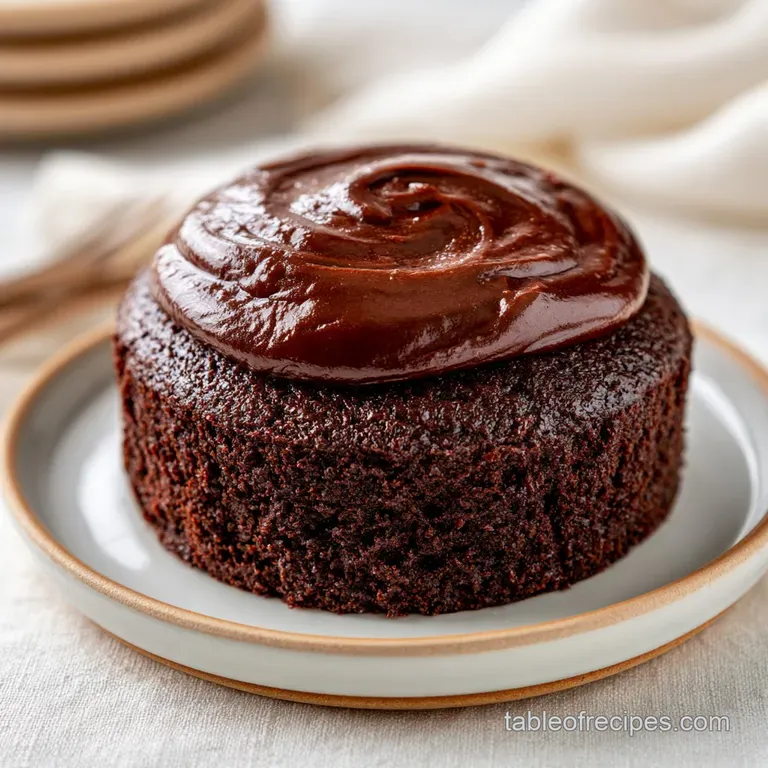
- Time: 15 min active + 30 min baking = Total 45 mins
- Flavor/Texture Hook: Velvety chocolate base with a gooey, stretchy marshmallow crown
- Perfect for: High impact dessert parties or chocolate lovers who hate "spongy" cakes
- Mississippi Mud Cake
- Hidden Truths About Mud Cakes
- Technical Baking Specifications
- Precision Ingredient List
- Essential Baking Tools
- Detailed Preparation Steps
- Cake Troubleshooting and Solutions
- Ingredient Swaps and Tweaks
- Component Analysis
- Adjusting the Batch Size
- Debunking Dessert Folklore
- Storage and Waste Management
- Recommended Flavor Pairings
- Recipe FAQs
- 📝 Recipe Card
Mississippi Mud Cake
That sharp, burnt sugar scent of scorched cocoa is something I'll never forget. Years ago, I tried to rush a chocolate cake by cranking the oven to 400°F, thinking I could just shorten the wait. The result was a tragedy: a cake that looked done on the outside but had a raw, gummy center that felt like wet clay.
It was a lesson in thermodynamics that I won't forget, proving that heat isn't just about speed, it's about the rate of protein coagulation.
The real problem most people face with a Mississippi Mud Cake is the "rubbery" texture. This happens when you over beat the batter after adding the flour, which develops too much gluten for a dessert that's supposed to be fudgy.
I've spent a lot of time analyzing the ratios of fat to flour to ensure this version stays dense and velvety without becoming a brick.
This recipe focuses on precision. We aren't eyeballing anything here. By using weights in grams and controlling the temperature of the buttermilk, we remove the guesswork. You're going to get a consistent, moist chocolate fudge cake every single time, topped with a cloud of marshmallow and a rich fudge cap that doesn't separate.
Hidden Truths About Mud Cakes
Most people think "mud" just refers to the color, but in baking, it's about the viscosity. A true Mississippi Mud Cake should have a crumb that is almost reminiscent of a brownie but with enough structure to support two additional layers of topping.
If it's too airy, the marshmallow cream will just sink into the cake, creating a soggy mess instead of a distinct layer.
The secret to that specific "muddy" feel is the high ratio of sugar and fat relative to the flour. The sugar doesn't just sweeten, it interferes with gluten development and holds onto moisture.
When we add boiling water at the end, we are essentially creating a thin batter that allows the cocoa particles to distribute evenly, ensuring no pockets of dry powder remain.
Another thing people miss is the timing of the marshmallow application. If you wait until the cake is completely cold, the marshmallow cream stays as a separate, sticky glob. If you apply it while the cake is still radiating heat, the bottom of the marshmallow layer melts slightly into the top of the cake, creating a structural bond that keeps the layers from sliding off when you slice it.
Technical Baking Specifications
To get this right, you need to hit specific checkpoints. Precision is the difference between a cake and a pudding.
Precision Checkpoints:
- Batter Temperature: The final batter should be warm to the touch (around 50-60°C) after adding the boiling water.
- Internal Temp: The cake is done when the center reaches 98°C (208°F) or a toothpick shows moist crumbs.
- Resting Window: Apply the marshmallow layer exactly 5-10 minutes after removal from the oven.
Comparison: Method Impact
| Feature | Cake Mix Method | Scratch Method (This Recipe) | Impact |
|---|---|---|---|
| Texture | Spongy/Airy | Dense/Velvety | Scratch is more fudge like |
| Flavor | Artificial Vanilla | Deep Cocoa | Scratch has more complexity |
| Stability | High | Medium High | Scratch requires precise timing |
Precision Ingredient List
I highly recommend using a digital scale. Volume measurements for flour can vary by as much as 20% depending on how you pack the cup, which can lead to a dry cake.
For the Base
- 2 cups (250g) all purpose flourWhy this? Provides the necessary structure without being too heavy
- 2 cups (400g) granulated sugarWhy this? Ensures a tender crumb and moist texture
- 3/4 cup (75g) unsweetened cocoa powderWhy this? High cocoa content for a deep, dark color
- 2 tsp (10g) baking sodaWhy this? Reacts with buttermilk for lift
- 1 tsp (5g) baking powderWhy this? Provides a secondary, stable rise
- 1 tsp (5g) saltWhy this? Balances the sweetness and enhances chocolate
- 1 cup (240ml) buttermilk, room temperatureWhy this? The acid tenderizes the gluten
- 1/2 cup (115g) vegetable oilWhy this? Keeps the cake moist even when chilled
- 2 large eggsWhy this? Binds the ingredients and adds richness
- 1 tsp (5ml) vanilla extractWhy this? Rounds out the chocolate flavor
- 1 cup (240ml) boiling waterWhy this? Blooms the cocoa powder
For the Toppings
- 1 jar (225g) marshmallow cream (or 2 cups/100g mini marshmallows)
- 1/2 cup (60g) chopped pecans
- 1/2 cup (115g) unsalted butter
- 1/2 cup (120ml) whole milk
- 1/4 cup (25g) unsweetened cocoa powder
- 3 cups (600g) powdered sugar
- 1 tsp (5ml) vanilla extract
Essential Baking Tools
You don't need a professional kitchen, but a few specific tools make this process more analytical and less chaotic.
- 9x13 inch baking pan: This is non negotiable for the correct thickness. A larger pan will result in a thin, overbaked cake.
- Sifter or Fine Mesh Strainer: Cocoa powder is notorious for clumps. Sifting ensures the "mud" is smooth, not lumpy.
- Digital Kitchen Scale: For measuring the flour and sugar to the gram.
- Whisk and Rubber Spatula: A whisk for the dry ingredients, a spatula for folding in the boiling water.
- Instant Read Thermometer: If you want to be 100% sure about the doneness.
Detailed Preparation Steps
Follow these steps in order. The sequence of adding liquids to solids is critical for the final texture of the Mississippi Mud Cake.
- Sift Dry Components. Combine 250g flour, 400g sugar, 75g cocoa, 10g baking soda, 5g baking powder, and 5g salt in a large bowl. Note: Sifting prevents cocoa clumps from creating bitter pockets.
- Combine Wet Ingredients. Add 240ml buttermilk, 115g oil, 2 eggs, and 5ml vanilla to the dry mixture.
- Mix Batter. Beat on medium speed until combined. Stop as soon as the streaks of flour disappear to avoid over developing gluten.
- Bloom Cocoa. Carefully stir in 240ml boiling water by hand. Note: This process, often called "blooming", releases the full aromatic potential of the cocoa according to Serious Eats.
- Prepare Pan. Pour the thin batter into a greased 9x13 inch pan.
- Bake Base. Bake at 350°F (175°C) for 25–30 minutes until a toothpick comes out with just a few moist crumbs.
- Apply Marshmallow. While the cake is still warm (5-10 mins out of oven), spread the 225g marshmallow cream evenly across the top.
- Create Fudge. In a saucepan, melt 115g butter and 120ml milk. Stir in 25g cocoa and 600g powdered sugar over medium heat.
- Final Finish. Beat in 5ml vanilla, pour the hot fudge over the marshmallow layer, and sprinkle with 60g chopped pecans.
Cake Troubleshooting and Solutions
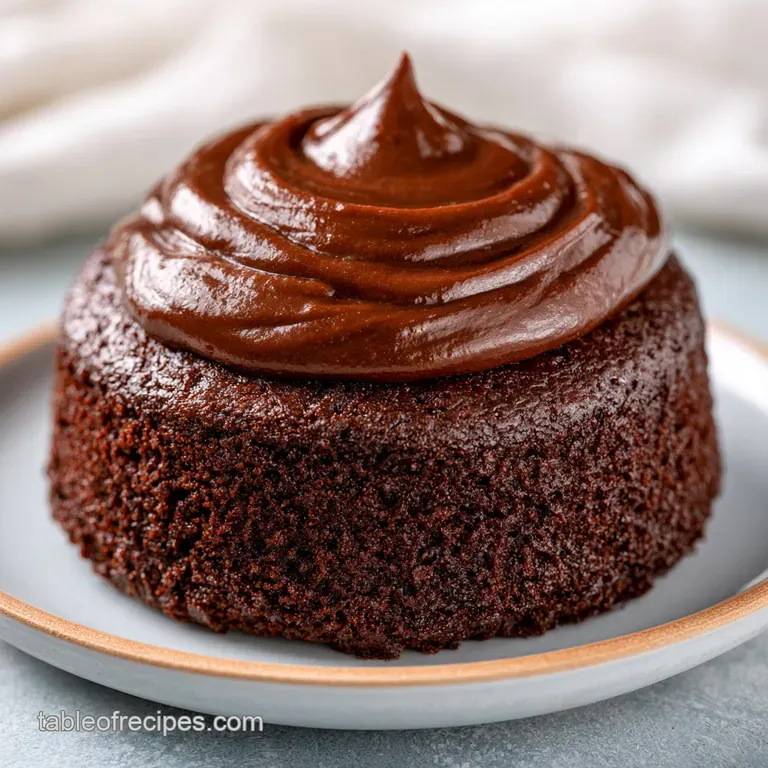
Even with precision, variables like oven calibration can throw things off. If your Mississippi Mud Cake isn't behaving, it's usually a chemistry issue.
| Issue | Solution |
|---|---|
| Cake Sinking | This is usually caused by too much leavening or opening the oven door too early. The sudden drop in temperature causes the air bubbles to collapse before the flour structure has set. |
| Why Did the Fudge Separate | If the butter and milk are boiled too aggressively, the emulsion breaks. The fat separates from the solids, leaving a greasy film on top of the fudge. |
| Why Is the Texture Rubbery | You likely over mixed the batter after adding the flour. This creates a strong gluten network, which is great for sourdough bread but terrible for a moist chocolate fudge cake. Troubleshooting Quick |
Common Mistakes Checklist
- ✓ Did you sift the cocoa powder? (Prevents lumps)
- ✓ Is the buttermilk at room temperature? (Prevents batter separation)
- ✓ Did you stop mixing immediately after ingredients combined? (Prevents rubberiness)
- ✓ Did you use boiling water, not just hot tap water? (Ensures cocoa blooming)
- ✓ Was the pan exactly 9x13 inches? (Ensures correct height)
Ingredient Swaps and Tweaks
While precision is key, some adaptations are possible. However, changing the fat or acid source will alter the final crumb of the Mississippi Mud Cake.
Substitution Guide
| Original Ingredient | Substitute | Why It Works |
|---|---|---|
| Buttermilk (240ml) | 240ml milk + 1 tbsp lemon juice | Mimics the acidity of buttermilk. Note: Slightly less creamy texture |
| Vegetable Oil (115g) | Melted Unsalted Butter (115g) | Adds a richer, buttery taste. Note: Cake may be slightly denser |
| Granulated Sugar (400g) | Brown Sugar (400g) | Adds a molasses note and more moisture. Note: Changes color to darker brown |
| Pecans (60g) | Walnuts or Almonds | Similar crunch and fat content. Note: Almonds are milder in flavor |
If you're looking for other chocolate heavy desserts, my Red Velvet Swirl Cake uses a similar acidity based lift but offers a tangier profile.
For those who want a different twist, you can add a tablespoon of instant espresso powder to the dry ingredients. The coffee doesn't make the cake taste like a latte, but it acts as a flavor enhancer for the cocoa, making the chocolate taste "darker" and more intense.
This is a common trick used in high end bakeries to deepen the profile of a moist chocolate fudge cake.
Component Analysis
To understand why this works, we have to look at the interaction of the ingredients. This isn't just a list; it's a chemical system.
The Logic of the Build
- The Acid Base Reaction: Buttermilk is acidic. When it hits the baking soda (a base), it creates carbon dioxide gas. This is what gives the Mississippi Mud Cake its initial lift. According to the USDA FoodData, the lactic acid in buttermilk is what provides this specific reaction.
- The Fat Barrier: The vegetable oil coats the flour proteins, preventing them from bonding too tightly. This ensures the cake feels velvety rather than bready.
- The Sugar Hygroscopy: Sugar is hygroscopic, meaning it attracts and holds water. This is why the cake stays moist for days without drying out.
- The Starch Gelatinization: The boiling water quickly gelatinizes some of the starches in the flour, creating a more cohesive, "muddy" structure that supports the weight of the fudge.
Adjusting the Batch Size
Scaling a cake isn't as simple as doubling the numbers. You have to account for surface area and heat distribution.
Scaling Down (Half Batch) Use an 8x8 inch square pan. Reduce the baking time by about 20%, starting to check at 20 minutes. For the eggs, beat one egg in a small bowl and use exactly half of it by weight (about 25g).
Scaling Up (Double Batch) Do not double the baking soda or baking powder linearly; use 1.5x the amount to avoid a metallic taste or a cake that rises and then crashes. Work in batches for the fudge topping to ensure it doesn't burn on the bottom of the pan.
If you are doubling the cake base, lower the oven temperature by 10°C (approx 25°F) and extend the baking time to ensure the center cooks without burning the edges.
Precision Table for Scaling
| Batch Size | Pan Size | Bake Temp | Est. Bake Time |
|---|---|---|---|
| 1/2 Batch | 8x8 inch | 175°C | 20-25 mins |
| Full Batch | 9x13 inch | 175°C | 25-30 mins |
| 2x Batch | Two 9x13s | 165°C | 35-40 mins |
Debunking Dessert Folklore
There are a few myths about the Mississippi Mud Cake that often lead people to make mistakes. Let's set the record straight.
Myth: Using butter instead of oil makes the cake "moister." Actually, oil is a liquid at room temperature, while butter is a solid. This means oil based cakes feel more velvety and moist on the tongue, especially when stored in the fridge. Butter adds flavor, but oil adds the specific "mud" texture.
Myth: You must use a cake mix to get the "authentic" texture. Some versions use cake mix for convenience, but a from scratch Mississippi Mud Cake recipe allows you to control the cocoa to sugar ratio. This results in a more sophisticated, less cloying flavor that doesn't rely on artificial stabilizers.
Myth: The cake must be completely cooled before frosting. In this specific recipe, that's a mistake. The marshmallow layer requires the residual heat of the cake to bond properly. If the cake is cold, the layers will separate, and you'll end up with a slide of fudge on top of a cold sponge.
Storage and Waste Management
Because of the high sugar and fat content, this cake has a decent shelf life, but the marshmallow and fudge layers can be temperamental.
Storage Guidelines Store the cake in an airtight container in the refrigerator for up to 5 days. The fudge will firm up, giving the cake a more truffle like consistency.
To serve, you can either eat it cold for a dense feel or let it sit at room temperature for 30 minutes to regain that gooey texture.
Freezing Instructions You can freeze slices of Mississippi Mud Cake for up to 3 months. Wrap each slice tightly in plastic wrap and then place them in a freezer bag. To reheat, let a slice thaw in the fridge overnight, then microwave for 15-20 seconds.
This will make the marshmallow layer stretchy again.
Zero Waste Tips If you have leftover fudge topping, don't throw it away. It makes an incredible dip for sliced apples or strawberries. Alternatively, you can stir a spoonful of the fudge into your morning coffee for a mocha style treat.
If you have leftover pecans, toast them in a pan and store them in the freezer for your next batch of cookies.
Recommended Flavor Pairings
A dessert this rich needs something to cut through the density. If you serve it as is, it can be overwhelming.
The Beverage Balance A strong, black coffee or a dark roast espresso is the best match. The bitterness of the coffee offsets the sweetness of the marshmallow and powdered sugar. For a non caffeinated option, a tart raspberry tea provides a bright acidity that cleanses the palate between bites.
The Complementary Side I highly recommend serving a slice with a side of fresh berries. A Berry Cheesecake Fruit Salad provides the perfect contrast the tartness of the berries and the lightness of the fruit balance the heavy, fudgy nature of the cake.
Experimental Additions If you want to push the boundaries, try adding a pinch of flaky sea salt to the top of the fudge before it sets. The salt crystals shatter the sweetness and highlight the cocoa's natural earthiness, turning a homey dessert into something that feels a bit more refined.
Recipe FAQs
What is a Mississippi Mud Cake?
A rich, dense chocolate cake topped with marshmallow and fudge. It combines a moist cocoa based sponge with gooey layers for a decadent, truffle like dessert.
Is this cake safe for diabetics or those with high cholesterol?
No, this recipe is not suitable for these dietary restrictions. It contains significant amounts of granulated sugar, powdered sugar, and butter.
How to store Mississippi Mud Cake?
Place the cake in an airtight container in the refrigerator for up to 5 days. Let slices sit at room temperature for 30 minutes before serving to regain the gooey texture.
Why is the cake batter so thin before baking?
The boiling water creates this thin consistency. This step is essential to bloom the cocoa powder and ensure the final crumb is moist and tender.
Can I use mini marshmallows instead of marshmallow cream?
Yes, you can. Use 2 cups of mini marshmallows as a direct substitute for one jar of marshmallow cream.
How to freeze the cake for later?
Wrap individual slices tightly in plastic wrap. Store them in a freezer safe container for up to 3 months.
Should I let the cake cool completely before adding the marshmallow cream?
No, apply the topping while the cake is still warm. Spread the cream evenly across the top about 5-10 minutes after removing the cake from the oven.
Mississippi Mud Cake