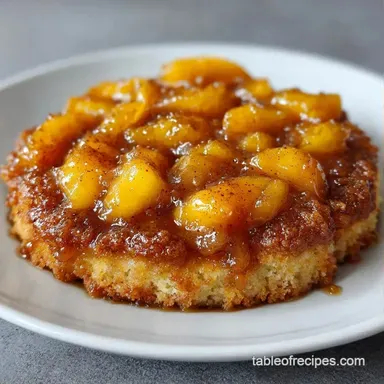
Old Fashioned Self Rising Flour Cobbler: Golden
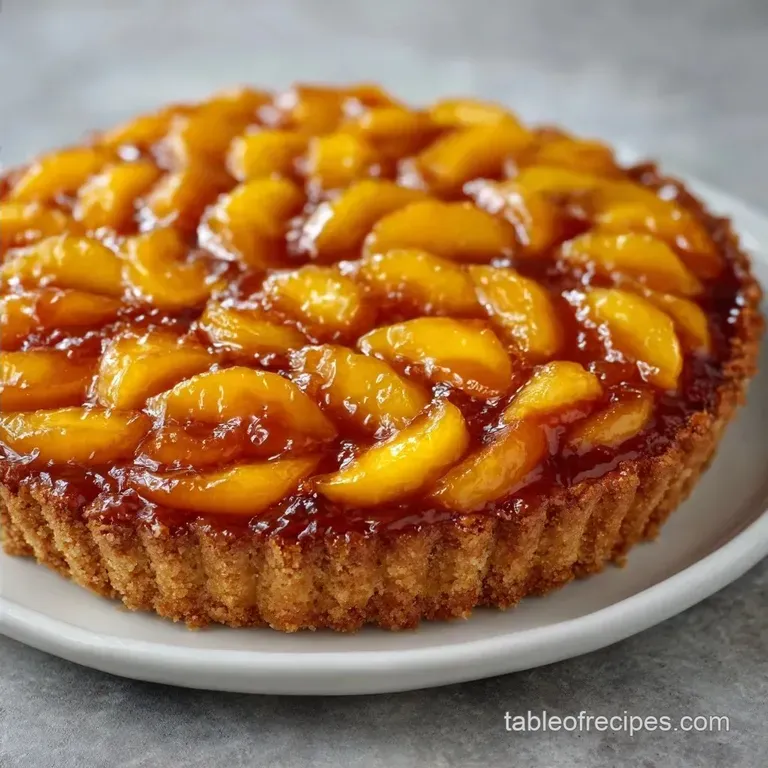
- Time: 10 min active + 60 min baking
- Flavor/Texture Hook: Deep mahogany gold crust with jammy, bubbling fruit
- Perfect for: Summer family gatherings or a comforting Sunday dessert
- Flour Cobbler Precision Guide
- Quick Recipe Specs
- Necessary Pantry Staples
- Required Baking Tools
- The Step-by-Step Process
- Fixing Common Textural Issues
- Troubleshooting Common Issues
- Flavor and Fruit Swaps
- Scaling Guidelines
- Common Baking Myths
- Storage and Reheating
- Best Side Pairings
- Recipe FAQs
- 📝 Recipe Card
Ever pulled a dessert out of the oven only to find the top is as rubbery as a pencil eraser? It happens when you overmix the batter, developing too much gluten. I used to think the fruit was the problem, but the real issue was the mechanical action of the stirring.
This recipe solves that. We're aiming for a specific chemical balance where the batter stays tender and the fruit stays thick. You'll get a soft, slightly sweet crust that sits right on top of the peaches without turning into a soggy mess.
When you make this Flour Cobbler, you're essentially creating a quick bread topping. It's a lean approach to baking that relies on the acidity of the lemon juice and the lift of the self rising flour to do the heavy lifting.
Flour Cobbler Precision Guide
Right then, let's talk about why this version actually holds its structure. Most people just eyeball their batter, but precision is where the win is.
The Leavening: Using self rising flour removes the guesswork because the baking powder is already evenly distributed throughout the grain. This ensures a consistent rise across the whole 9x13 pan.
The Fat Ratio: Melted butter integrates into the milk and flour more quickly than cold cubes. This creates a more uniform, silky batter that spreads evenly over the fruit.
Fruit Maceration: Letting the peaches sit with sugar for 10 minutes isn't just for flavor. It draws out the water and creates a syrup that thickens during the 60 minute bake.
| Method | Time | Texture | Best For |
|---|---|---|---|
| Fast Batter | 70 mins | Cake like, soft | Weeknight cravings |
| Classic Biscuit | 90 mins | Craggier, flaky | Traditional holidays |
Quick Recipe Specs
The chemistry of a Flour Cobbler depends on the temperature. Keep your oven at exactly 350°F (175°C). If the oven is too hot, the edges will burn before the center of the batter sets.
For the best results, use a 9x13 inch baking dish. If you use a deeper dish, the fruit to batter ratio changes, and you might end up with a gummy bottom. Stick to the dimensions to keep the bake time at 60 minutes.
Necessary Pantry Staples
The ingredients here are basic, but their roles are specific. I've listed the exact weights because that's how you get the same result every single time.
| Ingredient | What It Does | Best Swap |
|---|---|---|
| Self Rising Flour | Provides structure and lift | AP flour + baking powder/salt |
| Unsalted Butter | Adds richness and tenderness | Coconut oil (adds coconut scent) |
| Whole Milk | Hydrates the flour and softens crumb | Buttermilk (adds tang/more lift) |
| Fresh Peaches | Provides bulk and natural acidity | Fresh blackberries or nectarines |
Ingredients List:
- 6 cups (900g) fresh peaches, slicedWhy this? High pectin content helps the sauce thicken.
- 1/2 cup (100g) granulated sugar
- 1 tbsp (15ml) lemon juiceWhy this? Balances sweetness and prevents browning.
- 1 tsp (2g) ground cinnamon
- 1/2 cup (113g) unsalted butter, melted
- 2 cups (250g) self rising flourWhy this? Guaranteed consistent leavening.
- 1 cup (200g) granulated sugar
- 1 cup (240ml) whole milk
- 1 tbsp (15ml) melted butter
Required Baking Tools
You don't need a fancy arsenal for this. A 9x13 inch baking pan is the only non negotiable. If you use a round cake pan, you'll need to increase the bake time by about 10-15 minutes.
A whisk is better than a fork for the batter. You want to get the lumps out of the flour quickly so you don't overwork the gluten. A large mixing bowl for the peaches is also a must to avoid bruising the fruit.
The step-by-step Process
Let's get into the actual build. Precision here prevents the common "soggy middle" syndrome.
Phase 1: Prepping the Fruit
- Preheat your oven to 350°F (175°C).
- Toss the sliced peaches with 1/2 cup sugar, lemon juice, and cinnamon in a bowl.
- Let the fruit sit for 10 minutes until a syrupy liquid forms at the bottom. Note: This is the maceration phase.
- Pour the fruit into the 9x13 inch dish and spread it into a single layer.
Phase 2: Creating the Batter
- Whisk the self rising flour and 1 cup sugar in a bowl until no lumps remain.
- Stir in the milk and 1/2 cup melted butter. Stop stirring as soon as the flour disappears. Note: Overmixing causes the rubbery texture.
Phase 3: Assembly and Baking
- Pour the batter evenly over the peaches without stirring them into the mix.
- Bake for 50–60 minutes until the top is a deep mahogany gold and the edges are bubbling.
- Let it cool for 15 minutes until the sauce thickens and stops moving.
Fixing Common Textural Issues
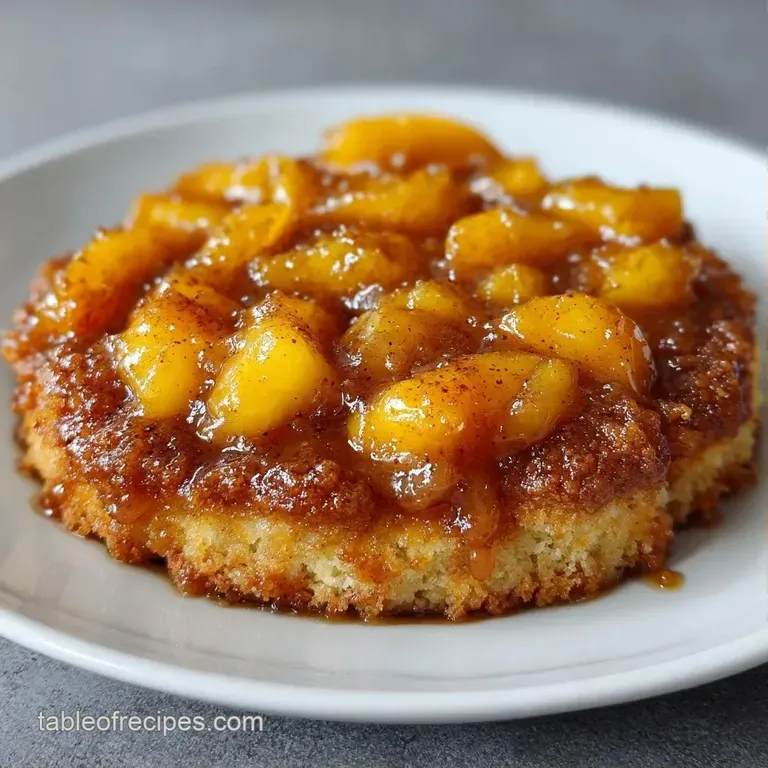
If your Flour Cobbler doesn't look like the picture, it's usually a temperature or mixing error. Most people panic and stir the batter too much, which is the biggest mistake you can make.
Troubleshooting Common Issues
| Issue | Solution |
|---|---|
| Why Your Crust Is Rubbery | This happens because of too much gluten development. If you whisk the batter for minutes instead of seconds, you're creating a bread like structure instead of a cake like one. |
| Why Your Bottom Is Soggy | Too much fruit or not enough maceration time usually causes this. If the fruit doesn't release its juices before going in the oven, it releases them into the batter during the bake. |
| Why Your Top Is Pale | Your oven might be running cold. If the 60 minute mark hits and it's still pale, your internal temp is likely below 350°F. |
Flavor and Fruit Swaps
You can easily pivot this into a Self Rising Flour Cobbler using different fruits. The ratios stay the same, but the moisture levels change. For a Cobbler in 45 Minutes recipe, you'll find the berries break down faster than peaches.
If you want a more autumnal vibe, add a pinch of nutmeg or ginger to the fruit. For a Blackberry Cobbler for 6 recipe, the tartness of the berries pairs better with a slightly higher sugar ratio in the crust.
Decision Shortcut:
- If you want a jammy base, increase the maceration time to 20 minutes.
- If you want a crispier top, sprinkle 1 tablespoon of coarse sugar on the batter before baking.
- If you want a denser crust, swap whole milk for heavy cream.
Scaling Guidelines
When you're making a Rising Flour Cobbler for a crowd, don't just double everything blindly.
Scaling Down (Half Batch): Use an 8x8 inch square pan. Reduce the baking time by about 15-20%. Since you can't easily halve an egg (though this recipe doesn't use one), just halve the liquid and flour by weight.
Scaling Up (Double Batch): Use two 9x13 pans rather than one giant deep pan. If you pile the fruit too high, the middle will never cook through. Keep the spices at 1.5x rather than 2x to avoid an overpowering cinnamon taste.
Common Baking Myths
Searing or pre cooking fruit on the stove is not necessary. Many people think this prevents sogginess, but it actually destroys the fruit's structure. Macerating with sugar is enough to control the moisture.
Another myth is that you need to "cut in" the butter for a cobbler. While that works for a biscuit style crust, this specific Flour Cobbler relies on melted butter for that soft, cakey consistency. Cutting in cold butter would change the entire texture.
Storage and Reheating
Store leftovers in an airtight container in the fridge for up to 4 days. The crust will soften as it absorbs moisture from the fruit, which is normal.
For reheating, avoid the microwave if you want any semblance of texture. Put a slice in a 300°F oven for 10 minutes. This helps the sugars in the crust re set.
Zero Waste Tip: Don't toss the peach skins or the leftover syrup in the bowl. The syrup can be drizzled over vanilla ice cream, and the skins can be simmered with a bit of sugar and water to make a quick peach syrup for pancakes.
Best Side Pairings
The acidity of the fruit in this Flour Cobbler means it needs something creamy to balance it out. A scoop of high-quality vanilla bean ice cream is the classic move because the cold cream cuts through the hot, jammy peaches.
If you want something lighter, try a dollop of unsweetened whipped cream or a side of Greek yogurt. The tanginess of the yogurt highlights the lemon juice in the fruit base. For a real treat, serve it with a glass of cold buttermilk to keep things traditional.
Recipe FAQs
Can you use self rising flour for cobbler?
Yes, it is the required flour for this recipe. It contains the built-in leavening agents necessary to make the topping rise without adding extra baking powder.
What happens if you use self rising flour instead of regular flour?
The crust becomes light and airy. If you used regular all-purpose flour without adding leavening, the topping would remain flat and dense.
How do you know when a cobbler is done?
Check for a deep mahogany gold crust and bubbling fruit. These visual cues indicate that the batter is fully baked and the fruit juices have thickened.
What is the difference between cobbler and pie?
The topping is the primary difference. While pies feature a rolled pastry crust, a cobbler uses a dropped biscuit or cake like batter on top.
How do you prevent a soggy bottom?
Allow the fruit to macerate for 5 10 minutes. This ensures the fruit releases its juices before entering the oven rather than leaking them into the batter during the bake.
Is it true that whisking the batter longer makes it fluffier?
No, this is a common misconception. Over whisking develops too much gluten, which transforms a tender, cake like crust into a rubbery, bread like structure.
What other easy desserts use similar layering techniques?
Try a dump cake for a similar experience. If you enjoyed the effortless layering technique used here, see how the same principle works in our lemon dump cake.
Self Rising Flour Cobbler