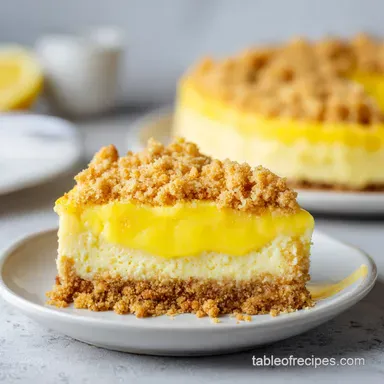
Lemon Cream Cheese Dump Cake: Failure-Proof
- Time:15 minutes active + 45 minutes baking = Total 60 minutes
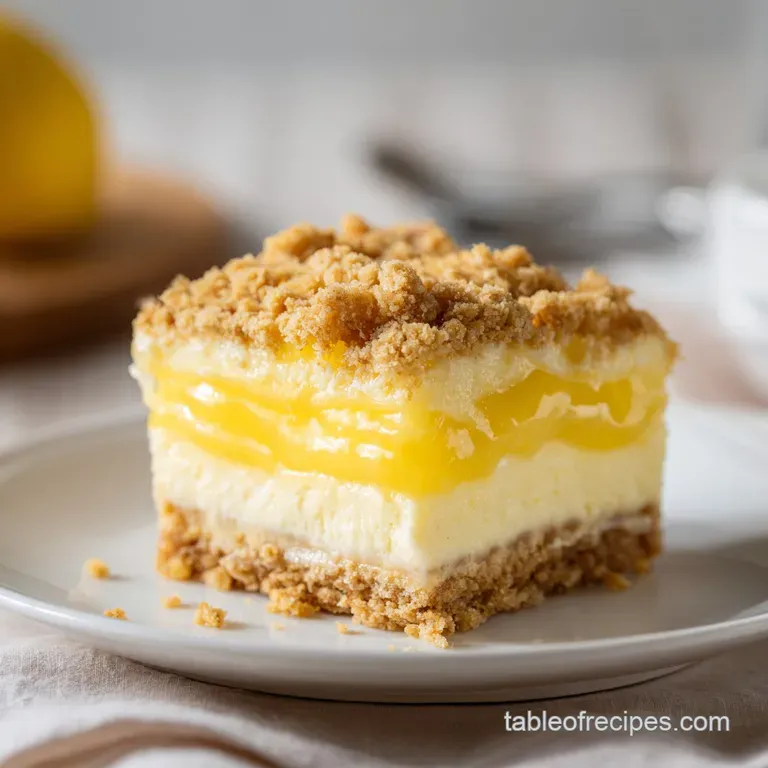
- Flavor/Texture Hook: Velvety cream cheese center with a shatter crisp lemon topping
- Perfect for: Potlucks, beginner bakers, or citrus cravers
That sharp, citrusy scent hitting you the second you open the oven is something else. But let me tell you about the time I almost gave up on this. I once tried a version where I just dumped everything in a heap, and I ended up with a rubbery slab of cream cheese sitting on top of a lukewarm lemon soup.
It was a disaster. The texture was all wrong, and the topping was powdery, like I was eating sweetened flour.
The trick is in the layering and the way the fat interacts with the cake mix. I spent way too much time obsessing over why some dump cakes stay mushy while others get that gorgeous, crackly top. Once I realized that the melted butter needs to be physically worked into the dry mix, everything changed.
You can expect a treat that's tangy, rich, and has that specific "homemade" feel without the stress of a traditional cake. This lemon cream cheese dump cake is all about precision in the assembly to get that velvety middle and the golden crust. Let's get into how to actually make it work.
Why This Lemon Cream Cheese Dump Cake Works
When you're dealing with "dump" recipes, it's easy to think the physics don't matter, but they absolutely do. If you don't manage the moisture migration, you get a gummy center.
The Moisture Barrier: The beaten cream cheese layer acts as a structural wall. It prevents the wet lemon pie filling from soaking directly into the cake mix, which is why the top stays crispy instead of becoming a sponge.
Fat Distribution: Drizzling melted butter and poking it into the flour pockets creates "clumps" of dough. These clumps bake into a crumble rather than a flat sheet, giving you that shatter texture.
Acid Stabilization: The citric acid in the lemon filling interacts with the proteins in the egg and cream cheese. This helps the middle layer set firmly so it doesn't sink into the filling during the 45 minutes in the oven.
Sugar Caramelization: The powdered sugar in the cheese layer and the sugar in the cake mix concentrate as water evaporates. This is what creates the deep golden brown color on the surface.
| Method | Time | Texture | Best For |
|---|---|---|---|
| Standard Oven | 60 mins | Shatter crisp top, set center | Maximum contrast and browning |
| Slow Cooker | 3-4 hours | Soft, cobbler like consistency | Low stress, moist dessert |
| Air Fryer | 25 mins | Extra crunchy edges | Small batches/single servings |
Component Analysis
| Ingredient | Science Role | Pro Secret |
|---|---|---|
| Cream Cheese | Structural Stabilizer | Must be room temp to avoid "protein lumps" |
| Lemon Cake Mix | Starch/Binder | Poke butter into it to create "cobbler" nuggets |
| Lemon Pie Filling | Moisture Source | Add fresh zest to cut through the canned sweetness |
| Melted Butter | Fat Medium | Use unsalted to control the salt to acid balance |
Ingredient Analysis
Right then, let's look at the gear. I've found that using full fat ingredients is non negotiable here. If you use low-fat cream cheese, the moisture content is higher, and your middle layer will likely collapse or weep water into the crust.
- 2 cans (822g) lemon pie filling Why this? Provides consistent acidity and thickness
- Substitute: Fresh lemon curd (will be more tart, less thick)
- 1 tbsp (6g) fresh lemon zest Why this? Adds essential oils for a punchy aroma
- Substitute: 1/2 tsp lemon extract (less aromatic)
- 8 oz (225g) cream cheese, softened Why this? Creates the velvety middle barrier
- Substitute: Mascarpone (richer, less tangy)
- 1 large egg (50g) Why this? Binds the cheese layer so it sets
- Substitute: 1/4 cup Greek yogurt (will be softer/less stable)
- 1/4 cup (30g) powdered sugar Why this? Dissolves instantly for a smooth texture
- Substitute: Granulated sugar (can leave a grainy texture)
- 1 box (432g) lemon cake mix Why this? All in-one binder and sweetener
- Substitute: Homemade lemon cake batter (more work, denser crumb)
- 1/2 cup (115g) unsalted butter, melted Why this? Creates the golden, crispy crumble
- Substitute: Coconut oil (adds a slight coconut note)
Essential Kitchen Gear
You don't need a laboratory, but a few specific tools make this a lot easier. Trust me, trying to spread cold cream cheese with a spoon is a nightmare.
First, you'll need a 9x13 inch baking pan. Glass or ceramic works best because they hold heat evenly. If you use a metal pan, keep a close eye on the edges, as they tend to brown faster.
For the cream cheese layer, a hand mixer or a stand mixer such as KitchenAid is your best bet. You want that mixture to be airy and smooth. If you see lumps, keep beating. Lumps in the cheese layer create air pockets that can cause the cake mix to sink.
Finally, grab a fork. I know it sounds basic, but the fork is the secret tool for the "poke" method. Using a spoon just pushes the flour around, whereas a fork creates those little vertical channels for the butter to penetrate.
Step-by-step Assembly
Follow these steps exactly. I've included some numeric checkpoints to make sure you're on the right track.
- Preheat your oven to 350°F (180°C). Note: Ensure the rack is in the center for even heat.
- Spread the lemon pie filling evenly across the bottom of your 9x13 inch baking pan. Stir in the fresh lemon zest using a spatula until fully integrated.
- Beat the softened cream cheese, egg, and powdered sugar in a bowl. Process until the mixture is smooth and airy with no visible lumps.
- Dollop the cream cheese mixture over the lemon filling. Gently spread it with a spatula to cover the surface until a velvety, even layer is formed.
- Sprinkle the dry lemon cake mix evenly over the cream cheese layer. Do not press it down; just let it sit on top.
- Drizzle the melted butter across the top of the cake mix.
- Use a fork to lightly poke the butter into the flour pockets. Note: This creates the "clumps" needed for the crumble.
- Bake for 45 minutes until the top is a deep golden brown and the edges are bubbling.
- Remove from the oven and let it cool for at least 20 minutes. Note: This allows the cream cheese layer to fully set.
Solving Common Texture Issues
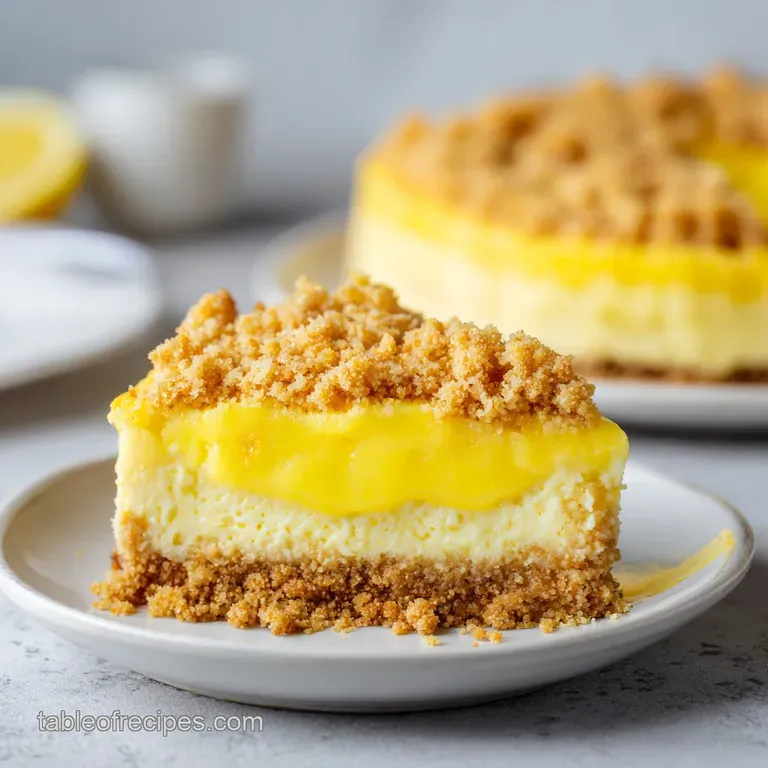
The biggest struggle with this recipe is usually the "soggy center" or "powdery top." Both are caused by moisture imbalance. If the butter isn't distributed, you'll have dry flour patches. If the cream cheese isn't beaten properly, the filling will seep through.
Troubleshooting Common Issues
| Issue | Solution |
|---|---|
| Why Your Topping Is Powdery | This happens when the melted butter doesn't reach the bottom of the cake mix layer. If you just pour the butter on top, the flour underneath stays dry. Use the fork poke method to ensure every bit of |
| Why Your Center Is Mushy | Usually, this is due to underbaking or using frozen pie filling that hasn't reached room temperature. Ensure your oven is truly at 350°F (180°C) and the edges are visibly bubbling before you pull it o |
| Why Your Cheese Layer Sunk | This happens if the cream cheese was too warm or if you didn't use an egg. The egg provides the protein structure that holds the cheese up against the weight of the cake mix. |
Texture Success Checklist:
- ✓ Cream cheese is room temp (approx 65-70°F) before mixing
- ✓ Butter is melted but not boiling
- ✓ Cake mix is sprinkled, not pressed
- ✓ Pan is removed only after 45 minutes of baking
- ✓ Rested for 20 mins before slicing
Customizing Your Bake
If you want to tweak this, start with the filling. While the lemon is classic, you can actually swap the pie filling for something else. If you're in a mood for something more complex, you might enjoy the flavor profile of Sourdough Blueberry Lemon Muffins, which uses a similar acid to sweet balance.
For a more "old fashioned" feel, you can substitute the cake mix with a homemade flour, sugar, and baking powder blend. Just be aware that the texture will be denser and less "crumbly" than the box version.
If you prefer a less sweet result, reduce the powdered sugar in the cream cheese layer to 2 tablespoons. The tartness of the lemon pie filling will become more prominent, creating a sharper contrast with the rich cheese.
Decision Shortcut: If you want it tangier → Add 1 tsp of lemon juice to the cheese layer. If you want it crunchier → Add 1/4 cup of sliced almonds to the top before baking. If you want it creamier → Swap 2 oz of cream cheese for mascarpone.
Preservation and Reheating
This cake is best served slightly warm or chilled, depending on your preference. Because of the cream cheese and egg, it must be stored in the fridge.
Store any leftovers in an airtight container in the refrigerator for up to 5 days. If you're looking for other crumbly treats to store, my Apple Crisp recipe follows a similar storage logic, though it doesn't require refrigeration.
To reheat, avoid the microwave if you want to keep the crust crispy. Instead, pop a slice in a 300°F (150°C) oven for about 5-10 minutes. This re melts the fats in the crumble and restores that shatter texture.
For freezing, I don't recommend freezing the whole cake. Instead, slice it first and freeze individual portions wrapped in parchment paper and foil. They'll last about 3 months. Thaw in the fridge overnight before reheating in the oven.
Complementary Pairings
Since this is a very rich, sweet, and tart dessert, you need something to cut through the density. A dollop of unsweetened whipped cream is the gold standard here. The airiness of the cream balances the heaviness of the cheese.
Fresh berries, especially raspberries or blueberries, provide a fresh, acidic pop that complements the lemon. I like to arrange them around the plate to add some color.
If you're serving this at a party, pair it with a strong, bitter coffee or a tart iced tea. The bitterness of the coffee cleanses the palate between bites of the velvety cream cheese, making each spoonful taste as impactful as the first.
Common Baking Myths
Myth: "Dump cakes are just for beginners and lack depth." Actually, the layering creates a complex vertical gradient of flavor from the tart base to the rich middle and the buttery top that is harder to achieve in a stirred batter.
Myth: "You can use any cake mix and get the same result." Nope. The sugar and leavening levels vary wildly between brands. A lemon mix is specifically formulated to handle the acidity of the filling; using a vanilla mix often results in a flatter, less aromatic crust.
Myth: "Adding more butter always makes it crispier." Too much butter will actually saturate the flour, turning the top into a greasy, heavy layer rather than a light, shatter crisp crumble. Precision with the 1/2 cup is key.
Recipe FAQs
What is the biggest mistake to avoid when making a dump cake?
Pouring melted butter on top without poking it in. This leaves dry flour pockets in the cake mix. Use a fork to push the butter down to ensure a consistent, golden crust.
How to prevent a powdery topping on the cake?
Use a fork to lightly poke the melted butter into the flour pockets. Simply drizzling the butter on top often fails to reach the bottom of the cake mix layer, leaving it dry.
Why is the center of my cake mushy?
Ensure your oven is truly at 350°F (180°C). A mushy center usually indicates underbaking. Wait until the edges are visibly bubbling before pulling the pan from the oven.
Can I use cold cream cheese for the filling?
No, use softened cream cheese. Cold cheese creates stubborn lumps that will not blend smoothly with the egg and powdered sugar.
How to store leftovers to keep them fresh?
Refrigerate in an airtight container for up to 4 days. Because the recipe contains cream cheese and egg, it must be kept chilled for safety.
Is it true that you must stir the cake mix into the filling?
No, this is a common misconception. The cake mix should be sprinkled evenly over the cheese layer to create the distinct textured crust characteristic of a dump cake.
How to achieve a smooth and airy cheese layer?
Beat the softened cream cheese, egg, and powdered sugar until no lumps remain. If you enjoyed mastering this airy texture, see how the same principle works in our cheesecake swirl cake.
Lemon Cream Cheese Dump Cake