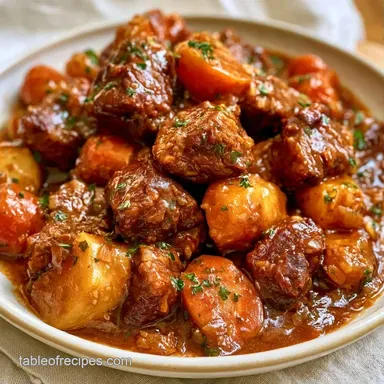
Old Fashioned Fall Beef Stew: Tender and Rich
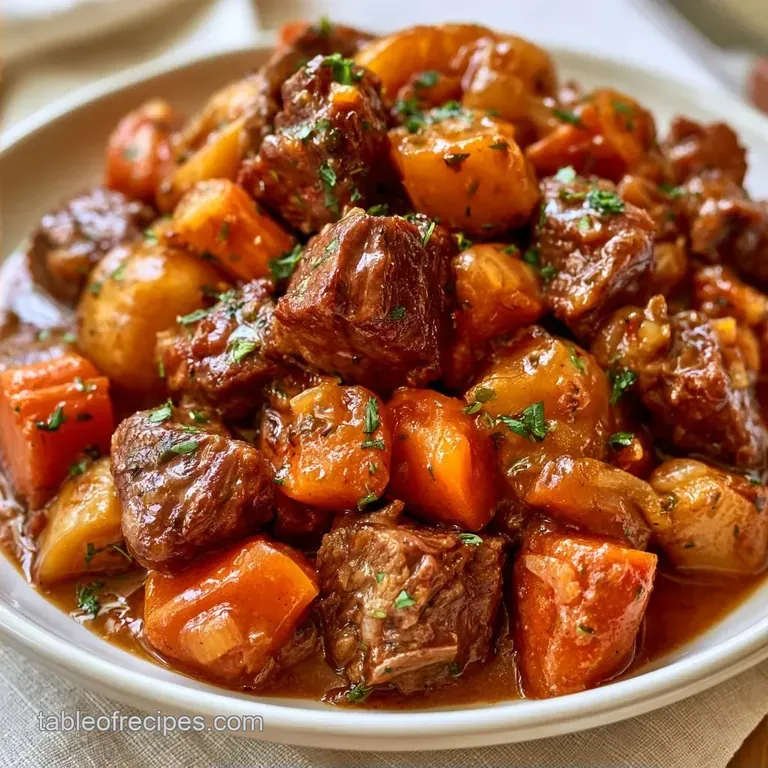
- Time: 20 min active + 150 min simmering
- Flavor/Texture Hook: Thick, savory broth with tender, fork yield beef
- Perfect for: Sunday meal prep or a cozy family dinner
The sound of beef hitting a hot pot with a loud sizzle is the only way to start this. I used to buy pre cut stew meat because it seemed faster, but that was a mistake. Pre cut cubes are often a mix of different lean muscles that cook at different rates, leaving you with some pieces that are mush and others that are like rubber.
Trust me on this: buy a whole beef chuck roast. The marbled fat and connective tissue in a chuck roast are what make this Fall Beef Stew actually work. When that collagen melts over two and a half hours, it transforms the liquid into something rich and full bodied.
You can expect a bowl that smells like thyme and red wine. It's a low effort process once the prep is done, leaving you with a meal that tastes like you spent all day in the kitchen.
Fall Beef Stew for Cold Nights
Collagen Breakdown: Using chuck roast in a Fall Beef Stew means you have plenty of connective tissue. Slow simmering turns that tough collagen into gelatin, which makes the meat tender and the sauce thick.
The Fond: Searing the meat creates "fond," those brown bits stuck to the pot. When we deglaze with wine, those bits dissolve back into the sauce, providing a depth of flavor that boiling alone can't touch.
Root Vegetable Timing: Adding carrots and potatoes later prevents them from disintegrating. This ensures you have distinct, tender chunks rather than a vegetable puree.
| Method | Time | Texture | Best For |
|---|---|---|---|
| Fresh Prep | 2h 50m | Chunky & Rich | Weekend Cooking |
| Shortcut | 1h 30m | Softer / Thinner | Weeknight Rush |
The Shopping List Breakdown
The ingredients for this Fall Beef Stew are simple, but the quality of the beef is where the battle is won. Don't bother with lean cuts like sirloin, as they'll dry out during the long simmer.
Quick Recipe Specs
Before we crack on, here is the timeline for this Fall Beef Stew. It's mostly passive time, so you can get other things done while the pot does the heavy lifting.
- Prep time: 20 minutes
- Cook time: 150 minutes
- Total time: 170 minutes
- Yield: 6 servings
Gear You'll Need
You can make this Fall Beef Stew in a heavy pot, but a Dutch oven is the best tool for the job. Its thick walls hold heat evenly, which prevents the bottom from scorching during the 90 minute initial simmer.
- Dutch oven (at least 5-6 quarts)
- Wooden spoon for scraping
- Large mixing bowl
- Sharp chef's knife
Why These Ingredients Work
Each part of this Fall Beef Stew serves a purpose. If you swap things out, just keep the balance of fat and acidity in mind.
| Ingredient | What It Does | Best Swap |
|---|---|---|
| Beef Chuck | Provides fat & gelatin | Stew meat (will be leaner) |
| Red Wine | Adds acidity & color | Beef broth + 1 tbsp vinegar |
| Tomato Paste | Deepens umami & thickens | Ketchup (adds more sugar) |
| Yukon Gold | Holds shape well | Russet potatoes (softer) |
Ingredients & Substitutes
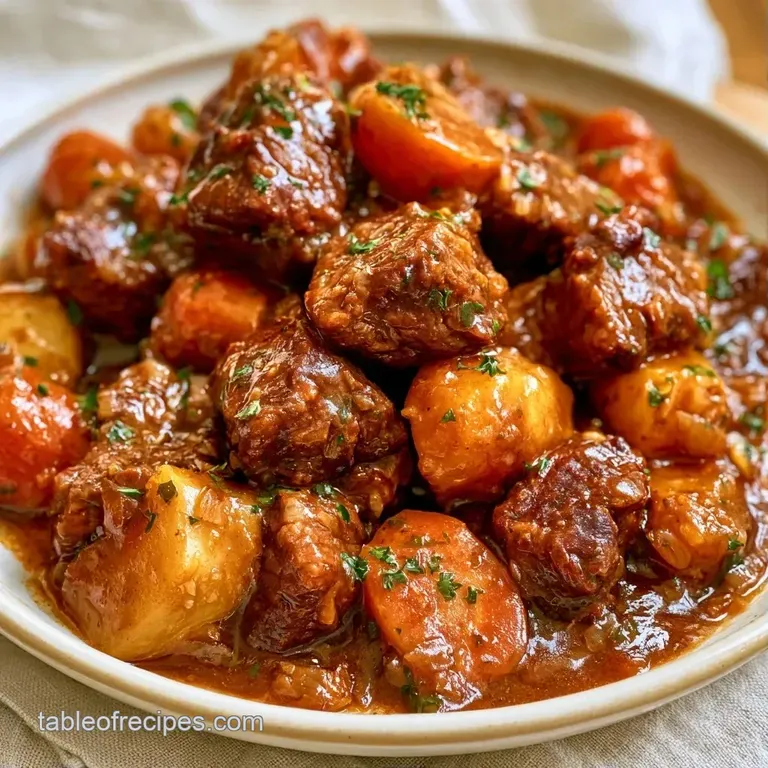
- 2 lbs beef chuck roast, cut into 1 inch cubes Why this? High collagen for tender results (Swap: Stew meat)
- 3 tbsp all purpose flour Why this? Thickens the gravy (Swap: Cornstarch)
- 1 tsp kosher salt (Swap: Sea salt)
- ½ tsp black pepper (Swap: White pepper)
- 2 tbsp vegetable oil (Swap: Canola oil)
- 1 large yellow onion, diced (Swap: White onion)
- 3 cloves garlic, minced (Swap: Garlic powder)
- 2 tbsp tomato paste Why this? Concentrated savory flavor (Swap: Tomato sauce)
- 4 cups low sodium beef broth (Swap: Bone broth)
- 1 cup dry red wine Why this? Cuts through the richness (Swap: Extra broth)
- 2 bay leaves (Swap: Dried oregano)
- 1 tsp dried thyme (Swap: Rosemary)
- 3 large carrots, sliced into thick rounds (Swap: Parsnips)
- 1.5 lbs Yukon Gold potatoes, cut into 1 inch chunks Why this? Waxy texture doesn't mush (Swap: Red potatoes)
- 1 cup frozen peas (Swap: Frozen edamame)
- 2 tbsp fresh parsley, chopped (Swap: Fresh cilantro)
The Cooking Process
Let's get this Fall Beef Stew moving. The flow here is all about building layers of flavor before the long wait.
- Toss the beef cubes in the flour, salt, and pepper until evenly coated. Note: This creates the crust during searing.
- Heat vegetable oil in a Dutch oven over medium high heat. Brown the beef in batches until a deep mahogany crust forms on all sides. Remove the beef and set aside on a plate.
- Lower the heat to medium. Add the diced onion and sauté until translucent and soft.
- Stir in the minced garlic and tomato paste, cooking for 2 minutes until the paste turns a brick red color.
- Pour in the red wine to deglaze, scraping the bottom of the pot with a wooden spoon until the brown bits are dissolved.
- Return the seared beef to the pot. Pour in the beef broth and add the bay leaves and thyme.
- Bring to a gentle simmer, cover with a tight lid, and reduce heat to low. Cook for 90 minutes until the beef is starting to yield.
- Stir in the sliced carrots and potato chunks. Cover and simmer for an additional 30 to 45 minutes until vegetables are tender.
- Stir in the frozen peas and fresh parsley just before serving.
Fixing Common Issues
Achieving the perfect Fall Beef Stew depends largely on precise timing and temperature control. Most mistakes with this dish stem from improper heat management.
Preventing Tough Meat
If the beef remains chewy after simmering, stay patient and avoid raising the heat. High temperatures cause muscle fibers to contract, which makes the meat even tougher. Simply maintain a gentle simmer for an additional 20-30 minutes. Patience is the only way to tenderize beef in a Fall Beef Stew.
Fixing Thin Broth
If the consistency is too watery rather than rich, leave the pot uncovered during the final 30 minutes of the vegetable cooking phase. This allows the liquid to reduce and thicken naturally.
Avoiding Mushy Vegetables
Adding potatoes too early can cause them to break down into the sauce. Always ensure the meat has completed its initial 90 minute simmer before introducing the root vegetables.
| Problem | Fix |
|---|---|
| Tough Beef | Simmer on low for 30 more mins |
| Thin Sauce | Simmer uncovered to reduce |
| Mushy Veg | Add vegetables in the final 45 mins |
| Goal | What to change |
|---|---|
| Thicker Sauce | Add 1 extra tbsp of flour to beef |
| More Tang | Increase red wine by 1/4 cup |
| Lighter Feel | Swap potatoes for cauliflower |
Storage and Scraps
The flavors in this Fall Beef Stew deepen overnight, making it even more delicious the following day. Keep it refrigerated in a sealed container for up to 4 days. For longer storage, it can be frozen for approximately 3 months. Simply thaw it in the refrigerator overnight before warming it on the stove.
To minimize waste, keep your roast trimmings, carrot ends, and onion skins. Put these in a freezer bag to use for a homemade stock later. Any remaining stew also serves as a wonderful base for a Beef Chili if you stir in some beans and chili powder.
Great Side Pairings
Because this Fall Beef Stew is so hearty, it benefits from a bit of contrast. A toasted slice of sourdough or a warm baguette is essential for soaking up all that flavorful gravy.
For a light accompaniment, a peppery arugula salad with a citrus dressing is a great choice. The bitterness of the greens offsets the savory depth of the beef. To turn this into a true feast, serve it alongside some Beef Ribs for a decadent meat platter.
Customizing Your Bowl
This Fall Beef Stew is highly adaptable, allowing you to customize the dish based on your preferences or whatever you have in your pantry.
Adding a Guinness Twist
Replace the red wine with a bottle of Guinness or your favorite stout. This introduces a roasted, slightly bitter maltiness that complements the beef and carrots perfectly.
Creating a Low Carb Version
To reduce the carbohydrate count, swap the potatoes for turnips or cauliflower florets. Add these at the same time as the carrots to maintain the heartiness of the stew without the starch.
Increasing the Harvest Feel
For a more traditional seasonal taste, stir some diced parsnip or celery into the aromatic base. If you are cooking for a larger group, refer to my Stew for 8 Servings recipe for the adjusted measurements.
Chef's Note: If you don't have red wine on hand, a splash of apple cider vinegar mixed with a little extra beef broth provides the necessary acidity to brighten the overall flavor.
Once you master the searing and simmering process, this Fall Beef Stew becomes a dependable comfort meal for any chilly night. It requires minimal effort for maximum flavor. Enjoy the coziness!
High in Sodium
1080 mg 1080 mg of sodium per serving (47% 47% of daily value)
The American Heart Association recommends a daily sodium limit of 2,300mg, with an ideal limit of 1,500mg for most adults to reduce cardiovascular risk.
Tips to Reduce Sodium
-
Switch to Unsalted Broth-30%
Replace the low-sodium beef broth with unsalted beef stock or homemade broth to remove the largest source of hidden sodium.
-
Omit Added Salt-25%
Completely remove the 1 tsp of kosher salt. The natural sodium in the beef and tomato paste provides enough base seasoning.
-
Use No-Salt Added Paste-20%
Swap the standard tomato paste for a no-salt added version to further reduce processed sodium levels.
-
Brighten with Acidity-10%
Add a splash of lemon juice or apple cider vinegar at the end of cooking to mimic the taste of salt and enhance flavors.
-
Boost Fresh Aromatics
Increase the amount of fresh parsley, thyme, and minced garlic to provide deep flavor without adding any sodium.
Recipe FAQs
What is the secret to a rich beef stew?
Searing the beef until a deep mahogany crust forms is key. This process creates complex flavors that deepen the overall taste of the broth.
Would a different cut of beef work for this?
Stick with chuck roast for the best results. This cut has the connective tissue needed to stay tender during a long simmer.
How do I thicken the broth if it's too thin?
Simmer the stew without a lid for a short period. This allows the liquid to reduce and naturally concentrate the flour from the initial dredging.
Is it true that browning the beef doesn't actually add flavor?
That's a myth. The Maillard reaction during searing creates the savory depth that defines a high-quality stew.
How many days do leftovers stay fresh in the fridge?
Store these in a sealed container for up to 4 days. The flavors often meld and improve after spending a night in the refrigerator.
Which other autumnal stews pair well with this style?
A creamy pumpkin base offers a great contrast to the richness of beef. You might enjoy our pumpkin stew for a different seasonal flavor.
Can this be made in a slow cooker instead of a Dutch oven?
Yes, you can adapt this for a slow cooker. Just ensure you still brown the beef and sauté the onions in a pan first for the best flavor.
Old Fashioned Fall Beef Stew