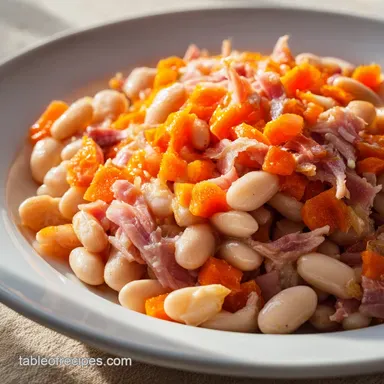
Savory Slow Cooked Northern Beans: Silky and Smoky
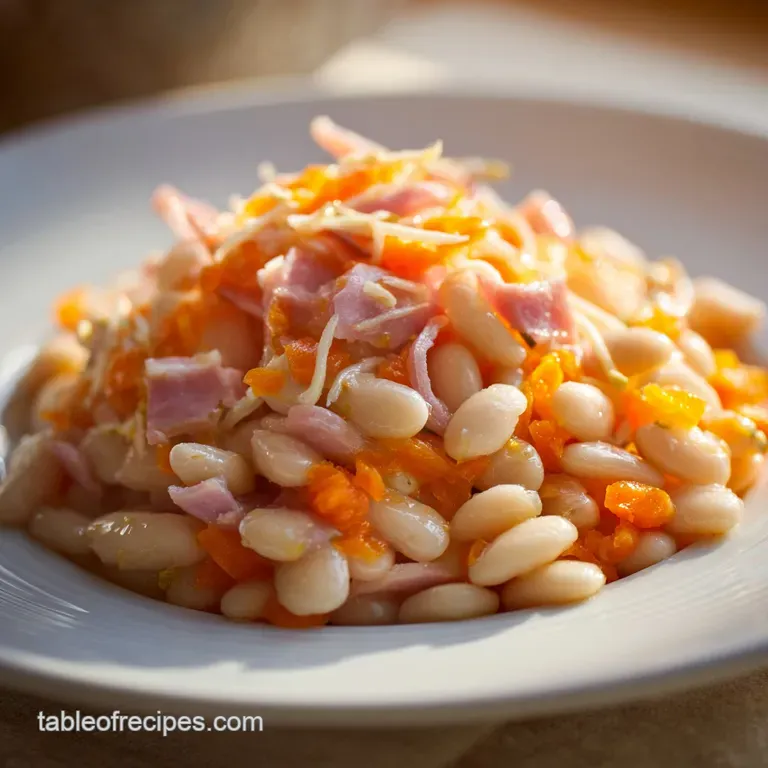
- Time:15 minutes active + 8 hours cooking = Total 8 hours 15 mins
- Flavor/Texture Hook: Silky beans with a smoky, rich broth and a zesty pop
- Perfect for: Cold weather meal prep or a cozy Sunday dinner
The smell of butter bubbling in a skillet, hitting those diced carrots and onions, is my favorite way to start a rainy afternoon. I remember the first time I tried making these for my family, and I rushed the process, skipping the sauté step because I was impatient.
The result was a bland, watery mess that lacked any depth. It took me a while to realize that the magic isn't just in the slow cooker, but in how you build those layers of flavor before the beans even touch the liquid.
Enjoy the rich, hearty taste of this Savory Slow Cooked Northern Beans with Garlic for Ultimate Comfort Food Recipe. The contrast is what makes this dish a winner - you have the deep, salty richness of the ham hock clashing with a splash of apple cider vinegar at the very end.
That one addition cuts through the heaviness and wakes up the whole pot.
You can expect a dish where the beans are tender but haven't turned into mush. It's a slow burn process that fills the entire house with a savory aroma. Trust me on this, the patience pays off when you see that broth thicken into a silky glaze that clings to every single bean.
Savory Slow Cooked Northern Beans
Right then, let's talk about why this particular method beats everything else. Most people just throw everything in a pot and hope for the best, but the secret to a vibrant, healthy dish is the prep.
By starting with a quick sauté, we develop a base of sweetness from the carrots and onions that balances the salty ham.
The Great Northern bean is the absolute hero here. I've tried using cannellini or navy beans, but they either get too soft or don't absorb the garlic and thyme quite as well. Great Northerns have a specific skin thickness that allows them to soak up all that chicken broth and smoke without losing their shape.
Honestly, don't even bother with canned beans for this - the texture is just a shadow of the dried version.
When you're looking for an ultimate comfort food recipe, you want something that feels like a hug in a bowl. This is that dish. It's mission driven cooking, meaning we're focused on maximum nutrition and flavor with minimum active effort.
Once the lid goes on, the slow cooker does the heavy lifting, leaving you free to actually enjoy your day.
Why This Works
I used to think slow cooking was just about "making things soft," but there's a bit more going on under the lid. It's all about how the heat interacts with the ingredients over a long stretch of time.
- Low Temp Softening: The gentle heat breaks down the complex starches in the beans slowly, which prevents the outside from disintegrating before the inside is creamy.
- Fat Infusion: The ham hock releases rendered fat slowly into the broth, creating a velvety mouthfeel that carries the garlic flavor to every bite.
- Aromatic Layering: Sautéing the "holy trinity" (onion, carrot, celery) first creates a concentrated flavor base that wouldn't develop if they were just boiled.
- Acidic Balance: Adding apple cider vinegar at the end changes the pH of the dish, which brightens the heavy fats and makes the savory notes pop.
Depending on how you like your consistency, you might choose different methods. I generally stick to the slow cooker for that deep, concentrated flavor, but some prefer the stovetop for speed.
| Method | Total Time | Texture | Best For |
|---|---|---|---|
| Slow Cooker | 8 hours 15 mins | Velvety & Consistent | Set and forget meal prep |
| Stovetop | 3 hours | Slightly Firmer | When you need dinner sooner |
| Pressure Cooker | 1 hour 15 mins | Very Soft | Extreme time crunch |
If you're into the slow cooking lifestyle for your meal prep, you might also like my Crockpot Salsa Chicken recipe, which uses a similar "low and slow" approach to get tender protein.
Ingredient Deep Dive
Not every ingredient in this pot is just there for bulk. Each one plays a specific role in the final flavor profile.
| Ingredient | Science Role | Pro Secret |
|---|---|---|
| Great Northern Beans | Starch Base | Rinse until water is clear to remove excess dust |
| Ham Hock | Smoky Umami | Use a cured hock for a more "cured" saltiness |
| Apple Cider Vinegar | Acidity | Stir in at the very end to keep the "zing" alive |
| Minced Garlic | Pungency | Sauté for exactly 60 seconds to avoid bitterness |
The Pantry List
For the best results, get the freshest produce you can. Avoid the pre cut frozen mirepoix if you have the time to chop your own, as the flavor is much more vibrant.
- 1 lb (450g) dried Great Northern Beans Why this? Best balance of skin thickness and creamy interior
- 6 cups (1.4L) low sodium chicken broth Why this? Low sodium prevents the dish from becoming a salt bomb
- 2 bay leaves Why this? Adds a subtle herbal tea note to the broth
- 1 lb (450g) cured ham hock Why this? Provides the essential smoky, salty depth
- 1 cup (150g) diced onion Why this? Base sweetness and aromatic foundation
- 1 cup (130g) diced carrots Why this? Adds a hint of earthy sweetness
- 1 cup (120g) diced celery Why this? Provides a savory, salty undertone
- 6 cloves minced garlic Why this? The punchy heart of the comfort flavor
- 2 tbsp (30g) unsalted butter Why this? Richness for sautéing the vegetables
- 1 tsp dried thyme Why this? Earthy aroma that pairs well with pork
- 1 tbsp apple cider vinegar Why this? Cuts through the richness of the ham
- 1/2 tsp black pepper Why this? Subtle heat to balance the salt
- salt to taste Why this? Adjust at the end based on the ham hock's saltiness
Substitution Table
| Original Ingredient | Substitute | Why It Works |
|---|---|---|
| Chicken Broth | Vegetable Broth | Same liquid volume. Note: Makes it vegetarian friendly (remove ham) |
| Ham Hock | Smoked Turkey Wing | Similar smoky profile. Note: Slightly leaner, less fatty broth |
| Apple Cider Vinegar | Lemon Juice | Similar acidity. Note: Provides a brighter, citrusy finish |
| Unsalted Butter | Olive Oil | Same fat function. Note: Lacks the creamy flavor of butter |
Using a high-quality broth is key. According to Serious Eats, the quality of your cooking liquid directly impacts the final flavor of legumes since they act like sponges.
Step by step Guide
Let's crack on with the cooking. I've broken this down into phases so you can see how the flavor builds.
Phase 1: The Prep and Rinse
- Place the dried beans in a colander and rinse thoroughly under cold running water until the water runs clear. Note: This removes surface starches that can make the broth too gummy.
Phase 2: Building the Aroma
- Melt the butter in a skillet over medium heat. Add the onion, carrots, and celery, cooking until the vegetables are softened and the onions are translucent.
- Stir in the minced garlic and cook for 60 seconds until it smells fragrant but hasn't turned brown.
Phase 3: The Low and Slow Simmer
- Transfer the sautéed aromatics to the slow cooker. Add the rinsed beans, ham hock, chicken broth, bay leaves, and thyme.
- Cover and cook on Low for 8 hours (or High for 4 hours) until the beans are tender and the liquid has thickened into a glaze.
Phase 4: The Brightening Finish
- Remove the bay leaves and the ham hock from the pot.
- Shred the meat from the bone and return the meat to the pot. Note: Do this carefully as the meat will be falling off the bone.
- Stir in the apple cider vinegar and black pepper.
- Taste the broth and add salt if needed. Note: Be cautious here, as the ham hock often adds plenty of salt on its own.
Troubleshooting Your Beans
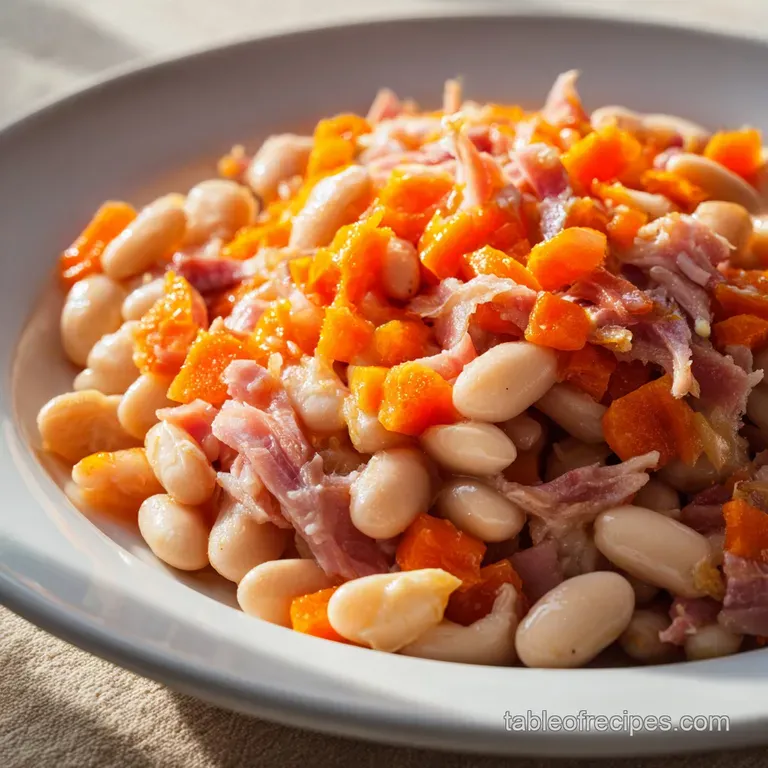
Even the best home cooks hit a snag sometimes. Most bean issues come down to water chemistry or timing.
| Issue | Solution | ||
|---|---|---|---|
| Why Your Beans Stay Hard | If your beans are still firm after 8 hours, it's often due to "hard water" (high mineral content) or adding salt too early. The minerals can bind to the bean skins and prevent them from softening. | ||
| How to Fix Thin Broth | If the liquid is too watery, you can take a potato masher and crush a small handful of beans directly in the pot. This releases internal starches that thicken the liquid instantly. | ||
| Why Your Broth is Bitter | This usually happens if the garlic was burnt during the sauté phase. If it tastes bitter, a tiny pinch of sugar or an extra teaspoon of apple cider vinegar can help mask the burnt notes. | Problem | R |
Adjusting Your Batch
When you're making Savory Slow Cooked Northern Beans, scaling isn't always a straight line. You have to be careful with the liquids and the seasonings.
Scaling Down (Half Batch) If you're only cooking 1/2 lb of beans, use 3 cups of broth. Use a smaller slow cooker if possible, as too much headspace can cause the liquid to evaporate too quickly. Reduce the cook time by about 20% and keep a close eye on the tenderness around the 6 hour mark.
Scaling Up (Double Batch) When doubling the recipe to 2 lbs of beans, don't double the salt or the thyme. I recommend starting with 1.5x the spices and tasting at the end.
You can reduce the broth by about 10% (use 11 cups instead of 12) because the larger volume of beans creates more of its own moisture. Work in batches for the sauté phase so you don't crowd the pan and steam the vegetables instead of browning them.
Since this is such a hearty dish, it's a great candidate for freezing, but remember that the texture changes slightly when thawed.
Bean Logic Myths
There are a lot of "rules" about beans that are actually just myths. Let's clear a few up.
The Soaking Myth Many people think you must soak dried beans overnight to make them digestible. While soaking can reduce cook time and help with gas, it's not mandatory for Great Northern beans in a slow cooker. The 8 hour low temp simmer does the work for you.
The Salt Myth You'll hear that salt toughens beans if added too early. While extreme amounts of salt can slow down softening, a moderate amount of salt during the cook actually helps the seasoning penetrate the core of the bean. The key is just not to over salt before the liquid reduces.
Storage And Waste
To keep your Savory Slow Cooked Northern Beans fresh, store them in an airtight glass container in the fridge for up to 5 days. The flavor actually improves on day two as the garlic and thyme meld further.
For the freezer, I recommend freezing them in portions. They'll stay good for up to 3 months. When you reheat them, add a splash of water or broth, as the beans will absorb more liquid during the freezing and thawing process.
Zero Waste Tips Don't throw away the remaining bean liquid if you have some left over. This "bean liquor" is packed with flavor and starch. Use it as a base for a vegetable soup or stir it into a risotto for extra creaminess.
Also, if you have leftover ham hock scraps, toss them into a freezer bag to start a homemade stock later.
Serving Suggestions
This dish is a powerhouse on its own, but it really shines when paired with something bright or crisp. I love serving it alongside a piece of crusty sourdough bread rubbed with a raw garlic clove.
For a full meal, this pairs perfectly with a bowl of Roasted Tomato Basil Soup, which provides a tangy contrast to the creamy, smoky beans. If you want something more filling, a side of sautéed kale or collard greens with a splash of lemon juice cuts through the richness of the ham hock beautifully.
Right then, you've got everything you need to make a pot of Savory Slow Cooked Northern Beans. Just remember: don't rush the sauté, don't skip the vinegar, and let the slow cooker do the hard work. It's a simple, healthy, and vibrant way to bring some real comfort to your kitchen. Happy cooking!
High in Sodium
840 mg 840 mg of sodium per serving (37% 37% of daily value)
The American Heart Association recommends a daily sodium limit of no more than 2,300 mg for most adults to maintain heart health.
Tips to Reduce Sodium
-
Upgrade Your Broth-30%
Replace the low-sodium chicken broth with no-salt added chicken broth or water to significantly lower the base sodium levels.
-
Swap the Ham Hock-25%
Substitute the cured ham hock with smoked paprika or a small amount of low-sodium smoked turkey for that smoky flavor without the cured salt.
-
Skip Added Salt-25%
Completely omit the 'salt to taste' and let the natural flavors of the aromatics and broth provide the seasoning.
-
Boost Aromatics
Increase the amount of minced garlic and dried thyme to add depth and complexity to the flavor profile without adding any sodium.
Recipe FAQs
What are cowboy beans?
They are a hearty, sweet and-savory variation of baked beans. Unlike these savory Northern beans, cowboy beans typically feature molasses, brown sugar, and often include bacon or sausage.
What is the best liquid for slow cooker beans?
Low-sodium chicken broth is the best choice. It creates a rich, savory base that complements the ham hock and aromatics without making the dish overly salty.
What are some common mistakes when cooking beans?
Adding salt too early is a frequent error. This, combined with high mineral content in hard water, can bind to the bean skins and prevent them from softening.
Do great northern beans help with constipation?
Yes, they are highly effective due to their fiber content. The abundance of dietary fiber promotes regular bowel movements and supports overall digestive health.
How to thicken the bean broth if it's too watery?
Crush a small handful of beans directly in the pot using a potato masher. This releases internal starches that naturally thicken the liquid.
How to store and serve these beans?
Store in an airtight glass container in the fridge for up to 5 days. Serve them alongside golden brown biscuits for a complete and comforting meal.
Is it true that you must soak dried beans before slow cooking them?
No, this is a common misconception. Simply rinsing them thoroughly under cold running water is sufficient, as the 8-hour slow cook time ensures they become tender.
Savory Slow Cooked Northern Beans