Roasted Butternut Squash Soup
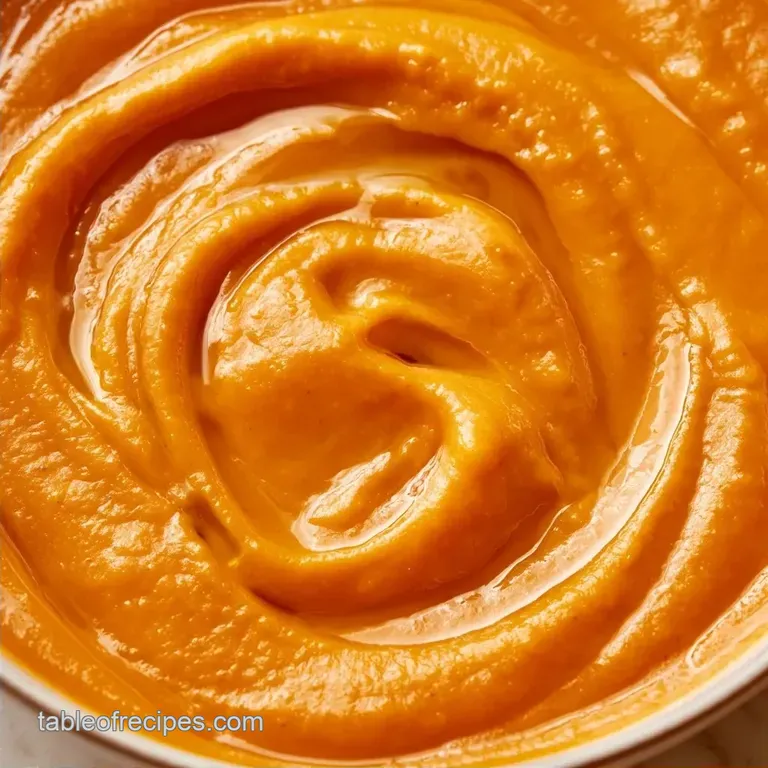
- Time: 15 min active + 45 min cooking
- Flavor/Texture Hook: Mahogany roasted sweetness with a bright citrus finish
- Perfect for: Busy weeknights or cozy fall meal prep
The smell of roasting squash and garlic hitting 400°F is honestly the best part of autumn. There is something about that scent, a mix of caramelized sugar and toasted onion, that makes the whole house feel warm. I used to just boil everything in a pot, but the result was always a bit pale and bland.
The trick is getting those edges dark. When the squash turns mahogany, the flavor shifts from simple "vegetable" to something rich and nutty. That's the payoff for the extra step of using a baking sheet.
You can expect a bowl of Butternut Squash Soup that feels heavy and comforting but has a surprising zing from the lemon and apple. It’s a high reward meal that doesn't require a professional kitchen.
Quick Stats and Timing
This recipe is designed for efficiency. You spend very little time actually prepping and most of the time just waiting for the oven to do the hard work.
- - Roasting Check
- At 25 minutes, your veg should be tender and starting to brown.
- - Simmer Point
- 10 minutes in the pot is enough to merge the flavors.
- - Texture Goal
- Puree for about 60 seconds until no lumps remain.
If you're comparing this to a traditional slow simmered version, the roasted method is much faster.
| Method | Prep Time | Cook Time | Flavor Profile |
|---|---|---|---|
| Roasted | 15 mins | 45 mins | Charred and bright |
| Classic | 30 mins | 2 hours | Mellow and sweet |
The Shopping List
I recommend a premium vegetable broth, though a low-sodium option works well if you want to manage the salt levels yourself. Be sure to use a Granny Smith apple specifically, as its sharpness is key to offsetting the sweetness of the squash.
For this Butternut Squash Soup, you'll need these specific items:
- 3 lbs butternut squash, peeled and cubed Why this? Creates the creamy, starchy foundation
- 6 oz Granny Smith apple, peeled and cubed Why this? Offers a vital tangy contrast
- 5 oz yellow onion, quartered Why this? Develops savory depth during roasting
- 4 cloves garlic, smashed Why this? Lends a toasted, nutty fragrance
- 3 tbsp extra virgin olive oil Why this? Helps transfer heat for roasting
- 1 tsp kosher salt Why this? Highlights all the natural tastes
- 1/2 tsp black pepper Why this? Provides a mild, lingering heat
- 4 cups vegetable broth Why this? Forms the soup's liquid base
- 1/2 cup coconut milk Why this? Delivers a dairy-free richness
- 1 tsp ground ginger Why this? Introduces a zingy, fresh element
- 1/2 tsp ground nutmeg Why this? A quintessential autumnal warmth
- 1 tbsp lemon juice Why this? Brightens the richer flavors
- 1 tbsp maple syrup Why this? Offsets the tang of the lemon
Let's break down the role each ingredient plays in the final dish.
| Component | Purpose | Substitute Notes |
|---|---|---|
| Butternut Squash | Volume and sweetness | Pumpkin: Higher water content, requires more simmering |
| Coconut Milk | Velvety texture | Heavy Cream: More decadent, not vegan |
| Granny Smith Apple | Tangy acidity | Pear: Sweeter, lacks the same tartness |
| Vegetable Broth | Liquid foundation | Chicken Stock: Bolder, meatier profile |
For an even thicker consistency, feel free to replace the coconut milk with cashew cream. Simply blend some soaked cashews with a splash of water first.
Essential Kitchen Tools
Minimal equipment is required for this recipe. The most critical piece is a large rimmed baking sheet; using a pan with high sides can cause the vegetables to steam rather than roast, which ruins the charred flavor.
I suggest using an immersion blender to blend the Butternut Squash Soup right in the pot, which means fewer dishes to wash. If you use a traditional blender, be cautious with the hot liquid.
Leave some room at the top of the container and press the lid down with a kitchen towel to prevent a "soup explosion" in your kitchen.
A food processor or a sharp chef's knife will make cubing the squash much quicker. If the squash feels too hard to cut, simply poke a few holes in it and microwave it for 2 minutes to soften the skin.
From Prep to Plate
Let's get started. The priority here is achieving a deep caramelization on the vegetables.
Preparing the Roasted Base
- Set your oven to 400°F (200°C).
- On a baking sheet, toss the diced squash, apple, garlic, and onion with salt, pepper, and olive oil.
- Spread everything into a single layer. Note: Don't overcrowd the pan, or the vegetables will steam instead of roast.
- Roast for 25–30 minutes, tossing once halfway through, until the squash is tender and the edges are a rich mahogany.
Simmering and Finishing
- Transfer the roasted vegetables and any remaining pan juices into a pot. Note: Those browned bits are where the most flavor lives.
- Mix in the vegetable broth, ground ginger, and nutmeg.
- Simmer gently over medium heat for 10 minutes until the aroma is fragrant and well integrated.
- Remove the pot from the heat.
- Use an immersion blender to puree the Butternut Squash Soup until it is completely smooth.
- Stir in the lemon juice, maple syrup, and coconut milk. Taste and add more salt if necessary.
Chef's Note: If you prefer a deeper hue, allow the garlic to brown a bit more, but ensure it doesn't turn black, which would make it bitter.
Fixing Common Issues
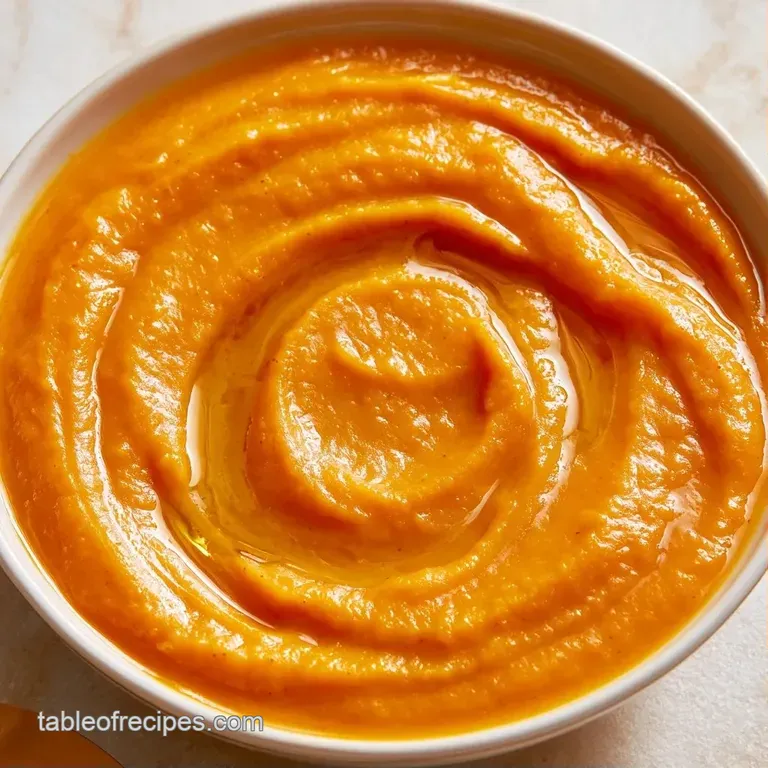
Even straightforward recipes can have hiccups. Most common Butternut Squash Soup issues involve texture or flavor balance.
Fixing a Grainy Texture
If the soup feels slightly gritty, the squash might not have been fully blended or apple skins were left in. You can resolve this by straining the finished soup through a fine mesh sieve. This produces a velvety finish typical of a restaurant dish.
Balancing Over Sweetness
Some squash varieties are naturally sweeter than others. If the flavor leans too far toward dessert, stir in an additional teaspoon of lemon juice or a pinch more salt. The added acidity cuts through the sugar.
Correcting a Too Thick Consistency
Water content in roasted squash can vary. If the soup is too dense to pour, slowly whisk in an extra 1/2 cup of broth to maintain the richness while thinning it out.
| Problem | Fix |
|---|---|
| Grainy texture | Blend longer or use a fine mesh sieve |
| Too sweet | Increase lemon juice or salt |
| Too thick | Add vegetable broth in 1/4 cup increments |
| Bland flavor | Add a pinch more nutmeg or salt |
Flavor and Diet Twists
This base is very flexible. If you want to move away from the traditional profile, you can easily pivot the flavors.
For a different take on autumn flavors, you could try roasted pumpkin as the main base. It's slightly more earthy and works well with the same roasting method.
- For a savory kick: Stir in 1/2 tsp of smoked paprika or a dash of cumin during the simmer.
- For an Indian twist: Swap the nutmeg for 1 tsp of garam masala and use full fat coconut milk.
- For a little heat: Add a pinch of cayenne pepper or a teaspoon of sriracha at the end.
If you're looking for something lighter, you can skip the coconut milk entirely. The roasted squash provides enough natural creaminess on its own, though the result will be less rich. For another warming option, my lemon chicken soup is a great companion for a cold weather menu.
Decision Shortcut:
- For a vegan version: Use the recipe as written.
- For extra richness: Swap coconut milk for heavy cream.
- For a thinner soup: Increase broth by 1 cup.
Storage and Waste
The flavors of the Butternut Squash Soup deepen overnight as the spices blend. Keep the leftovers chilled in a sealed container for up to 4 days.
To warm it up, use a pot on the burner at a medium low setting. Should the soup thicken during refrigeration, stir in a bit of broth or water to reach your desired consistency.
This recipe is also perfect for freezing. Store it in freezer safe bags or glass jars for up to 3 months. Be sure to leave an inch of headspace in the jars to prevent the glass from breaking as the liquid expands.
Save your squash seeds rather than tossing them. After cleaning, coat them in oil and salt, then roast at 350°F for 15 minutes to create a crunchy garnish. Additionally, the peelings can be used for homemade vegetable scrap stock.
Plating and Serving
Presentation makes a difference. Since the soup is a consistent orange color, you need contrast on top.
I love adding a luscious swirl of coconut milk or cream right before serving. It looks professional and adds a hit of fat to every spoonful. For texture, top the bowl with toasted pumpkin seeds or a few croutons.
If you want to be fancy, add a drizzle of chili oil. The red contrast against the orange is striking, and the heat balances the sweetness of the maple syrup. Serve it with a thick slice of toasted sourdough bread rubbed with a raw garlic clove.
Why This Method Works
The reason this Butternut Squash Soup tastes different from others is the heat application. We aren't just heating the veg; we're changing their chemical structure.
Over High heat Roasting: Roasting at 400°F creates a charred exterior on the squash and onions. This adds a smoky, savory layer that boiling simply can't produce.
Acid Balance: The lemon juice and Granny Smith apple work together to provide a sharp contrast. This prevents the coconut milk and squash from feeling too heavy on the palate.
Trust me on the lemon juice. It might seem odd to add it at the end, but it wakes up the whole dish. Without it, the soup can feel one dimensional.
Right then, that's how you make a Butternut Squash Soup that actually has some personality. It's warm, it's vibrant, and it's a total win for any autumn night. Enjoy your bowls of Butternut Squash Soup!
High in Sodium
1050 mg 1,050 mg of sodium per serving (46% 46% of daily value)
The American Heart Association recommends a daily limit of 2,300 mg of sodium to help manage blood pressure and reduce heart disease risk.
Tips to Reduce Sodium
-
Swap the Broth-30%
Replace the vegetable broth with low-sodium or no-salt added vegetable broth to significantly reduce the bulk of the salt.
-
Reduce Added Salt-25%
Cut the 1 tsp of kosher salt in half or eliminate it entirely, as the broth and natural flavors of the squash are already potent.
-
Amplify the Acid-10%
Increase the lemon juice slightly to brighten the flavors, which tricks the palate into needing less salt.
-
Enhance Aromatics
Double the ground ginger and black pepper to add depth and warmth to the soup without adding any sodium.
Recipe FAQs
Why does roasting make the soup taste better?
Roasting vegetables at 400°F creates mahogany colored edges that add deep flavor. The addition of maple syrup and lemon juice then balances the overall sweetness.
How do I cut butternut squash safely?
Slice a thin strip off the side to create a flat, stable base. Carefully cut around the seeds and peel the skin with a sharp knife.
Is it true that boiling squash is the best method?
That's a myth. Roasting the squash and apple at 400°F develops far more complex, caramelized flavors than boiling.
What should I do with extra winter squash?
Puree your surplus squash and freeze it in portions for future use. This creamy soup pairs beautifully with seared salmon for a complete dinner.
Roasted Butternut Squash Soup 2