Brown Butter Butternut Squash Orzo with Fried Sage
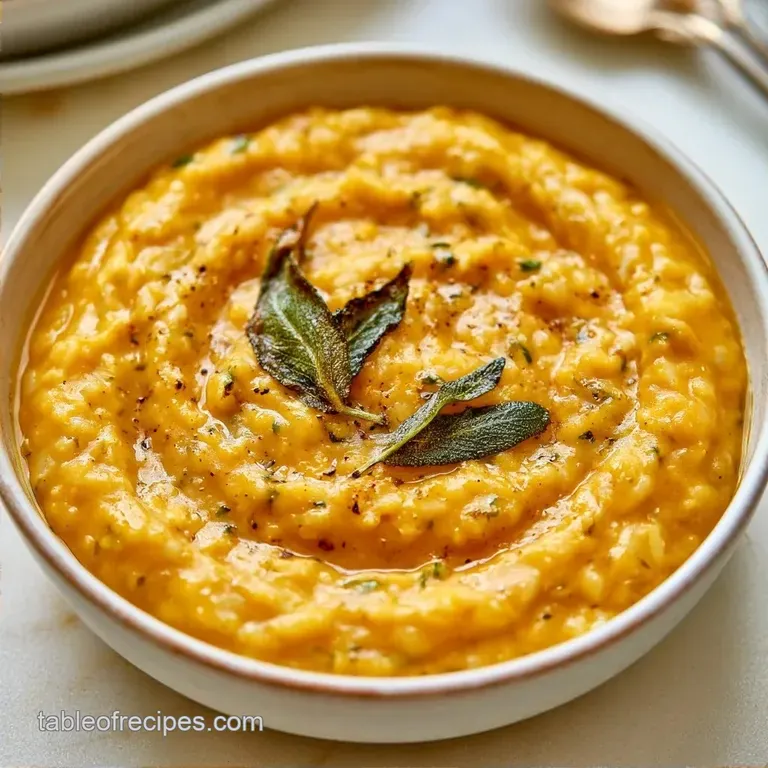
- Time: 10 min active + 30 min cooking
- Flavor/Texture Hook: Nutty brown butter with crisp sage and a smooth squash base
- Perfect for: A low effort weeknight dinner that feels fancy
The smell of butter browning in a pan is one of those things that just tells you dinner is going to be good. When you add fresh sage, it turns into this toasted, herbal aroma that fills the whole kitchen. It is the exact opposite of a bland Tuesday night meal.
I used to treat orzo like regular macaroni, boiling it in a separate pot of water and tossing it with a sauce. Honestly, it was always a bit disjointed. The pasta felt slippery, and the flavors didn't really sink in.
Switching to a one pan simmer changed everything for this Butternut Squash Orzo. The pasta absorbs the broth and the squash puree, so every single grain is packed with flavor. It gives you that heavy, comforting vibe of a risotto but takes a fraction of the effort.
Easy Creamy Butternut Squash Orzo
This Butternut Squash Orzo relies on a few simple moves to get a high end result. We roast the squash to bring out the natural sugars, then use a brown butter base to add depth. Since it's all handled in one skillet (after the roasting), cleanup is fast.
The result is a meal that feels cohesive. You get the sweetness of the squash, the saltiness of the Parmesan, and the brightness of a little lemon juice at the end. It is efficient, filling, and uses minimal tools.
The Texture Trick
If you love the creamy consistency of a Butternut Squash Risotto, you'll appreciate how this method mimics that without the constant stirring.
Toasted Pasta: Frying the dry orzo in butter before adding liquid prevents the grains from getting mushy and adds a nutty flavor. Starch Retention: Simmering in broth keeps the natural pasta starches in the pan, which thickens the sauce naturally.
| Method | Time | Texture | Best For |
|---|---|---|---|
| Fresh Roast | 40 mins | Deeply caramelized | Weekend dinners |
| Frozen Puree | 25 mins | Smoother, lighter | Ultra fast weeknights |
| Pre cut Squash | 35 mins | Consistent | Low prep days |
Gathering Your Essentials
The components here are all about balance. The squash provides the bulk and sweetness, while the sage and lemon keep it from feeling too heavy.
For the roasted base, the butternut squash is the star. If you can't find fresh, frozen cubes work fine, just roast them at a slightly higher temp. The olive oil helps the edges brown, and a pinch of salt brings out the earthiness.
For the sauce, unsalted butter is a must so you can control the salt level. Fresh sage leaves are non negotiable here, as they provide that signature autumn crispness. Shallots and garlic add the aromatic base that prevents the Butternut Squash Orzo from tasting one dimensional.
For the finish, Parmesan cheese adds the salty punch. Baby spinach introduces some color and nutrients, and lemon juice is the final touch that wakes up the whole dish.
Ingredients and Substitutes
- 1 lb (450g) butternut squash, peeled and cubed small Why this? Creates a sweet, creamy foundation
- 2 tbsp (30ml) olive oil Why this? Ideal for roasting due to its high smoke point
- 1/2 tsp (3g) kosher salt
- 1/4 tsp (1g) black pepper
- 4 tbsp (56g) unsalted butter Why this? Necessary for that signature nutty brown butter taste
- 12-15 fresh sage leaves Why this? Offers a crisp, aromatic herbal note
- 1 medium shallot, finely minced Why this? Provides a gentler, sweeter flavor than onion
- 3 cloves garlic, minced
- 1 1/2 cups (300g) uncooked orzo pasta Why this? Rice shaped pasta that mimics a risotto consistency
- 3 cups (710ml) low sodium vegetable broth Why this? Ensures the pasta is seasoned thoroughly from within
- 1/2 cup (50g) grated Parmesan cheese Why this? Provides saltiness and helps thicken the sauce
- 2 cups (60g) fresh baby spinach Why this? Contributes a fresh taste and vibrant color
- 1 tbsp (15ml) lemon juice Why this? Balances the richness of the butter
| Original Ingredient | Substitute | Why It Works |
|---|---|---|
| Butternut Squash | Pumpkin Puree | Comparable taste; skip roasting. Note: Results in a denser consistency |
| Vegetable Broth | Chicken Broth | Provides a heartier, more savory profile |
| Parmesan Cheese | Nutritional Yeast | Perfect for a vegan version. Note: Savory and nutty, though less salty |
| Fresh Sage | Dried Sage | Use 1 tsp. Note: Doesn't provide the same crunch as fresh |
Tools You'll Need
No professional kitchen is required here. Just a basic baking sheet and a large skillet will do the trick.
A cast iron pan or a heavy bottomed skillet is my recommendation. These distribute heat more consistently, which is key for browning the butter. Thinner pans risk burning the butter in patches rather than browning it uniformly.
To achieve a smooth squash puree, use a food processor or blender. While a potato masher is an alternative if those aren't available, your Butternut Squash Orzo will have a coarser texture.
Key Cooking Steps

Phase 1: Building the Base
- Combine cubed butternut squash with olive oil, salt, and pepper on a baking sheet. Roast at 400°F (200°C) for 20–25 minutes until the edges are mahogany colored and caramelized.
- Place the roasted squash in a blender with a bit of broth. Process until smooth and set aside.
Phase 2: Sautéing with Brown Butter
- Heat butter in a skillet over medium heat. Whisk continuously until the butter foams, smells nutty, and turns golden brown.
- Add the sage leaves. Fry for 30 60 seconds until crisp, then remove them with a slotted spoon and drain on a paper towel.
- In the remaining brown butter, sauté the minced shallot and garlic until fragrant and translucent (about 2 minutes).
Phase 3: The Orzo Simmer
- Stir in the dry orzo. Cook for 2 minutes until the pasta edges become translucent and smell toasted.
- Pour in the vegetable broth. Bring to a simmer, then reduce heat to low. Cover and cook for 8–10 minutes, stirring occasionally, until most of the liquid has been absorbed.
Phase 4: Finishing Touches
- Mix in the butternut squash puree and Parmesan cheese until the sauce is emulsified and glossy.
- Fold in the baby spinach, allowing the residual heat to wilt the leaves for about 60 seconds.
- Stir in the lemon juice and garnish with the fried sage leaves before serving.
Chef Note: Be sure to include the lemon juice. The combination of squash and brown butter is quite rich, and the acidity of the lemon balances that heaviness.
The Logic of the Method
You might wonder why we don't just boil the pasta. Boiling orzo washes away the surface starch. By simmering the Butternut Squash Orzo in broth, that starch stays put and bonds with the squash puree.
USDA guidance suggests that most vegetables are safe to eat once cooked through, but roasting the squash at 400°F ensures that any surface moisture evaporates, concentrating the flavor. This is why roasting beats boiling the squash every time.
Fixing Common Problems
Fixing Dry Pasta
If the broth absorbs too quickly and the orzo is still firm, don't panic. Stir in an additional 1/4 cup of warm broth or water. This loosens the sauce and gives the pasta a few more minutes to soften.
Preventing Burnt Butter
Butter goes from brown to burnt in a matter of seconds. Once you see the brown bits (the milk solids) forming at the bottom and smell that nutty aroma, immediately add the sage or shallots. The moisture in the aromatics drops the temperature of the butter and stops the browning process.
Stopping Spinach Browning
Spinach turns an unappealing olive drab color if it cooks too long. Only fold the leaves in at the very end. The heat from the cooked Butternut Squash Orzo is more than enough to wilt them in under a minute.
Debunking Kitchen Myths
Some people think you need to stir risotto style dishes constantly to get them creamy. That's not true for orzo. Because the grain is smaller and the starch profile is different, a occasional stir is plenty.
Another myth is that you must salt the water heavily for pasta. While true for boiling, when you're using a flavored broth for Butternut Squash Orzo, you have to be careful. The broth and Parmesan already provide plenty of sodium, so you only need a small amount of extra salt.
Storage and Reheating
Keep remaining Butternut Squash Orzo chilled in a sealed container for as long as 4 days.
For the best results when reheating, steer clear of the microwave to prevent the pasta from becoming gummy. Use a skillet on medium low heat instead, stirring in a bit of broth or water to restore the creaminess.
To make the most of your ingredients, save the squash seeds. After rinsing and patting them dry, roast them with oil and salt at 325°F for 15 minutes for a perfect crunchy garnish.
Dietary Adaptations
To make this Butternut Squash Orzo vegan, replace the butter with olive oil or a plant based butter alternative, and substitute the Parmesan with nutritional yeast. While you'll miss some of the pungent cheese flavor, the roasted squash still provides a luxurious richness.
For a heartier meal, stir in some sautéed chicken breast or chickpeas. If you prefer a different style, you can transform this into a Butternut Squash Orzo Bake: move the finished mixture to a baking dish, top with additional cheese, and broil for 3-5 minutes until bubbly.
If you're craving more squash centric comfort food, my Butternut Squash Lasagna is a wonderful option for feeding a larger crowd.
Presentation Tips
This dish looks best in a shallow bowl. Since the color is a deep orange, the green of the spinach and the dark sage leaves provide a great visual contrast.
For a final flourish, grate a little extra Parmesan over the top using a microplane. A crack of fresh black pepper adds a bit of heat and a professional look.
For a more formal meal, serve this as a side to roasted pork loin or a seared scallops dish. The nuttiness of the brown butter in the Butternut Squash Orzo complements white meats and seafood perfectly.
Decision Shortcut
- For a creamier result: add an extra tablespoon of butter at the end
- For a tangier flavor: add a teaspoon of apple cider vinegar with the lemon juice
- For a firmer bite: reduce the broth simmer time by 2 minutes
Recipe FAQs
What is butternut squash orzo?
It is a creamy pasta dish using rice shaped orzo and a velvety roasted squash puree. This combination creates a rich, comforting texture similar to risotto.
Is it true that orzo is a healthier alternative to rice or pasta?
No, this is a common misconception. Orzo is actually a type of pasta made from wheat, meaning its nutritional value is nearly identical to other pasta shapes.
How to cut a butternut squash easily?
Slice the squash in half lengthwise and scoop out the seeds. Peel the outer skin and cube the flesh into small pieces before roasting at 400°F.
What common mistakes should I avoid when cooking orzo?
Avoid overcooking the pasta, as it can quickly become gummy. Stir the pot occasionally while simmering in broth to prevent the grains from sticking to the bottom.
Which sauce pairs best with this squash pasta?
A brown butter and sage sauce provides a nutty contrast to the sweet squash. If you like this flavor profile, you might also enjoy the creamy textures in our pumpkin pasta.
Butternut Squash Orzo