Sourdough Blueberry Lemon Poppy Seed Muffins: Fluffy & Tangy
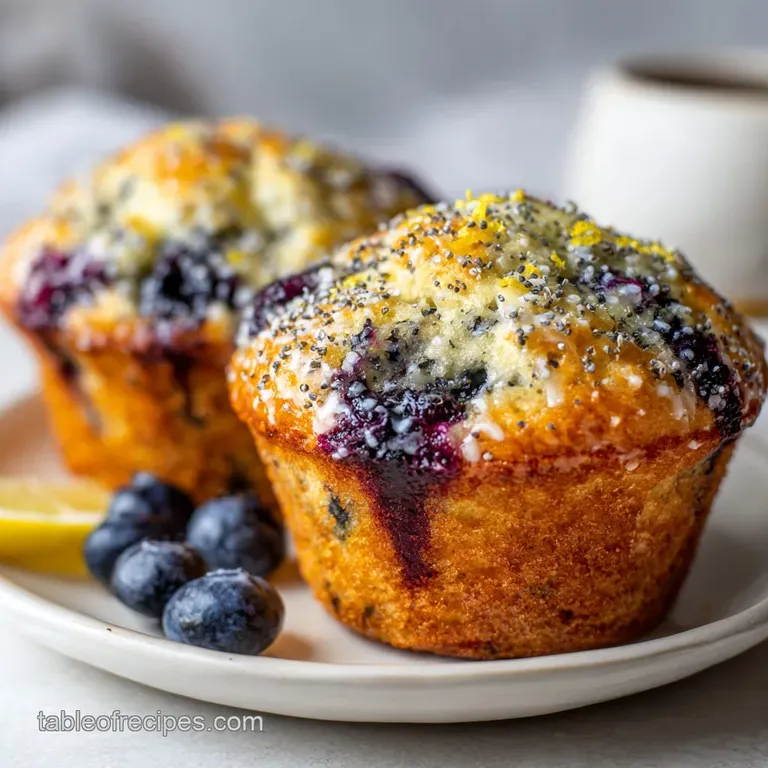
- Crafting the Perfect Sourdough Blueberry Lemon Poppy Seed Muffins
- Why Most Recipes Get This Wrong
- Precision Planning for Your Sourdough Poppy Seed Muffins
- Assembling the Best Elements for Vibrant Seed Muffins
- Essential Tools for Fluffy Homemade Muffins
- Step by Step Guide to Baking Muffin Recipe with Lemon Glaze
- Solving Common Issues for Perfectly Baked Poppy Seed Muffins
- Personalized Options for Poppy Seed Muffins
- Storage for Lemon Poppy Seed Muffin Recipe with Lemon Glaze
- Serving Ideas for Poppy Seed Muffins
- Myths About Sourdough Baking
- Recipe FAQs
- 📝 Recipe Card
Crafting the Perfect Sourdough Blueberry Lemon Poppy Seed Muffins
The scent of a kitchen on a Saturday morning should be a specific kind of magic, and nothing hits that note quite like the bright, sharp aroma of fresh lemon zest meeting a bowl of sugar. It is that zingy, citrusy fragrance that wakes up your senses before the first cup of coffee is even poured.
I remember standing in my kitchen with blue stained fingertips after a frantic morning of picking berries, realizing I had a jar of sourdough discard that was just begging to be used. The result was a revelation in texture, a muffin that felt more like a sophisticated treat than a standard breakfast staple.
Discover our signature Sourdough Blueberry Lemon Poppy Seed Muffin Recipe with Lemon Glaze. This particular bake is all about the contrast between the velvety crumb and the sudden pop of a poppy seed, followed by the tart explosion of a warm blueberry.
We aren't looking for those greasy, heavy muffins you find at a gas station. We want something that feels light but substantial, with a crackly glaze that shatters under your teeth. It's a recipe that celebrates the zing of citrus and the deep, complex notes that only sourdough can provide.
If you've ever pulled a batch of muffins from the oven only to find them gummy or flat, you're not alone. I’ve spent many mornings adjusting ratios because I wanted that high, domed top and a crumb that stays moist for days.
This method isn't just about mixing ingredients; it’s about understanding how a few small movements, like rubbing zest into sugar or starting with a burst of high heat, change everything. You’ll find that these poppy seed muffins are surprisingly forgiving once you master a couple of basic tricks.
Why Most Recipes Get This Wrong
The biggest issue I see with most homemade muffins is that they treat the batter like a cake. If you overwork the dough, you end up with a tough, bread like texture rather than something tender.
Many recipes also skip the step of preparing the lemon zest properly, missing out on about 50 percent of the potential flavor. When you just toss zest into a liquid, the oils stay trapped in the peel.
By rubbing it into the sugar, you release those essential oils, turning the sugar into a fragrant, damp "citrus sand" that permeates every single bite.
Another common mistake is the oven temperature. Most people bake at 350°F (175°C) from start to finish. While that works for cookies, it doesn't give muffins the "lift" they need to create those impressive domes. We use a two temperature method here.
Starting at a higher heat creates an immediate burst of steam within the batter, pushing the muffin upward rapidly before the edges set. This creates a much taller, professional looking muffin that feels lighter than its lower temperature counterparts.
High Heat Lift: The initial 425°F (218°C) temperature causes the baking powder to react violently with the steam, forcing the batter up.
Acidic Balance: The sourdough discard provides a lactic acid punch that tenderizes the gluten, ensuring the crumb stays soft.
Mechanical Infusion: Rubbing lemon zest into granulated sugar breaks the oil glands in the peel for maximum aroma.
Moisture Retention: Using melted butter instead of oil provides a richer flavor while the sourdough keeps the interior from drying out.
| Method | Texture | Rise Height | Flavor Depth |
|---|---|---|---|
| Sourdough Method | Velvety and moist | High, domed tops | Complex, slightly tangy |
| Standard Method | Crumbly or cakey | Flat or rounded | Simple and sweet |
| Quick Bread Style | Denser, heavy | Moderate | Flour forward |
Choosing the right approach depends on what you want out of your morning. If you are looking for a quick, one bowl fix without any complexity, the standard method works. But if you want a bake that feels intentional and artisanal, the sourdough discard route is the only way to go.
The fermentation of the discard adds a layer of flavor that simply cannot be replicated with plain flour and milk. It turns a simple seed muffin into something that tastes like it came from a high end bakery.
Precision Planning for Your Sourdough Poppy Seed Muffins
Timing is everything when you’re dealing with sourdough, even if it is just the discard. You want to make sure your ingredients are prepped and ready to go so the leavening agents don't lose their power while you’re hunting for a whisk.
This recipe is designed for a standard 12 cup muffin tin, which is the sweet spot for heat distribution. If you try to bake these in a jumbo tin, you'll need to adjust the time significantly to prevent the outside from burning before the center is done.
I always suggest having your eggs and discard at room temperature. Cold ingredients can cause the melted butter to seize up, creating little clumps of fat in your batter. While it won't ruin the muffin, it does make the crumb less uniform.
If you're in a rush, you can put your eggs in a bowl of warm water for five minutes. For the sourdough, just measure it out and let it sit on the counter while you prep the other elements. It’s these small details that move a bake from "okay" to "incredible."
| Servings | Preparation Time | Baking Time | Cooling Time |
|---|---|---|---|
| 12 Muffins | 10 minutes | 18 minutes | 15 minutes |
Make sure you don't skip the cooling time. I know it's tempting to dive right in while the blueberries are still molten, but the structure of the muffin actually finishes setting as it cools. If you peel the liner off too early, half the muffin will stay stuck to the paper.
Giving it those 15 minutes of rest allows the steam to redistribute, ensuring a clean release and a better overall mouthfeel.
Assembling the Best Elements for Vibrant Seed Muffins
The quality of your blueberries can make or break this dish. I prefer fresh, plump berries that have a bit of a snap to them. If you use frozen berries, do not thaw them first. Thawing causes the juice to bleed, which will turn your beautiful yellow batter into a murky grey purple mess.
Toss them in straight from the freezer. Also, the poppy seeds aren't just for decoration; they add a nutty, earthy flavor and a "micro crunch" that is essential to the experience of a poppy seed muffin.
For the sourdough component, you are looking for a 100% hydration discard. This means your starter was fed with equal parts water and flour by weight. If your starter is thicker or thinner, it might slightly change the moisture level of the batter. If you find your batter is too thick to fold, add a tiny splash of milk. If you're a fan of citrus forward bakes, you might also find that a tangy lemon pie hits that same refreshing note during the dessert hour.
- 227g sourdough discard: This provides the moisture and the signature tang. Why this? It acts as a natural tenderizer for the flour's gluten.
- 250g all purpose flour: The structural backbone of the muffin. Why this? Provides enough strength to hold the heavy blueberries.
- 200g granulated sugar: For sweetness and to help create those golden edges.
- 1 tbsp baking powder: The primary lifting agent for that fluffy interior.
- 0.5 tsp baking soda: Reacts with the sourdough acidity for extra rise.
- 0.5 tsp salt: Essential for balancing the sugar and brightening the lemon.
- 2 tbsp poppy seeds: Provides texture and a subtle, nutty flavor profile.
- 2 large eggs: Binds everything together and adds richness.
- 115g unsalted butter, melted: For a buttery, decadent crumb.
- 30 ml lemon juice: Adds the necessary acidity and bright citrus punch.
- 2 tbsp lemon zest: The concentrated source of lemon flavor.
- 1 tsp vanilla extract: Rounds out the flavors and adds aromatic depth.
- 190g fresh blueberries: The star of the show; look for firm berries.
- 120g powdered sugar: The base for our crackly, sweet lemon glaze.
- 2 tbsp lemon juice (for glaze): Thins the sugar into a pourable consistency.
- 1 tsp lemon zest (for glaze): Adds visual appeal and a final citrus kick.
| Original Ingredient | Substitute | Why It Works |
|---|---|---|
| Unsalted Butter | Coconut Oil (melted) | Maintains fat content. Note: Adds a subtle tropical flavor to the muffins. |
| Fresh Blueberries | Raspberries | Similar moisture content. Note: Raspberries are more delicate and may break apart easier. |
| All Purpose Flour | White Whole Wheat Flour | Adds fiber and a nuttier taste. Note: Result will be slightly denser than the original. |
While these substitutions work in a pinch, I highly recommend sticking to the butter if you can. The way butter interacts with the lemon and sourdough creates a flavor profile that oil just can't match.
If you are looking for a dairy-free option, coconut oil is the best bet, but keep in mind that it will change the aromatic profile of the muffin significantly.
Essential Tools for Fluffy Homemade Muffins
You don't need a professional kitchen to make these, but a few specific tools will make your life a lot easier. A good 12 cup muffin tin is the most important piece of equipment. I prefer a light colored aluminum pan because dark pans tend to brown the bottoms and sides too quickly, sometimes leading to a burnt exterior before the middle is fully baked.
If you only have a dark pan, consider lowering the oven temperature by about 10 degrees during the second phase of baking.
A large scoop is another "secret" of the trade. Using a 3 tablespoon spring loaded scoop ensures that every muffin cup has exactly the same amount of batter. This isn't just for aesthetics; it ensures that every muffin finishes baking at exactly the same time.
If some are small and others are huge, the small ones will dry out while you wait for the big ones to finish. Finally, a microplane or fine zester is crucial for getting just the yellow part of the lemon skin without the bitter white pith.
- Standard 12 cup muffin tin: The classic vessel for perfect portioning.
- Paper liners: Prevents sticking and makes for easy cleanup and transport.
- Large mixing bowl: Plenty of space for folding without deflating the air.
- Microplane zester: For fine, fluffy zest that integrates perfectly into sugar.
- Whisk: To ensure the wet ingredients are completely emulsified.
- Silicone spatula: The best tool for folding the berries in gently.
- Wire cooling rack: Allows air to circulate around the muffins so they don't get soggy.
Chef's Tip: Before you start mixing, place your muffin tin on top of a cookie sheet. This provides an extra layer of insulation that prevents the bottoms of the muffins from getting too dark during that initial over high heat burst. It’s a simple trick that ensures an even, golden brown color all the way around.
step-by-step Guide to Baking Muffin Recipe with Lemon Glaze

- Preheat your oven to 425°F (218°C) and line a 12 cup muffin tin with paper liners. Note: Starting at a high temperature is critical for the "bloom" of the muffin top.
- In a large mixing bowl, combine the granulated sugar and 2 tablespoons of lemon zest. Use your fingertips to rub the zest into the sugar until it looks like wet sand and smells incredibly fragrant.
- Whisk in the 2 eggs, 115g melted butter, 30ml lemon juice, 1 tsp vanilla extract, and 227g sourdough discard until the mixture is smooth and small bubbles appear.
- Sift the 250g all purpose flour, 1 tbsp baking powder, 0.5 tsp baking soda, 0.5 tsp salt, and 2 tbsp poppy seeds directly over the wet mixture. Fold with a spatula until just combined, ensuring you still see a few streaks of flour.
- Gently fold in the 190g fresh blueberries, using slow, sweeping motions until the berries are evenly distributed but not crushed.
- Divide the batter evenly among the 12 muffin cups, filling them nearly to the brim. Bake at 425°F for 5 minutes until the tops begin to rise and set.
- Reduce the oven temperature to 350°F (175°C) and bake for an additional 13 minutes until a toothpick inserted into the center comes out clean.
- While the muffins bake, whisk together the 120g powdered sugar, remaining 2 tbsp lemon juice, and 1 tsp lemon zest until the glaze is smooth and glossy.
- Remove the muffins from the oven and let them cool in the tin for 5 minutes before moving them to a wire rack.
- Drizzle the glaze over the muffins while they are still slightly warm until it drips down the sides and begins to set into a crackly finish.
Solving Common Issues for Perfectly Baked Poppy Seed Muffins
One of the most frustrating things that can happen is the "sunken blueberry." This usually happens if your batter is too thin or if your berries are particularly heavy. To prevent this, don't overmix your batter; a thicker batter holds the fruit in place better. Also, make sure you are using fresh baking powder.
If your baking powder is old, the muffins won't rise quickly enough to "trap" the berries in the upper half of the muffin, and they will all migrate to the bottom.
Another issue is the grey batter. This happens when the blueberries burst during the mixing process. To keep your muffins looking bright and yellow, be incredibly gentle when folding. If you are using frozen berries, keep them in the freezer until the very last second. Even 30 seconds on the counter can start the thawing process, which leads to bleeding. If you want a different fruit profile for your next bake, a vibrant strawberry jam can be swirled into the batter for a similar effect without the "bleeding" risk.
Why Your Muffins Are Flat
If your muffins aren't getting that beautiful dome, it’s usually a temperature or leavening issue. Ensure your oven is truly at 425°F before you put the pan in use an oven thermometer if you aren't sure.
Also, double check that you didn't swap the baking powder and baking soda measurements. Baking powder provides the bulk of the lift, while the soda works with the acid in the sourdough to create a tender crumb and help with browning.
The Blueberries Turned the Batter Grey
This is purely aesthetic but can be annoying. It happens when the anthocyanins (the pigments in the berries) react with the alkaline environment of the batter. A slightly more acidic batter which we have thanks to the sourdough and lemon juice actually helps keep the berries blue and the batter bright.
If it's still happening, try tossing your berries in a teaspoon of flour before folding them in; this creates a dry barrier that prevents juice from leaking.
| Problem | Root Cause | Solution |
|---|---|---|
| Tough, rubbery texture | Overworking the batter | Fold by hand only until flour streaks just disappear. |
| Liners sticking to muffin | Removing liners too early | Let muffins cool completely on a rack before peeling. |
| Bitter aftertaste | Zesting too deep into the pith | Only use the bright yellow outer skin of the lemon. |
The key to avoiding these pitfalls is patience and a light touch. A muffin batter should never be "beaten" it should be "folded." Think of it as gently tucking the ingredients together rather than forcing them into submission.
- ✓ Always rub the lemon zest into the sugar first to maximize the citrus oils.
- ✓ Use a spring loaded scoop for perfectly even muffin sizes.
- ✓ Don't peek! Opening the oven door in the first 10 minutes can cause the muffins to collapse.
- ✓ Sift your dry ingredients to prevent lumps of baking soda in the finished product.
- ✓ Let the melted butter cool slightly before adding it to the eggs so you don't scramble them.
Personalized Options for Poppy Seed Muffins
While this Sourdough Blueberry Lemon Poppy Seed Muffin Recipe with Lemon Glaze is fantastic as written, there's always room for a little creativity. If you want a more substantial crunch, you can add a simple streusel topping made of flour, sugar, and cold butter before baking.
This creates a "bakery style" texture that contrasts beautifully with the soft crumb. You could also swap the poppy seeds for chia seeds if you prefer, though the flavor will be more neutral.
For a richer, more decadent version, try the Greek Yogurt swap. Replacing half of the sourdough discard with full fat Greek yogurt adds a incredible creaminess to the batter. The muffins will be slightly denser but very moist. If you're looking for a quick morning fix on a weekday, you might also consider a sheet pan salmon for dinner to save time for your weekend baking projects.
| If you want... | Then do... | Result |
|---|---|---|
| Extra Crunch | Add a streusel topping | A crispy, sugary lid that adds texture. |
| More Tang | Increase lemon juice to 45ml | A sharper, more acidic bite. |
| Lower Fat | Replace butter with applesauce | A softer, more cake like muffin with fewer calories. |
When scaling this recipe, keep in mind that sourdough discard behaves differently in large batches. If you are doubling the recipe (24 muffins), I recommend using 1.5 times the salt and spices rather than a full double, as flavors tend to concentrate.
For baking, you will likely need to add 2 to 4 minutes to the total bake time because the extra mass in the oven will cause the temperature to drop more significantly when you open the door.
Storage for Lemon Poppy Seed Muffin Recipe with Lemon Glaze
These muffins are at their absolute peak about 30 minutes after glazing, once the sugar has set into a crisp shell. However, thanks to the sourdough discard, they stay moist much longer than standard muffins. You can keep them in an airtight container at room temperature for up to 3 days.
If you live in a very humid environment, leave the lid slightly cracked to prevent the glaze from becoming sticky and weeping into the muffin.
For long term storage, these freeze beautifully. I recommend freezing them without the glaze if you are planning ahead, but even glazed muffins hold up well. Wrap each muffin individually in plastic wrap and then place them all in a freezer bag. They will stay fresh for up to 2 months.
To reheat, just pop one in the microwave for 20-30 seconds, or put it in a 300°F oven for 5 minutes to restore that "just baked" feel.
Don't let your leftover lemon peels go to waste! After zesting, you can toss the spent rinds into a jar of white vinegar. After two weeks, you’ll have a fantastic, natural citrus scented cleaner.
Or, if you have a garbage disposal, drop a couple of the rinds down there and run it with cold water to freshen up the whole kitchen. It's a great way to make sure every part of the fruit is used.
Serving Ideas for Poppy Seed Muffins
These muffins are a complete breakfast on their own, but they play very well with others. I love serving them alongside a big bowl of plain Greek yogurt drizzled with honey. The creaminess of the yogurt cuts through the sweetness of the lemon glaze perfectly.
If you're hosting a brunch, a platter of these next to some fresh seasonal fruit and a pot of Earl Grey tea is an effortless way to make the morning feel special.
If you have a couple of muffins that have gone a bit stale (unlikely, but it happens!), don't throw them out. They make the most incredible "muffin bread pudding." Just tear them into chunks, soak them in a simple custard of eggs and milk, and bake until golden.
The lemon and blueberry flavors concentrate, and the poppy seeds add a delightful texture to the soft pudding. It’s a masterclass in zero waste baking that feels like a totally new dessert.
The beauty of this Sourdough Blueberry Lemon Poppy Seed Muffin Recipe with Lemon Glaze is its versatility. Whether you're grabbing one on your way out the door or lingering over a second muffin on a Sunday morning, they bring a little bit of sunshine to the table.
The combination of the sourdough tang and the bright citrus is something you’ll find yourself craving again and again.
Myths About Sourdough Baking
One of the most persistent myths is that you can only use "active" starter for baking. In reality, sourdough discard is a powerhouse for quick breads and muffins. While it won't provide the same leavening power as a bubbly, active starter, the acidity and flavor are still very much present.
We rely on the baking powder and soda for the lift, while the discard handles the texture and taste.
Another myth is that blueberries must be tossed in flour to prevent sinking. While this can help, it’s not a magic fix. The real secret to preventing sinking fruit is a thick batter and a hot oven.
If your batter is too thin (like a pancake batter), the berries will sink regardless of how much flour they are coated in. By following the ratios in this recipe, you ensure a sturdy enough structure to keep those berries suspended right where they belong.

Recipe FAQs
What is the most popular muffin in the world?
Blueberry is widely considered the most popular flavor. Its universal appeal stems from the contrast between the sweet, bursting berries and the tender, buttery crumb.
How do Ina Garten's blueberry muffins differ from this recipe?
They rely on traditional chemical leavening rather than sourdough discard. This recipe uses 227g of sourdough discard to provide extra moisture and a deeper, more complex flavor profile than standard recipes.
How to add poppy seeds to sourdough muffins properly?
Sift the 2 tablespoons of poppy seeds directly into your dry ingredients. Folding them in with the flour, baking powder, baking soda, and salt ensures they disperse evenly throughout the batter without clumping.
Why are lemon poppy seed muffins so good?
The combination creates a perfect balance of bright acidity and nutty crunch. Rubbing the lemon zest into the granulated sugar releases essential oils that permeate the entire batter, while the poppy seeds provide a satisfying texture.
Is it true I must start baking at 350°F to get a good rise?
No, this is a common misconception. You must start at 425°F for the first 5 minutes to create the high heat "bloom" needed for tall muffin tops, then reduce to 350°F to finish baking.
How to prevent the lemon glaze from becoming sticky?
Leave the lid of your storage container slightly cracked if you live in a humid environment. This prevents moisture from building up, keeping the powdered sugar and lemon juice glaze from weeping into the muffin.
How to tell if the muffins are fully cooked?
Insert a toothpick into the center and look for it to come out clean. This should occur after your initial 5 minutes at 425°F and the final 13 minutes at 350°F.
Sourdough Blueberry Lemon Muffins

Ingredients:
Instructions:
Nutrition Facts:
| Calories | 318 kcal |
|---|---|
| Protein | 5.2 g |
| Fat | 9.4 g |
| Carbs | 53.2 g |
| Fiber | 1.4 g |
| Sugar | 28.5 g |
| Sodium | 218 mg |
